
Key Findings
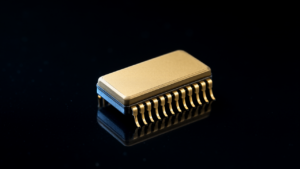
SpaceBlast is developing a palm-sized computer, the TENEDGE CORE, designed to enable AI-driven data processing in space. The system aims to utilize Small Language Models (SLMs) to filter raw megabyte-scale satellite data into kilobyte-scale metadata before transmission to Earth, significantly reducing the bandwidth required for downlinking.
Technical Details
The TENEDGE CORE provides a computational performance of approximately 60 TOPS. To ensure reliability in extreme environments, the hardware incorporates the following features:
- High thermal conductivity materials for heat dissipation.
- Error detection and repair mechanisms integrated into the memory and latch circuits to mitigate malfunctions caused by cosmic radiation.
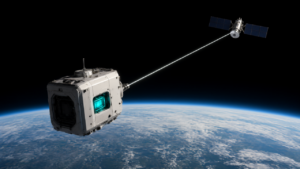
The broader TENEDGE architecture is designed to function as an edge computer on satellites. SpaceBlast is also exploring “TENEDGE SPACE AI CLOUD,” a framework where users on the ground can input data requirements into a Large Language Model (LLM), which then instructs the orbital SLM to process and extract specific data.
Background and Context
The project is part of a JAXA support fund program that SpaceBlast was selected for in February. Development officially began in April, with the project period extending through fiscal year 2031. The company showcased a mock-up of the palm-sized device at Japan IT Week Autumn 2026.
Significance and Outlook
Beyond satellite operations, SpaceBlast intends to deploy these computers in other extreme environments, such as high mountains and Antarctica. The long-term roadmap includes deploying multiple edge computers in orbit to create a functional space data center for industries such as agriculture, urban development, and construction.
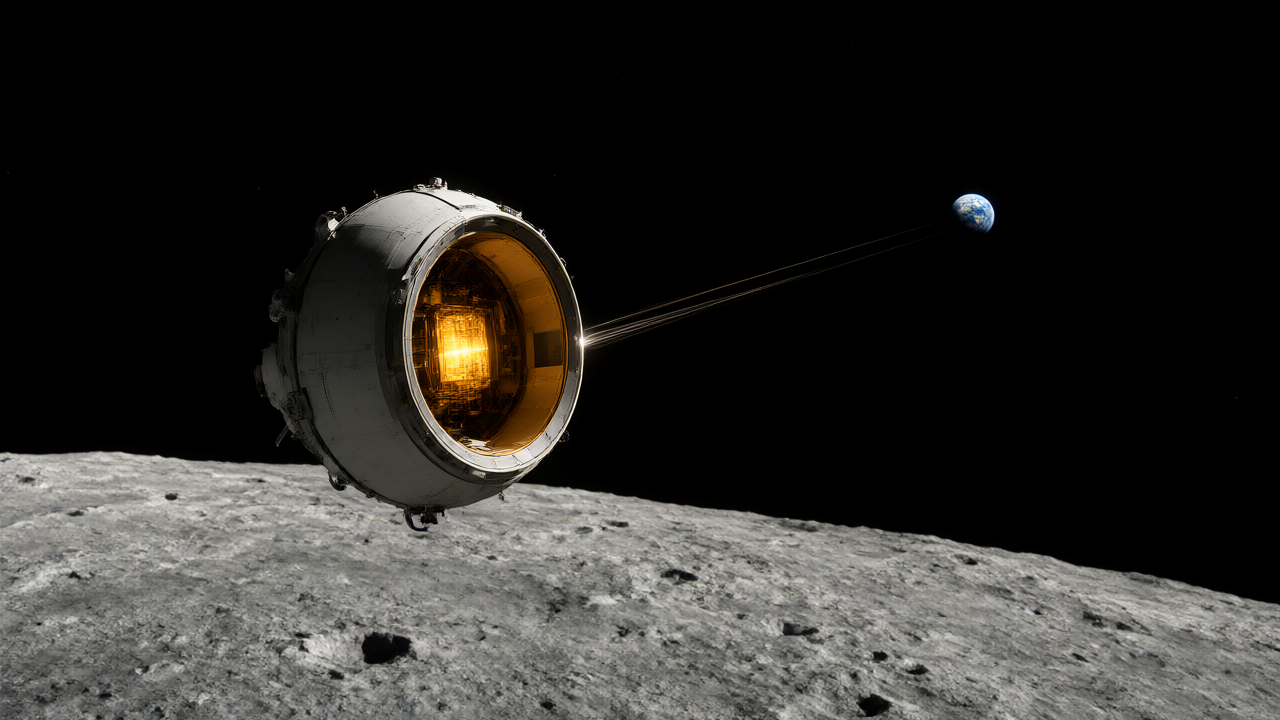
Additionally, the company envisions applying this technology to lunar data centers. By combining AI data reduction with lunar positioning systems, the technology could enable real-time monitoring of lunar rover positions and observation status. The development timeline includes at least two satellite deployments and a mission to the International Space Station before commercialization.
Source: https://www.itmedia.co.jp/news/article/2610/22/2000002510/
Get our weekly technology intelligence — free
Receive an infographic that lets you judge at a glance whether each field’s analysis report is worth reading.
Subscribe Free — Weekly Tech Intelligence
By subscribing, you’ll receive Troy-Technical’s weekly technology intelligence newsletter.
- Your email and selected fields are used only to deliver the newsletter.
- We never share your information with third parties.
- You can unsubscribe anytime via the link in each email.
See our Privacy Policy for details.
Takes about a minute · Unsubscribe anytime