Background and Technical Challenges
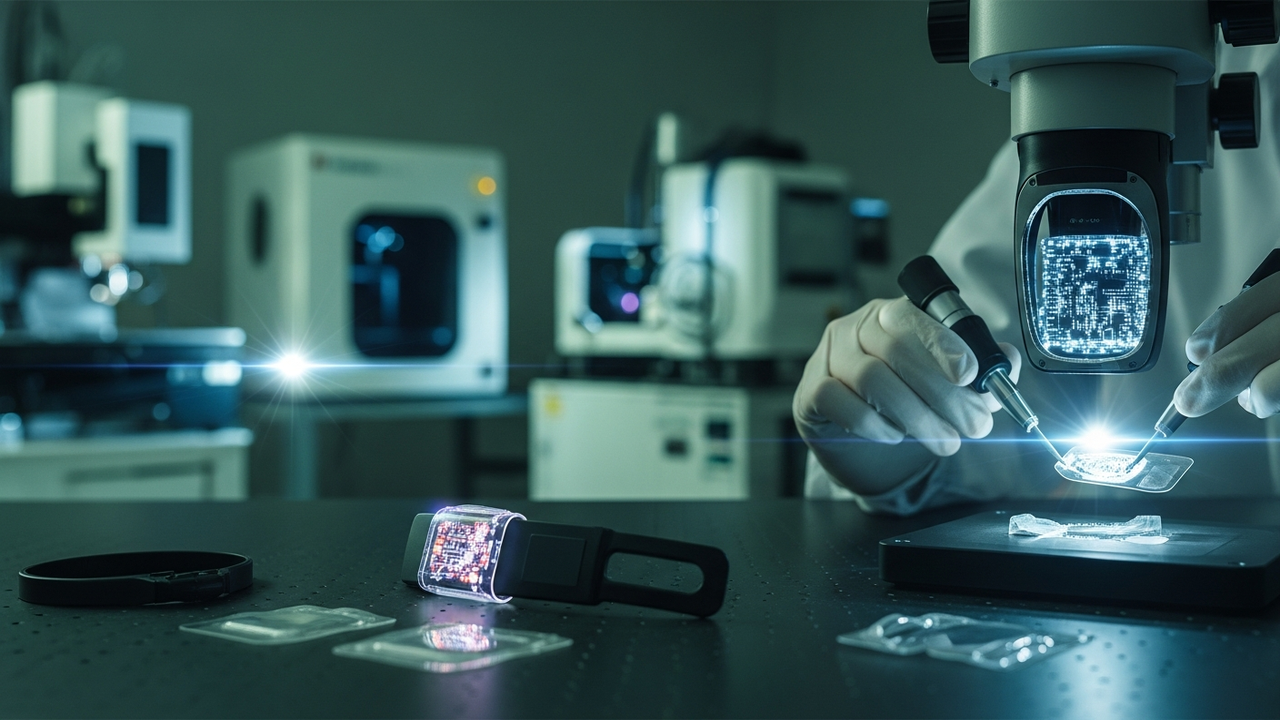
The demand for biometric monitoring via wearable devices in modern healthcare is escalating, yet current technology still faces limitations in accuracy and reliability. To accurately detect trace biomarkers and capture subtle physiological changes in real-time, sensor technology with extremely high sensitivity and stability is indispensable. The research team at Pukyong National University aimed to overcome these technical barriers.
Key Technology and Achievements
Professor Kim Jong-Hyeong’s team successfully developed an ultra-sensitive sensor technology that significantly improves detection limits and optimizes the signal-to-noise ratio (SNR) compared to existing sensors. This enables reliable detection of even minute biomarkers or subtle physiological changes indicative of early disease onset. The sensor’s ease of integration into flexible substrates makes it particularly promising for wearable devices, offering both comfortable wear and stable, long-term monitoring. The research findings are slated for publication in a globally renowned academic journal, highlighting their significant scientific impact.
Industrial Applications and Future Outlook
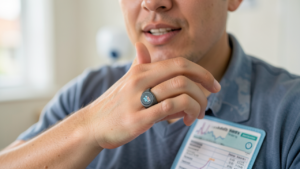
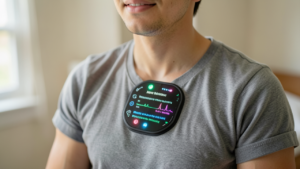
This ultra-sensitive sensor technology is expected to find diverse applications in wearable healthcare devices, precision medical monitoring, and next-generation robotic sensors. In particular, it will contribute to improving chronic disease management, early disease diagnosis, and preventive medicine by providing higher-quality data, thereby enhancing patient quality of life and reducing healthcare costs. The development stage is transitioning from applied research to prototyping, demonstrating clear industrialization potential in both medical and consumer health sectors. Future efforts will focus on further miniaturization, integration of multi-parameter detection capabilities, and clinical validation for practical implementation.
Source: https://www.pknu.ac.kr/main.do




Comments