


Key Findings
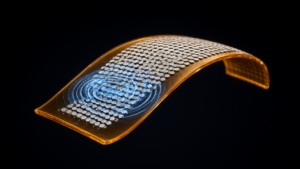
The developed electrochemical aptamer biosensor enables the label-free detection of Mycoplasma hyorhinis (MHO) and its secreted p37 protein with minimal sample processing. In tests using buffer and human T-cell co-culture medium, the biosensor demonstrated a detection limit of ~2 cells/mL and a quantification limit of ~7 cells/mL. The recorded sensitivity is 16.9 ± 0.7%∆ R ct /cells/mL.
Technical Details
The biosensor operates through the specific recognition of the p37 high-affinity transport protein, a lipoprotein associated with MHO. Unlike traditional DNA-based electrochemical strategies, this aptamer-based approach does not require cell lysis or DNA extraction. Investigation into MHO sample supernatants confirmed that the sensor responds to p37 proteins released into the extracellular medium during growth and lysis, even in the absence of whole MHO cells, although the response is consistently lower than in samples containing intact cells.
Background & Context
Mycoplasma contamination is a primary cause of insidious cell culture failure because these organisms lack a cell wall, allowing them to evade standard antibiotic treatments and alter cellular physiology. Current detection methods typically rely on DNA-based assays, which increase assay complexity and time due to the necessary steps of cell lysis and DNA extraction.
Significance & Outlook
This technology provides a foundation for a non-invasive electrochemical monitoring tool to track contamination in human T-cell cultures. By reducing the need for complex sample preparation, the biosensor supports enhanced quality control within high-value cell therapy manufacturing workflows.
Source: https://www.nature.com/articles/s44328-026-00118-6
Get our weekly technology intelligence — free
Receive an infographic that lets you judge at a glance whether each field’s analysis report is worth reading.
Subscribe Free — Weekly Tech Intelligence
By subscribing, you’ll receive Troy-Technical’s weekly technology intelligence newsletter.
- Your email and selected fields are used only to deliver the newsletter.
- We never share your information with third parties.
- You can unsubscribe anytime via the link in each email.
See our Privacy Policy for details.
Takes about a minute · Unsubscribe anytime