Key Findings
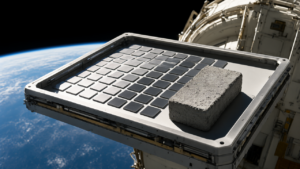
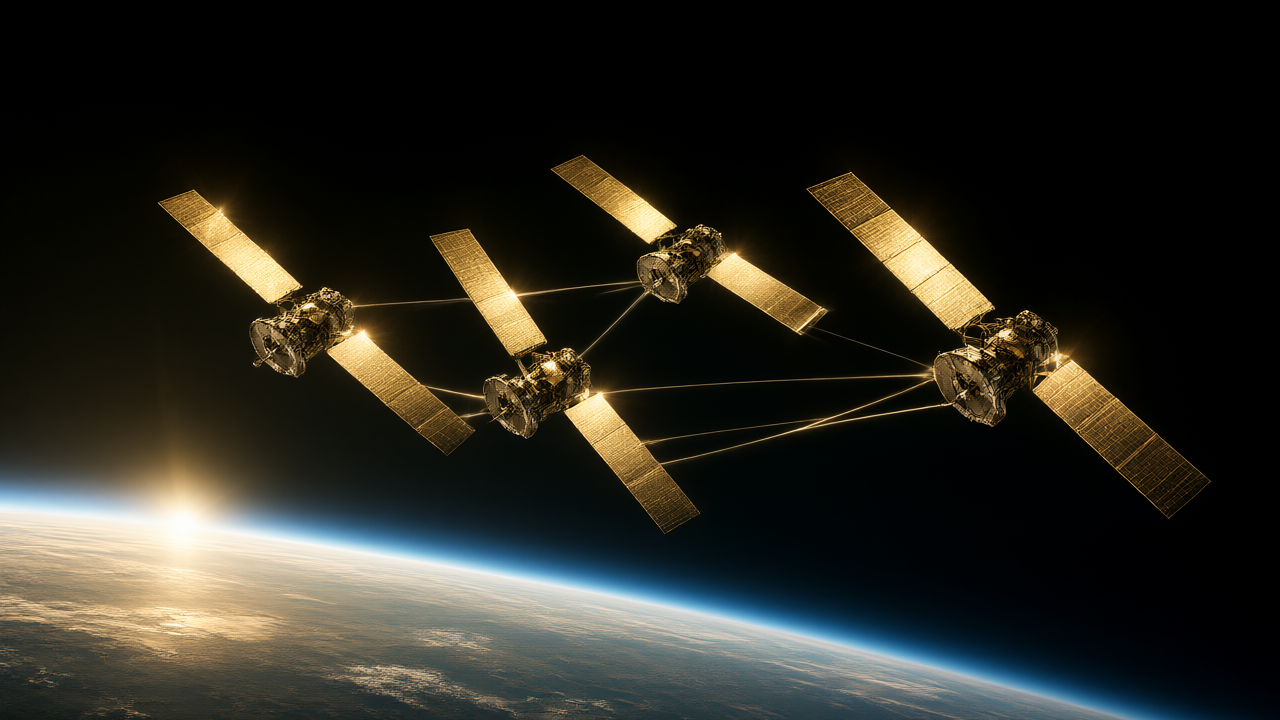
Google has achieved the first successful AI response from a Tensor Processing Unit (TPU) located in orbit. Using a prototype satellite under “Project Suncatcher,” the company transmitted a prompt from a ground station and received a completed response. This milestone, described by CEO Sundar Pichai as a “hello world” moment, confirms that data-center class TPU hardware can function and return AI-generated content from space.
Technical Details
The prototype satellite was launched on October 1 via a SpaceX Falcon 9 rocket. Following several weeks of power-on sequences for the host and TPU trays and initial machine learning tests, Google performed the following operations:
- AI Generation: The open model “Gemma 4” was prompted to write a haiku about being in space. The response was received as the satellite passed over the Svalbard islands in Norway. The English haiku described the blue Earth, flowing data, and starlight.
- Additional Testing: The team also tested prompts for a limerick and telemetry-based prompts to report the technical status of the payload system.
Background and Context
Project Suncatcher is a long-term research project announced in November 2025. The initiative explores the viability of large-scale AI processing in low Earth orbit (LEO), where satellites have nearly constant access to sunlight, potentially allowing for solar power generation up to eight times greater than on the ground. The prototype satellite was developed in collaboration with Planet Labs.
Significance and Outlook
The next phase of the project involves evaluating TPU performance under the stresses of orbital radiation and thermal fluctuations. Once the reliability of these workloads is confirmed, Google plans to move toward its next milestone in 2027, which involves the deployment of two interconnected satellites.
Source: https://www.itmedia.co.jp/news/article/2611/02/2000002779/
Get our weekly technology intelligence — free
Receive an infographic that lets you judge at a glance whether each field’s analysis report is worth reading.
Subscribe Free — Weekly Tech Intelligence
By subscribing, you’ll receive Troy-Technical’s weekly technology intelligence newsletter.
- Your email and selected fields are used only to deliver the newsletter.
- We never share your information with third parties.
- You can unsubscribe anytime via the link in each email.
See our Privacy Policy for details.
Takes about a minute · Unsubscribe anytime