Key Findings
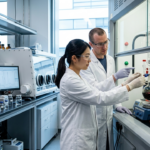
A research team led by Professor Tae-Lim Choi at ETH Zurich has patented a method to upcycle polyolefins—specifically polyethylene and polypropylene—into higher-value products. The primary demonstration of this technology is the production of high-performance adhesives from standard plastic bottles and bags. These adhesives exhibit strength levels that meet industrial requirements for high-stress and load-bearing joints used in equipment and vehicle manufacturing.
Technical Details
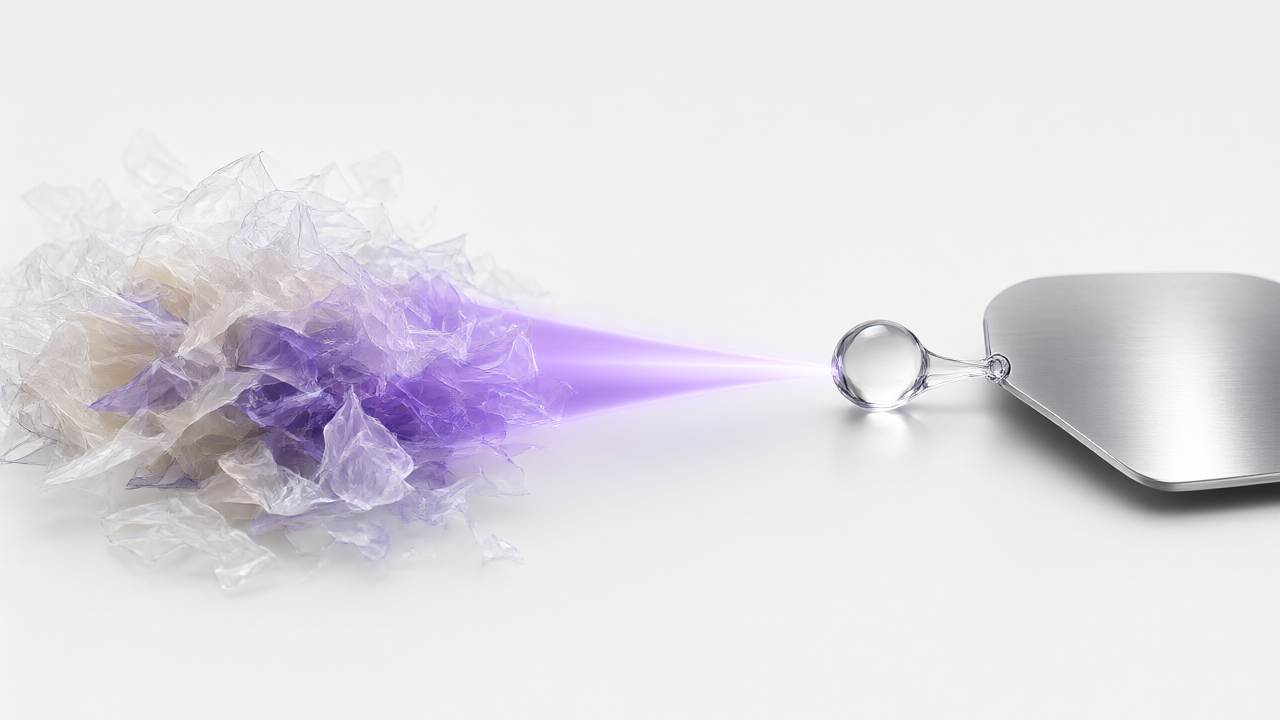
The process utilizes chlorinated solvents and short-wavelength light to initiate the upcycling. The mechanism operates as follows:
- Irradiation of chlorinated solvents generates highly reactive chlorine atoms (radicals).
- These radicals transfer reactivity to carbon atoms within the polyolefin chains, creating carbon radicals.
- These sites serve as starting points for the synthesis of additional polymer chains in a single step.
The process is precisely controllable; researchers adjust the wavelength of light and the degree of solvent chlorination to determine the number of activated grafting sites. This method avoids the need for high process temperatures, expensive catalysts, or specialty reagents.
Background and Context
Approximately 450 million tonnes of plastics are produced annually, with polyolefins accounting for roughly half of plastic consumption. Traditional recycling of these materials often results in “downcycling,” where heating and dyes reduce material quality, limiting reuse to low-grade items like paving slabs. While pyrolysis can break polyolefins down into monomers, it is an energy-intensive process. The ETH Zurich method provides an alternative by altering functionality without requiring complete breakdown to monomers.
Significance and Outlook
Beyond adhesives, the ability to graft various chemical functionalities—including acids, bases, and polar groups—allows for a wide spectrum of applications. Potential future developments include polyethylene packaging that is impermeable to oxygen and waterproof. The researchers have already established industry contacts to explore these applications in food packaging.
Get our weekly technology intelligence — free
Receive an infographic that lets you judge at a glance whether each field’s analysis report is worth reading.
Subscribe Free — Weekly Tech Intelligence
By subscribing, you’ll receive Troy-Technical’s weekly technology intelligence newsletter.
- Your email and selected fields are used only to deliver the newsletter.
- We never share your information with third parties.
- You can unsubscribe anytime via the link in each email.
See our Privacy Policy for details.
Takes about a minute · Unsubscribe anytime