


Key Findings
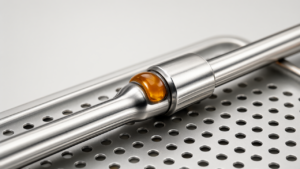
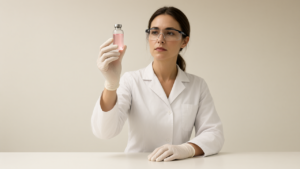
A research team led by polymer chemist Tae-Lim Choi at ETH Zurich has successfully produced a high-performance adhesive from used polyolefins, specifically polyethylene and polypropylene sourced from plastic bags, bottles, and laboratory vessels. In stress tests, 13 milligrams of this adhesive were sufficient to lift a 20 kilogram weight. The material demonstrated high adhesion to aluminum, stainless steel, copper, and wood; in some cases involving glass, the glass samples fractured before the adhesive bond failed.
Technical Details
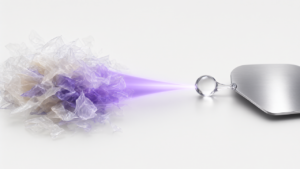
The process, developed significantly by Hongsik Kim, utilizes chlorinated aromatic solvents that form short-lived chlorine radicals under light reaction. These radicals remove hydrogen atoms from the carbon chains of the plastic, creating active centers where vinyl monomers can attach and grow into long polymer side chains. To ensure precise control, the team used 390 nanometer violet light to regulate the amount of radicals produced.
- Mechanism: The addition of polar groups to the previously non-polar, chemically inert surface of the polyolefins increases interaction with other materials.
- Performance: A variant featuring poly(N-ethylacrylamid) side chains achieved a strength of 13.4 megapascal in shear tests on aluminum, surpassing commercial hot-melt adhesives.
- Durability: The adhesive retained 88 percent of its bonding strength after exposure to a water bath.
Background and Context
Unlike traditional pyrolysis, which uses heat to break plastics down into smaller hydrocarbons for raw material reprocessing, this method preserves the existing polymer as a supporting structure. This targeted functionalization avoids the complete decomposition of the plastic chains. The researchers scaled the process from tiny samples to a double-digit gram range to prove that light could penetrate the reaction mixture due to the optical properties of the chosen solvent.
Significance and Outlook
The process is notable for requiring no metal catalysts or specialized radical starters. However, the use of chlorinated solvents remains a technical hurdle, as these must be safely managed and recovered in industrial applications. Pilot plants will be necessary to determine if the process is economically viable for high-throughput industrial use.
Get our weekly technology intelligence — free
Receive an infographic that lets you judge at a glance whether each field’s analysis report is worth reading.
Subscribe Free — Weekly Tech Intelligence
By subscribing, you’ll receive Troy-Technical’s weekly technology intelligence newsletter.
- Your email and selected fields are used only to deliver the newsletter.
- We never share your information with third parties.
- You can unsubscribe anytime via the link in each email.
See our Privacy Policy for details.
Takes about a minute · Unsubscribe anytime