
Key Findings
The research team successfully developed an anode that enables ultrafast charging without compromising cycle life. At a 10C charging rate (six minutes), the graphene-shell anode delivered 131 mAh/g and remained stable for 10,000 cycles. Even at a 100C rate, which allows a full charge in approximately half a minute, the anode provided 121 mAh/g. In contrast, bare nanosheets collapsed after only 400 cycles.
Technical Details
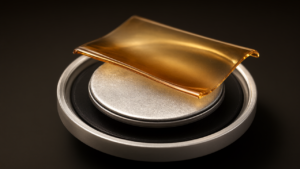
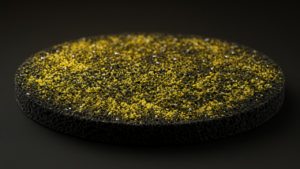
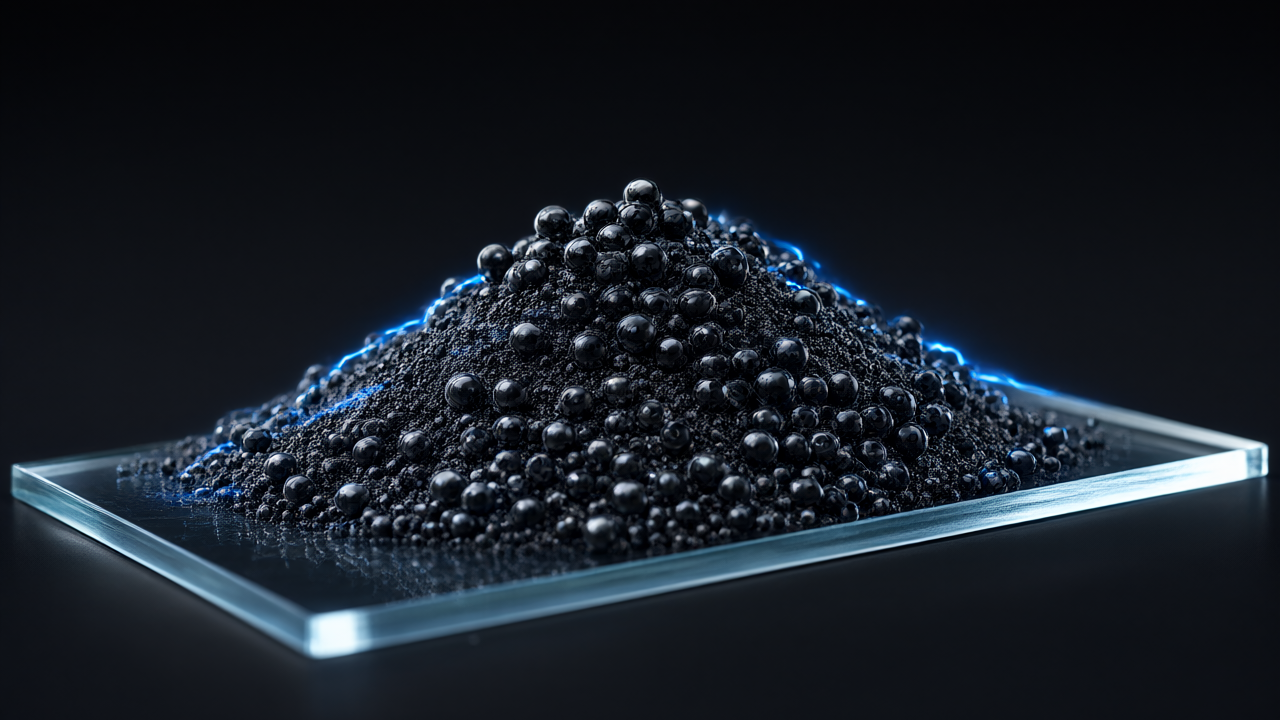
The anode consists of titanium dioxide nanosheets, approximately 10 nm across, assembled into hollow double-shelled spheres. Each sheet is coated in a graphene-like carbon shell 0.4 nm thick. This structural wrapping increased conductivity from 1.86 × 10⁻⁸ S/cm for bare materials to 3.55 × 10⁻⁴ S/cm.
The graphene shell addresses two primary failure points:
- Surface Reactivity: Bare nanosheets have a high surface area (261 m²/g vs. 76 m²/g for ordinary nanoparticles), leading to high sodium loss. The armored version improved initial efficiency from 55.6% to 80.1%.
- Structural Integrity: The shell prevents the fragile nanosheets from cracking during the swelling and shrinking caused by fast ion movement and limits direct contact with the electrolyte, forming a thinner, more inorganic sodium phosphate film.
Regarding mass loading, electrodes up to 10.5 mg/cm² delivered 2.13 mAh/cm² at slow rates and 0.567 mAh/cm² at high current. A full cell using a sodium vanadium phosphate cathode was also tested, maintaining stability over 170 cycles at 2 A/g.
Background and Significance
Sodium-ion batteries offer advantages in raw material cost, safety, and low-temperature performance, but typically face a conundrum where fast charging reduces lifespan. While commercial hard carbon fades quickly above 1 A/g, this graphene-wrapped anode maintains delivery.
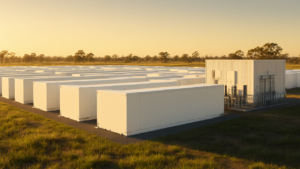
Although the anode operates at a higher average voltage than hard carbon—reducing total cell energy—the results suggest a path toward parity with LFP batteries. Such durability in fast-charging anodes would strengthen the case for companies like CATL and HiNa to deploy sodium-ion technology in vehicles and grid storage.
Get our weekly technology intelligence — free
Receive an infographic that lets you judge at a glance whether each field’s analysis report is worth reading.
Subscribe Free — Weekly Tech Intelligence
By subscribing, you’ll receive Troy-Technical’s weekly technology intelligence newsletter.
- Your email and selected fields are used only to deliver the newsletter.
- We never share your information with third parties.
- You can unsubscribe anytime via the link in each email.
See our Privacy Policy for details.
Takes about a minute · Unsubscribe anytime