Key Findings
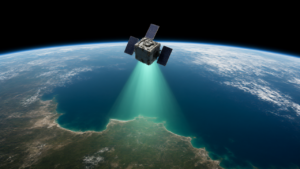
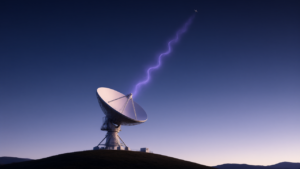
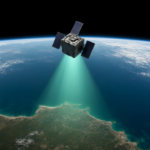
LeoSpace is developing a laser-based free-space optical communication system to eliminate data bottlenecks in LEO satellite networks. The company has secured a cumulative investment of 10 billion KRW to advance this technology, moving from initial stages to Technology Readiness Level (TRL) 5–6 through the Deep Tech TIPS project supported by the Ministry of SMEs and Startups.
Technical Details
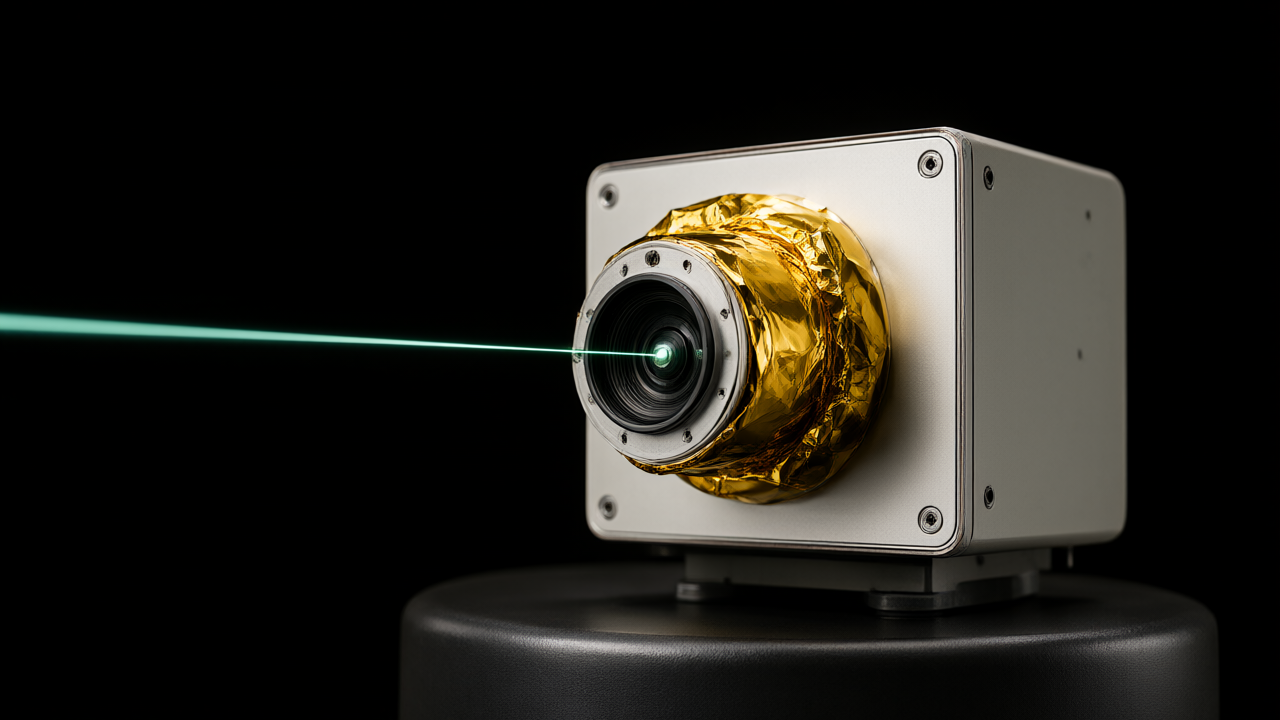
The LCT utilizes the terahertz (THz) frequency band, which offers significantly wider bandwidth than the gigahertz (GHz) bands used in traditional RF communications. Theoretically, this allows for data processing speeds 1,000 times faster than RF, with a realistic minimum increase of 100 times without latency.
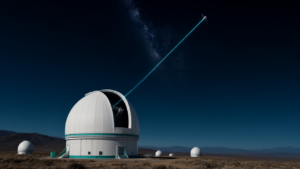
- Ground Validation: In July, the company achieved communication over a 30km section from N Seoul Tower to Suwon Hwaseong. Two months later, this distance was extended to 47km.
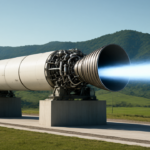
- Hardware Specs: The optical system features a diameter of 63mm, designed to meet Space, Weight, and Power (SWaP) requirements for space-grade products.
- Projected Performance: Based on the 50km ground tests conducted despite atmospheric obstacles, LeoSpace analyzes that communication distances of over 1,000km are possible in the vacuum of space.
Background & Context
CEO Lee Hyung-kwon, an expert in physical and quantum optics with experience at Cymer and Green Optics, founded LeoSpace in 2021. To complete the terminal, the company integrated optical modulation technology transferred from the Electronics and Telecommunications Research Institute (ETRI) with its existing optical and structural design capabilities.
Significance & Outlook
The company is pursuing a “Space First, Ground Later” commercialization strategy. Because space is a vacuum free from weather interference and urban obstacles, LeoSpace will first target satellite manufacturers and communication system providers. The technology will be integrated into the “JinjuSat” ultra-small ocean observation satellite scheduled for launch in 2027. Future applications include maintaining communications during ground infrastructure failures and connecting space-based data centers.
Source: https://news.jkn.co.kr/post/1097771
Get our weekly technology intelligence — free
Receive an infographic that lets you judge at a glance whether each field’s analysis report is worth reading.
Subscribe Free — Weekly Tech Intelligence
By subscribing, you’ll receive Troy-Technical’s weekly technology intelligence newsletter.
- Your email and selected fields are used only to deliver the newsletter.
- We never share your information with third parties.
- You can unsubscribe anytime via the link in each email.
See our Privacy Policy for details.
Takes about a minute · Unsubscribe anytime