
Key Findings
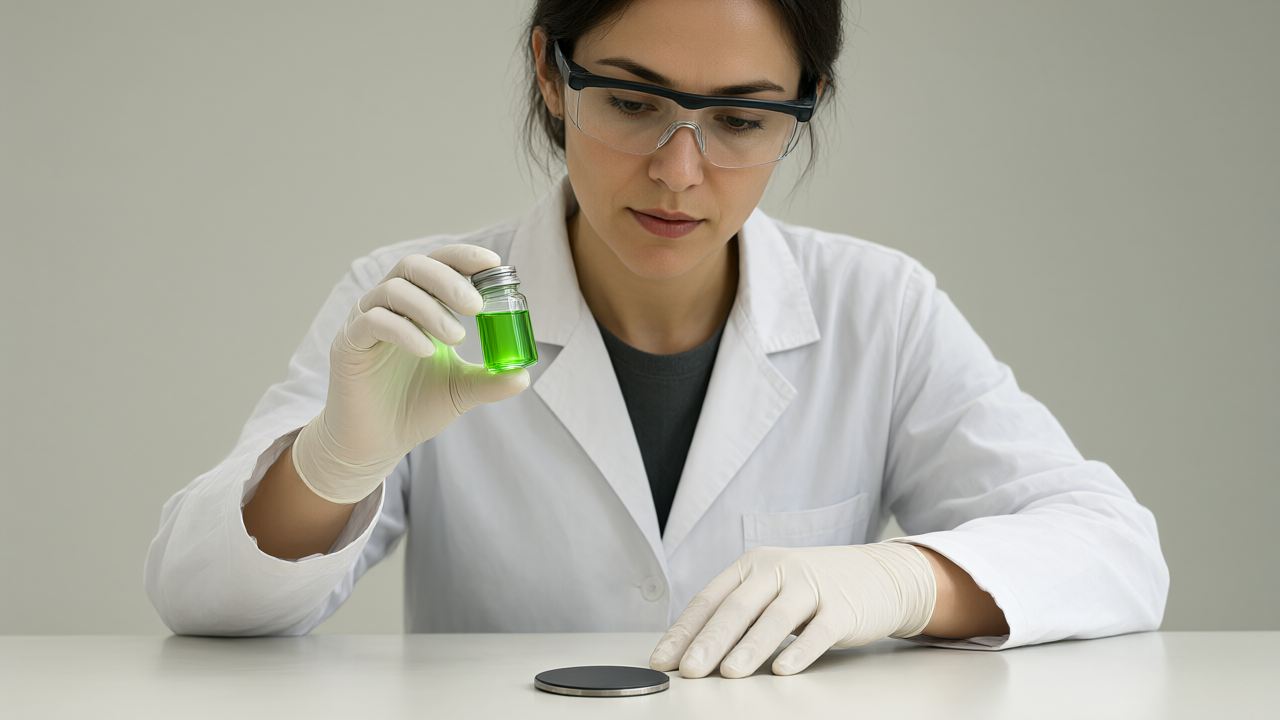
A research team at the National Institute of Advanced Industrial Science and Technology (AIST) has developed a cathode binder for lithium-ion batteries using materials derived from Euglena. In comparative tests against the industry-standard polyvinylidene fluoride (PVDF), the Euglena-derived binder demonstrated nearly identical charge-discharge cycle characteristics, with both materials maintaining a discharge capacity retention rate of 97% or higher after 100 cycles.
Technical Details
The researchers focused on paramylon, a substance derived from Euglena, as the raw material. By esterifying the hydroxyl groups of paramylon with fatty acids, they created “paramylon esters.” The team found that adjusting the type and quantity of fatty acids allowed them to modify material properties such as flexibility and thermoplasticity.
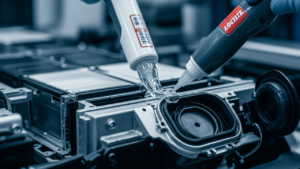
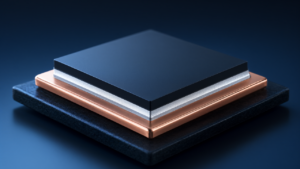
Among the various synthesized versions, “paramylon octanoate”—created by bonding octanoic acid—was identified as the optimal binder for the cathode. The production process mirrored existing PVDF workflows: a slurry consisting of the binder, cobalt acid lithium (active material), and acetylene black (conductive agent) was mixed in the organic solvent N-methyl-2-pyrrolidone (NMP), coated onto aluminum foil, and dried to form the electrode layer. These electrodes were then integrated into pouch-type evaluation batteries with graphite anodes and separators.
Background and Context
PVDF is currently the dominant binder used to fix electrode materials to metal foils in lithium-ion batteries due to its stability. While research into biomass alternatives has progressed, previous candidates often struggled with adhesive strength, electrochemical stability, or compatibility with existing manufacturing processes.
Significance and Outlook
The development proves that a biomass-derived material can match the performance of fluorine-based high-polymer materials in a standard battery configuration. AIST intends to further verify the material’s long-term durability, safety, production costs, mass-production feasibility, and overall compatibility with industrial battery manufacturing processes.
Source: https://eetimes.itmedia.co.jp/ee/articles/2611/18/news037.html
Get our weekly technology intelligence — free
Receive an infographic that lets you judge at a glance whether each field’s analysis report is worth reading.
Subscribe Free — Weekly Tech Intelligence
By subscribing, you’ll receive Troy-Technical’s weekly technology intelligence newsletter.
- Your email and selected fields are used only to deliver the newsletter.
- We never share your information with third parties.
- You can unsubscribe anytime via the link in each email.
See our Privacy Policy for details.
Takes about a minute · Unsubscribe anytime