

Key Findings
The developed self-healing polymer electrolyte enables stable lithium deposition and dissolution for over 2,000 hours in Li||Li symmetric cells. In full-cell configurations, the LiFePO₄||Li cell delivered 133 mAh g⁻¹ at 1C, retaining 75% of its initial capacity after 700 cycles. The NMC811||Li configuration achieved 135 mAh g⁻¹, maintaining 72% capacity after 250 cycles.
Technical Details
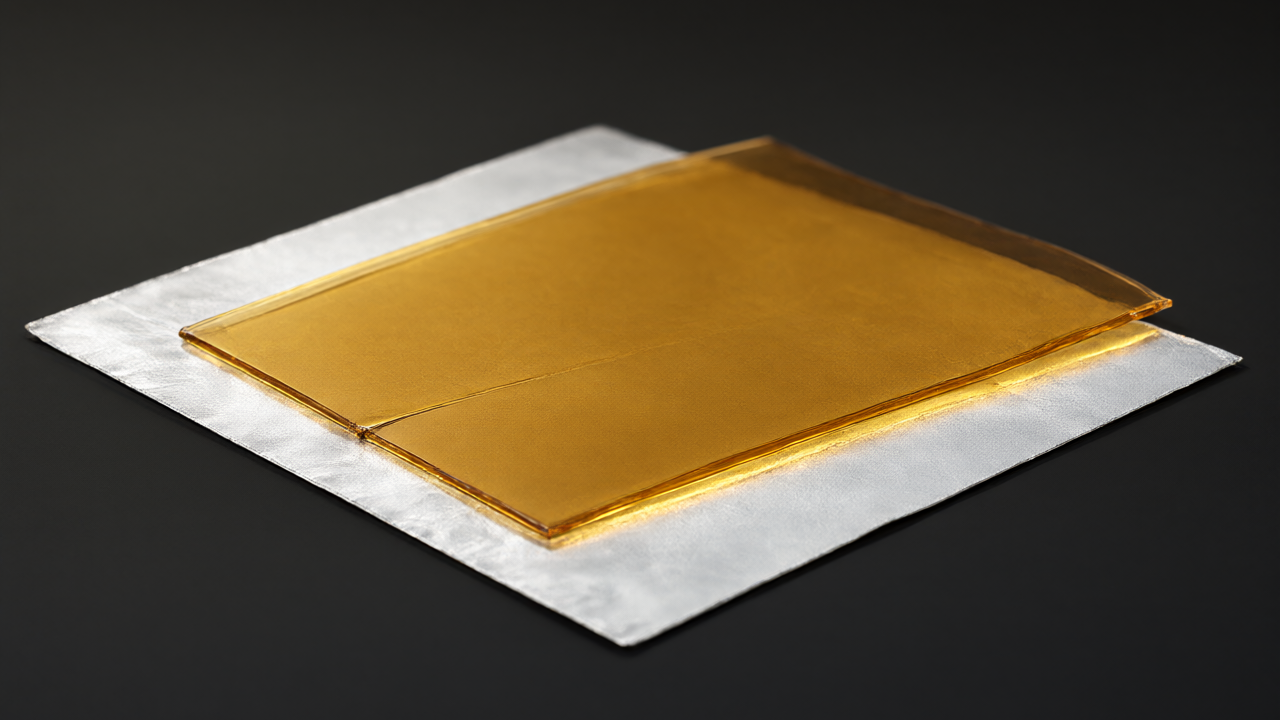
The electrolyte utilizes a dual-salt strategy to decouple Li⁺ transport. By limiting the movement of anions within the polymer network through interactions between the two salts, a higher number of Li⁺ ions participate in charge transport. The reported technical specifications include:
- Ionic conductivity: 2.23 mS cm⁻¹
- Li⁺ transport number: 0.55
- Additional properties: Flame retardancy and promotion of uniform lithium deposition to suppress dendrite formation.
Background & Context
Conventional gel polymer electrolytes often suffer from high crystallinity, which reduces ionic conductivity and the Li⁺ transport number. These materials typically exhibit high interfacial resistance and uncontrolled lithium dendrite growth, which complicates stable operation at room temperature. The research, led by Soumallya Banerjee and colleagues, was published in 2026 in Advanced Functional Materials under the title “Decoupling Li⁺ Transport in Self‐Healing Polymer Dual‐Salt Electrolytes for Room Temperature Lithium Metal Batteries”.
Significance & Outlook
Co-author Chih Wei Chu, a researcher at Academia Sinica and the National Taiwan University, describes this dual-salt approach as a promising strategy for room-temperature lithium metal batteries. By combining performance improvements with enhanced safety and a reduction in inactive lithium formation, the electrolyte addresses critical barriers to the viability of polymer-based lithium metal systems.
Source: https://elettronauti.it/articolo/un-elettrolita-autoriparante-a-doppio-sale-per-batterie-al-litio/
Get our weekly technology intelligence — free
Receive an infographic that lets you judge at a glance whether each field’s analysis report is worth reading.
Subscribe Free — Weekly Tech Intelligence
By subscribing, you’ll receive Troy-Technical’s weekly technology intelligence newsletter.
- Your email and selected fields are used only to deliver the newsletter.
- We never share your information with third parties.
- You can unsubscribe anytime via the link in each email.
See our Privacy Policy for details.
Takes about a minute · Unsubscribe anytime