Key Findings
The automotive industry’s relentless pursuit of lightweighting is accelerating the adoption of adhesive technologies, with a particular surge in importance for electric vehicle (EV) battery packs and multi-material body-in-white (BIW) assemblies. Adhesives fundamentally enable lighter designs by minimizing the need for mechanical fasteners and robustly joining dissimilar materials. This leads to significant vehicle weight reduction, improving fuel efficiency and extending EV range.
Technical / Clinical Details
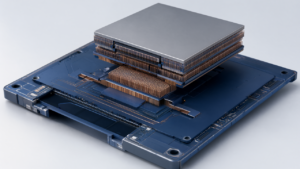
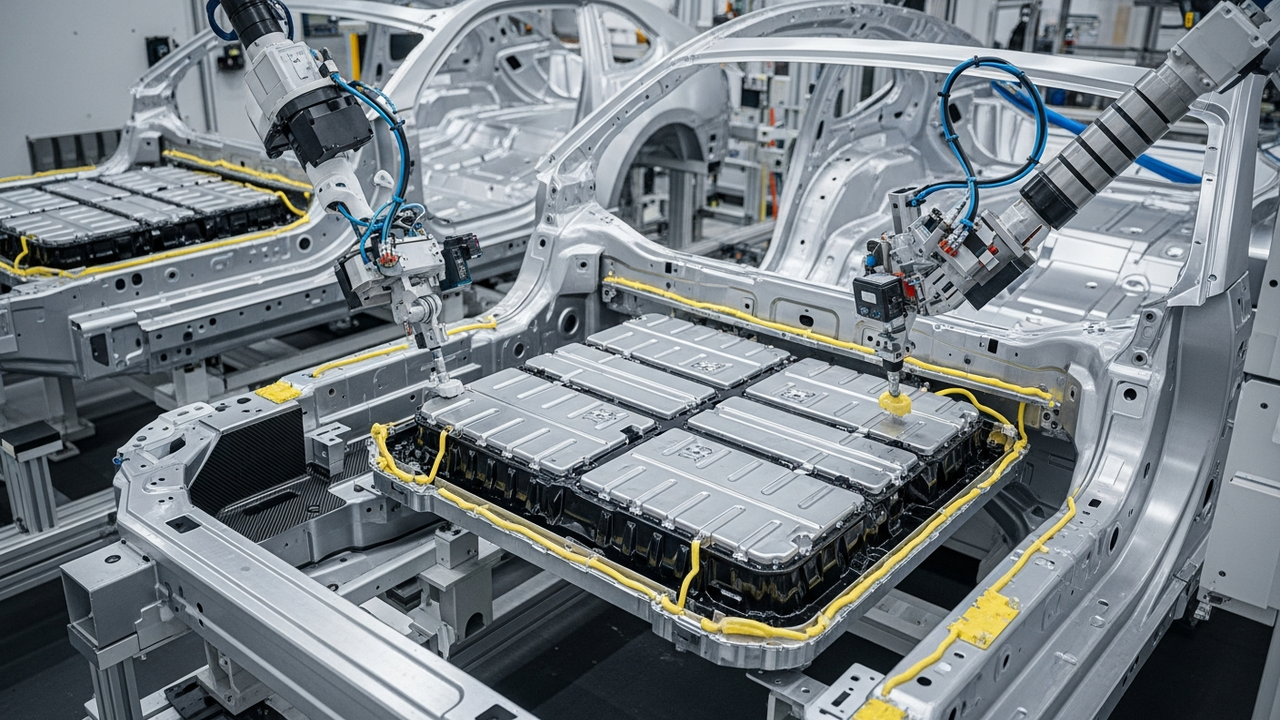
- Battery Pack Applications: In EV battery pack assembly, adhesives secure cells and modules, enhance thermal management, and contribute to structural integrity. Beyond weight reduction, they provide vibration damping, extending battery life and improving safety. Adhesives also serve as crucial sealants to contain gas and smoke during thermal runaway events, safeguarding occupants.
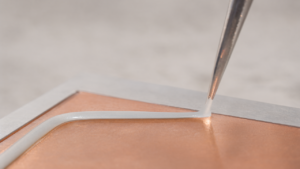
- Multi-Material BIW Assemblies: For BIW structures integrating diverse materials like steel, aluminum, and composites, adhesives offer superior joining solutions compared to welding or rivets. They mitigate stress concentrations, reduce part count, and increase overall body stiffness. This flexibility allows for innovative structural designs that were previously unfeasible.
- Performance Enhancements: Adhesive bonding distributes loads more uniformly across broader surfaces, significantly improving crash energy absorption and overall vehicle safety. The continuous bond line also seals gaps between panels, enhancing noise, vibration, and harshness (NVH) characteristics, resulting in a quieter and more comfortable driving experience.
Background & Context
Increasing global fuel economy standards and the rapid expansion of the EV market are compelling automakers to prioritize vehicle lightweighting. Traditional joining methods often face limitations in bonding dissimilar materials and accommodating complex designs. Adhesives offer a versatile and efficient solution, also amenable to automated production lines. This trend underpins greater design freedom and facilitates the integration of novel materials in automotive manufacturing.
Strategic Significance & Outlook
The market for automotive adhesives is projected for substantial growth, driven by continued EV proliferation and advancements in autonomous driving. Key development areas will include battery thermal management adhesives, structural adhesives offering higher strength-to-weight ratios, and recyclable adhesive systems. Adhesive manufacturers are expected to intensify R&D efforts to deliver products with superior strength, durability, thermal resistance, and environmental performance, thereby shaping safer, more efficient, and sustainable vehicles of the future.
Get our weekly technology intelligence — free
Receive an infographic that lets you judge at a glance whether each field’s analysis report is worth reading.
Subscribe Free — Weekly Tech Intelligence
By subscribing, you’ll receive Troy-Technical’s weekly technology intelligence newsletter.
- Your email and selected fields are used only to deliver the newsletter.
- We never share your information with third parties.
- You can unsubscribe anytime via the link in each email.
See our Privacy Policy for details.
Takes about a minute · Unsubscribe anytime