Key Findings
The cultivated meat industry is undergoing remarkable global development, with over 140 companies now active in the sector and cultivated meat products already available in three countries. This rapid growth is primarily underpinned by significant reductions in culture media costs, the expansion of large-scale bioreactor capacities, and accelerated process optimization driven by artificial intelligence (AI). These advancements are substantially enhancing the commercial viability of cultivated meat as a sustainable food source.
Technical/Clinical Details
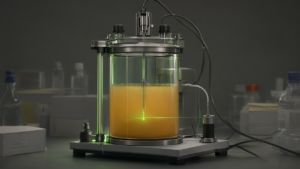
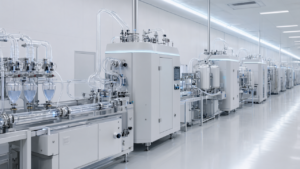
Cultivated meat production involves taking a small number of animal cells and growing them in a nutrient-rich medium within bioreactors to form tissue similar to conventional meat. Early challenges included the high cost of culture media, particularly its reliance on animal-derived serum components. However, over the past few years, R&D efforts have dramatically reduced media costs and led to a shift towards plant-based or synthetic ingredients. Bioreactor design and manufacturing technology have also advanced, enabling large-volume reactors on the scale of thousands of liters, thereby lowering scale-up barriers. Furthermore, AI algorithms are now indispensable tools for optimizing cell growth conditions, media composition, and harvesting processes, improving production efficiency and quality consistency.
Background & Context
Traditional livestock farming faces environmental challenges such as greenhouse gas emissions, land use, and water consumption, in addition to concerns about animal welfare and pandemic risks. Cultivated meat has emerged as a promising solution to these issues, drawing attention as a technology that can enable a transition to a sustainable food system. While regulatory approvals for cultivated meat products are progressing in regions like Singapore, the US, and Israel, discussions regarding labeling regulations and safety assessments are actively taking place in other regions like Europe. Governments worldwide are actively supporting the growth of this nascent industry through investments in protein innovation and biomanufacturing.
Strategic Significance & Outlook
Further reductions in media costs, innovations in bioreactor technology, and deepened AI-driven process optimization will accelerate the commercialization of cultivated meat, ultimately increasing its potential to be offered at prices competitive with conventional meat. Clearer regulatory pathways and continued government support will further fuel the industry’s growth. Cultivated meat has the potential to play a crucial role in the global food system in the coming decades, significantly contributing to global food security and environmental sustainability. This technology is expected to expand consumer choices and be key to building a more sustainable and ethical future.
Source: https://thegoodfoodinstitute.substack.com/p/imagine-a-thriving-world-fed-sustainably
Get our weekly technology intelligence — free
Receive an infographic that lets you judge at a glance whether each field’s analysis report is worth reading.
Subscribe Free — Weekly Tech Intelligence
By subscribing, you’ll receive Troy-Technical’s weekly technology intelligence newsletter.
- Your email and selected fields are used only to deliver the newsletter.
- We never share your information with third parties.
- You can unsubscribe anytime via the link in each email.
See our Privacy Policy for details.
Takes about a minute · Unsubscribe anytime