Key Findings
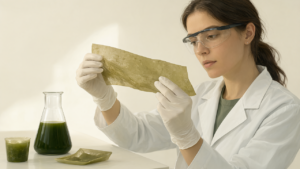
A symposium organized by the American Chemical Society (ACS) highlighted the increasing significance of natural polymers as sustainable materials for the 21st century. The event underscored innovations in extracting polymers from renewable feedstocks through both chemical and biotechnological processes, presenting them as viable and critical alternatives to petroleum-derived plastics, which are central to addressing global sustainability challenges.
Technical / Clinical Details
The symposium featured discussions on cutting-edge advancements in various natural polymers, including polysaccharides (e.g., cellulose, chitin), lignin, proteins, and polyhydroxyalkanoates (PHAs). These materials are either extracted or synthesized from renewable sources such as plant biomass, microorganisms, and algae. The technologies explored ranged from green chemical modification strategies and enzyme-catalyzed biotechnological processes to the development of bio-based polymer blends with specific functionalities. This multidisciplinary approach aims to enhance the biodegradability, biocompatibility, and performance of these materials for applications in packaging, healthcare, and agriculture, providing tailored solutions for diverse industry needs.
Background & Context
The escalating global environmental awareness and the severe problem of plastic pollution have led to a rapid surge in demand for sustainable materials. Concerns over depleting petroleum resources and the imperative to combat climate change have made the development of bio-based alternatives to petroleum-derived plastics an urgent priority. Against this backdrop, the industry-led ACS Green Chemistry Institute Natural Polymers Consortium was established to foster the sustainable development, production, and widespread application of natural polymers, aligning with global efforts towards a circular economy.
Strategic Significance & Outlook
Natural polymers, with their eco-friendly and renewable characteristics, hold immense potential as replacements for petroleum-derived materials across various industrial sectors, including packaging, automotive, medical, and electronics. The research and industry collaborations showcased at this symposium represent a crucial step towards establishing natural polymers as foundational materials for the next generation. It is anticipated that these materials will significantly contribute to the realization of a circular economy and carbon emission reduction, accelerating innovation towards a more sustainable society. The advancements in bio-engineering technologies for materials like PHAs, in particular, are expected to drive major breakthroughs in this field, solidifying natural polymers’ role in a greener future.
Source: https://eventapp.acs.org/event/gcande/planning/UGxhbm5pbmdfNDQ2NzgzMQ==
Get our weekly technology intelligence — free
Receive an infographic that lets you judge at a glance whether each field’s analysis report is worth reading.
Subscribe Free — Weekly Tech Intelligence
By subscribing, you’ll receive Troy-Technical’s weekly technology intelligence newsletter.
- Your email and selected fields are used only to deliver the newsletter.
- We never share your information with third parties.
- You can unsubscribe anytime via the link in each email.
See our Privacy Policy for details.
Takes about a minute · Unsubscribe anytime