Key Findings
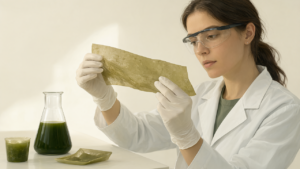
MANN+HUMMEL has successfully developed and introduced air filters featuring a PFAS-free design, delivering both certified performance and enhanced sustainability. This innovation underscores the company’s commitment to reducing environmental impact within the filtration industry by eliminating per- and polyfluoroalkyl substances (PFAS) from traditionally PFAS-impregnated materials.
Technical / Clinical Details
Historically, wet-laid glass fiber nonwovens used in air filters were impregnated with PFAS to ensure moisture resistance, chemical stability, and optimal airflow. MANN+HUMMEL’s breakthrough involves developing an alternative solution that maintains these crucial properties without the use of fluorinated compounds. Their new PFAS-free design preserves the filter’s structural integrity and efficiency even in humid environments, while simultaneously eliminating the risk of releasing harmful chemicals into the environment. This enables the filters to meet stringent industrial standards and environmental regulations. However, the company acknowledges that for ePTFE (expanded polytetrafluoroethylene) media, a viable PFAS-free alternative is not yet available, marking it as a significant area for future research and development.
Background & Context
PFAS have been widely utilized in numerous products due to their exceptional water and oil-repellent properties. However, their persistence in the environment and potential adverse health effects have led to their designation as “forever chemicals,” resulting in increasingly stringent global usage regulations. For products like air filters, developing high-performance, PFAS-free alternatives has become an urgent imperative. MANN+HUMMEL’s initiative directly responds to these global environmental directives, aiming to contribute to more sustainable supply chains and responsible manufacturing practices.
Strategic Significance & Outlook
The PFAS-free designed air filters developed by MANN+HUMMEL will play a critical role in assisting industries transitioning towards safer and more environmentally friendly materials. This enables companies to meet high-performance product requirements while significantly reducing their environmental footprint. The company plans to actively expand its PFAS-free product portfolio, maintaining technological transparency throughout this process. In the long term, this technological innovation is expected to influence other filtration applications, accelerating the decarbonization and de-PFAS-ization of the entire industry. The development of ePTFE alternatives will be the next major goal, shaping the future of sustainable filtration solutions and setting new benchmarks for environmental stewardship.
Get our weekly technology intelligence — free
Receive an infographic that lets you judge at a glance whether each field’s analysis report is worth reading.
Subscribe Free — Weekly Tech Intelligence
By subscribing, you’ll receive Troy-Technical’s weekly technology intelligence newsletter.
- Your email and selected fields are used only to deliver the newsletter.
- We never share your information with third parties.
- You can unsubscribe anytime via the link in each email.
See our Privacy Policy for details.
Takes about a minute · Unsubscribe anytime