Key Findings
According to a recent analysis by Enverus Intelligence Research, the evolution of next-generation AI chips and rack designs is demanding power densities that conventional low-voltage data center distribution systems can no longer adequately support. To address this challenge, an 800 VDC (800-volt direct current) architecture is emerging as the essential power delivery solution for future AI racks, promising a 13% reduction in electrical capital expenditure (CAPEX), a 14-point improvement in power efficiency, and up to a 60% reduction in copper mass.
Technical / Clinical Details
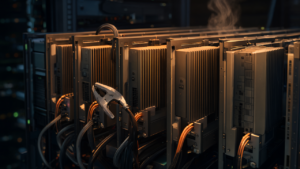
The high density of AI workloads necessitates a fundamental transformation in data center power infrastructure. AI rack power densities already exceed 100kW per rack and are trending even higher. The conventional 415 VAC (415-volt alternating current) power distribution systems, prevalent in older data centers, are struggling to efficiently and safely deliver such high-density power due to issues like increased cable thickness, higher heat losses, and significant voltage drops. In contrast, an 800 VDC system utilizes higher voltage to reduce current, enabling the transmission of more power through thinner cables. This leads to reduced power loss in cabling and a lighter cooling load within the data center. Specifically, the 800 VDC distributed architecture is estimated to reduce initial electrical CAPEX by 13% compared to 415 VAC systems, while improving operational power conversion efficiency by up to 14 points. Furthermore, the reduced current due to higher voltage can cut the required copper wire mass by up to 60%, contributing to material cost savings and a lower environmental footprint.
Background & Context
Training and inference for AI demand high-performance GPU arrays equipped with High Bandwidth Memory (HBM), and these components consume immense amounts of power. Data center operators face a triple challenge: increasing power demand, escalating operational costs, and growing environmental concerns. Traditional power infrastructures are becoming inadequate to meet the demands of the AI era, necessitating more efficient and scalable power delivery solutions. While 800 VDC has seen some adoption in the telecommunications industry, the advent of AI data centers has re-highlighted its advantages, propelling it towards becoming a mainstream technology.
Strategic Significance & Outlook
The adoption of an 800 VDC architecture will significantly impact the design and economics of AI data centers. Data center operators are expected to accelerate their transition to this new power delivery method to optimize both initial investment and operational costs. This will enhance the scalability of AI infrastructure, enabling the deployment of larger and more powerful AI systems. Moreover, 800 VDC, when combined with more efficient cooling systems (such as liquid cooling), will improve the overall Power Usage Effectiveness (PUE) of data centers, contributing to sustainability goals. This technological shift has the potential to redefine data center industry standards over the next few years as a foundational technology supporting the growth of the AI industry.
Source: https://www.enverus.com/newsroom/800-vdc-rewrites-ai-data-center-power-economics/
Get our weekly technology intelligence — free
Receive an infographic that lets you judge at a glance whether each field’s analysis report is worth reading.
Subscribe Free — Weekly Tech Intelligence
By subscribing, you’ll receive Troy-Technical’s weekly technology intelligence newsletter.
- Your email and selected fields are used only to deliver the newsletter.
- We never share your information with third parties.
- You can unsubscribe anytime via the link in each email.
See our Privacy Policy for details.
Takes about a minute · Unsubscribe anytime