Key Findings
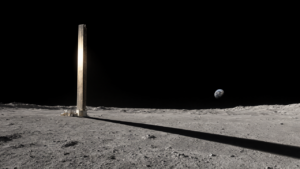
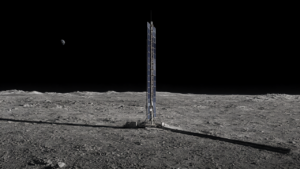
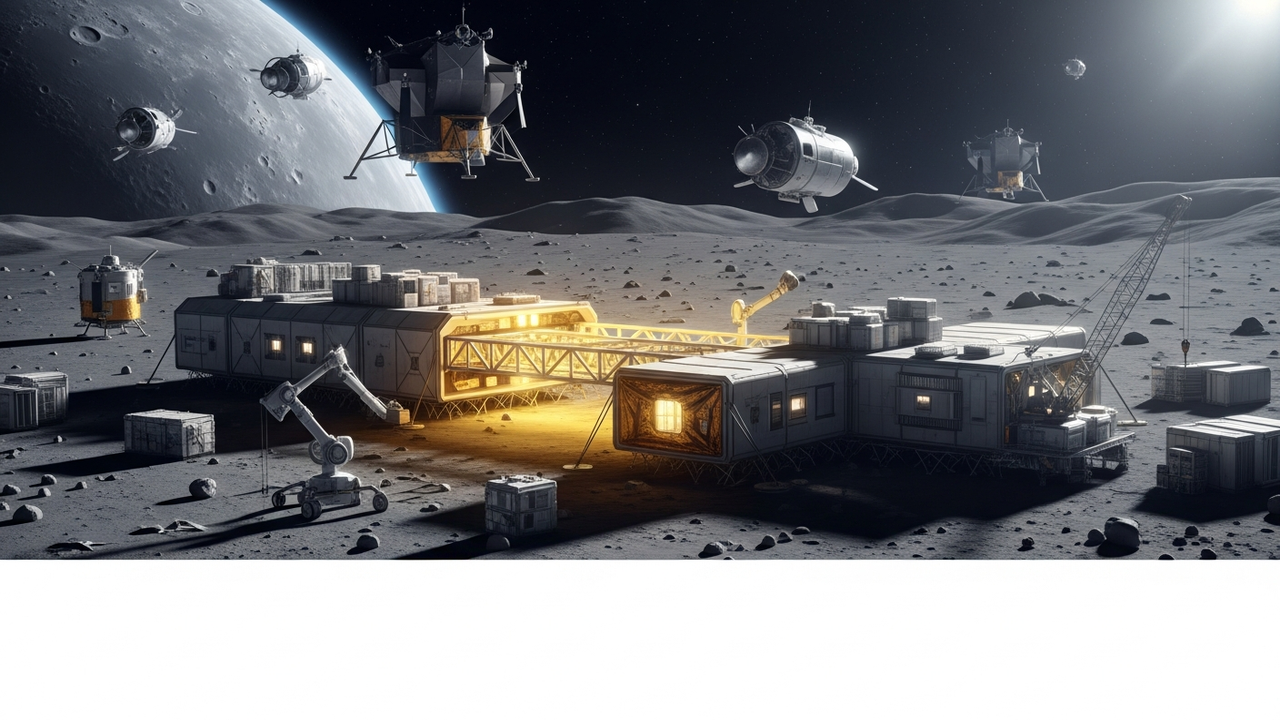
NASA’s Artemis program is setting an ambitious course to construct a human lunar base by 2032, with a detailed roadmap of missions planned to achieve this objective. Key milestones include the launch of Artemis III in 2027 and Artemis IV in 2028, which are designed to establish sustained human presence on the Moon. This initiative aims to create the first human-rated lunar outpost, serving as a vital foundation for future deep space exploration.
Technical and Clinical Details
The Artemis program employs a phased approach, beginning with initial uncrewed missions to conduct essential technology demonstrations and environmental surveys. This encompasses precise mapping of potential lunar base sites and validating logistical capabilities for cargo transport. To support long-duration human habitation, autonomous robotic operations and simulation missions will be performed to equip astronauts with the necessary skills for living and working on the Moon. Resource prospecting, including water ice and Helium-3, is also a crucial component. Furthermore, development of lunar fission power systems is underway, aimed at providing stable, long-term energy for the outpost.
Background and Industry Context
The Artemis program extends beyond merely repeating lunar landings; its overarching goal is to construct infrastructure on the Moon to serve as a stepping stone for future Mars missions. This initiative is pivotal in re-establishing U.S. leadership in space exploration, driven by extensive public-private partnerships and international cooperation. Private sector entities like Boeing, Lockheed Martin, and SpaceX are playing significant roles, complemented by contributions from international space agencies. The strategic importance of Artemis has been heightened by announcements from China and Russia regarding their plans for a nuclear-powered lunar base by 2036, intensifying the global space race.
Strategic Significance and Outlook
The Artemis program is poised to facilitate a sustainable human presence on the Moon, unlocking new avenues for scientific discovery and economic opportunities. The construction of a lunar base represents a critical step for fundamental scientific research, resource extraction, and ultimately, the long-term goal of human settlement on Mars. While technical challenges persist, the reinforced collaboration between space agencies and commercial partners is expected to overcome these hurdles, driving growth across the entire space industry. Lunar-based deep space exploration holds the potential to profoundly reshape the future of humanity.
Source: https://share.america.gov/what-lies-ahead-for-artemis-and-moon/
Get our weekly technology intelligence — free
Receive an infographic that lets you judge at a glance whether each field’s analysis report is worth reading.
Subscribe Free — Weekly Tech Intelligence
By subscribing, you’ll receive Troy-Technical’s weekly technology intelligence newsletter.
- Your email and selected fields are used only to deliver the newsletter.
- We never share your information with third parties.
- You can unsubscribe anytime via the link in each email.
See our Privacy Policy for details.
Takes about a minute · Unsubscribe anytime