Background
With the explosive growth in data generation, the demand for Earth observation satellites and AI computing is surging. However, traditional RF communication, with its limited bandwidth, has been a bottleneck for high-speed processing and transmission of vast amounts of space data. Optical communication, offering significantly broader bandwidth and higher security compared to RF, is gaining global attention as the next-generation space communication infrastructure. Space agencies and private companies worldwide are actively investing in its commercialization.
Key Findings
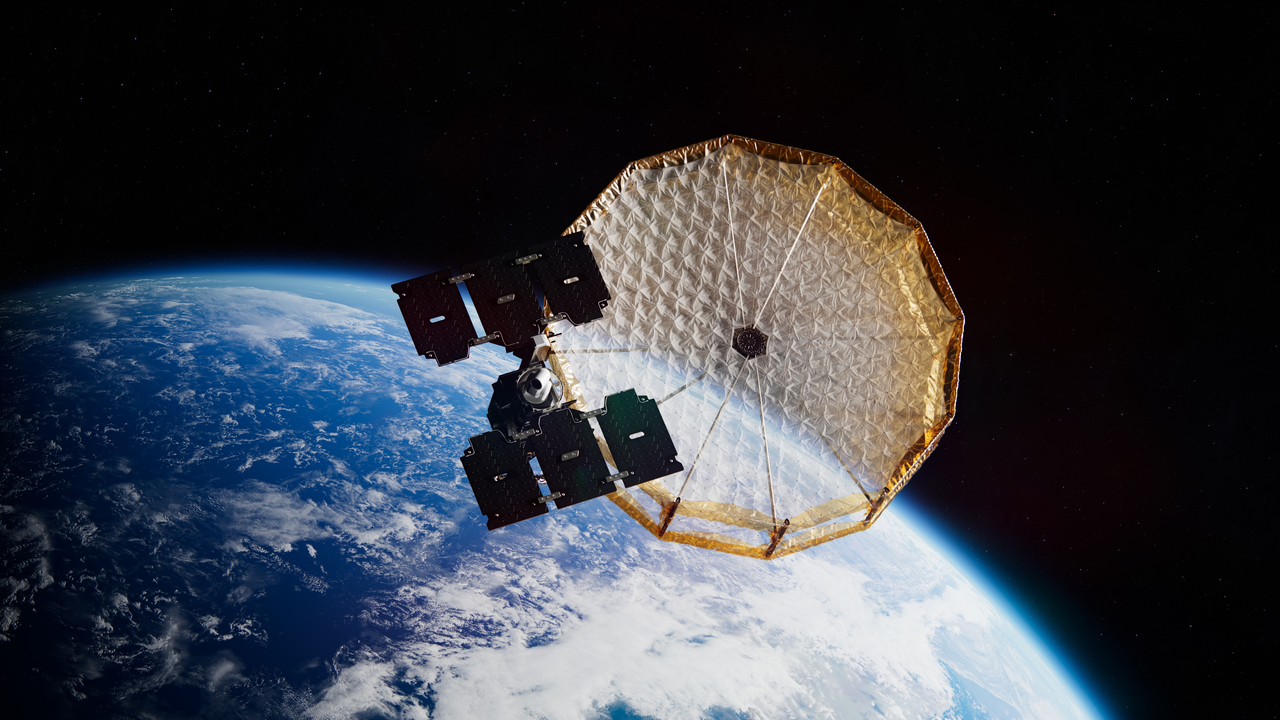
Optical communication technologies in space are bringing breakthroughs that dramatically reduce data transmission latency—a major challenge for Synthetic Aperture Radar (SAR) satellites—and are accelerating the realization of space-based AI data centers. The Optical Communications Terminal (OCT) on Capella Space’s Acadia-10 satellite demonstrated the potential to shorten the time from SAR data acquisition to delivery to the ground to minutes or even less, by utilizing free-space laser links instead of radio frequency signals. Concurrently, the standardization of inter-satellite optical links (ISL) in Low Earth Orbit (LEO) satellite constellations is progressing, with companies like SpaceX and Amazon driving the construction of space-based optical communication backbone networks, enabling high-bandwidth and secure data transfer.
Technical Details
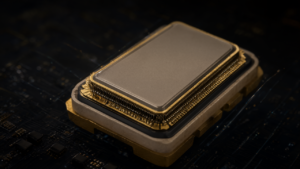
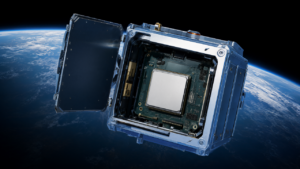
- Improved SAR Data Transmission: The OCT aboard Capella Space’s Acadia-10 satellite transfers the immense volume of high-resolution data acquired by SAR satellites to relay nodes in space almost in real-time via optical inter-satellite links. This significantly overcomes bandwidth limitations and latency issues encountered with traditional RF communication, drastically reducing the time from tasking to delivery. This high-speed data transfer enables highly time-sensitive information delivery for disaster response, defense, and environmental monitoring.
- Evolution of Intersatellite Optical Links (ISL): The vacuum of space provides a more advantageous transmission environment than Earth, allowing light to be transmitted directly without cables. Leveraging this property, as LEO satellite constellations grow, the standardization of ISL—connecting satellites directly via optical links—is advancing. Mega-constellations like SpaceX’s Starlink and Amazon’s Kuiper are building space-based optical communication backbone networks centered on ISL, not only providing global high-speed internet access but also enhancing data processing capabilities in space.
- Application to AI Data Centers: On-orbit computing is essential for low-latency applications and defense systems where terrestrial infrastructure is vulnerable. High-bandwidth ISL technology is critical for meeting the networking requirements of large-scale ML (Machine Learning) clusters in space-based AI data centers, potentially enabling high scalability while minimizing impact on Earth’s resources.
- Dual-Use Potential: Companies like Transcelestial and Mynaric are focusing on optical inter-satellite communication using laser links, advancing secure, high-speed data transfer in orbit. While these laser systems are not inherently designed for weaponization, the broader trend of laser technology operating in space also suggests potential dual-use capabilities in defense and counter-space strategies.
Strategic Significance & Outlook
Advances in optical communication technology in space will not only streamline SAR data transmission but also accelerate the realization of space-based AI data centers, dramatically enhancing global connectivity and information processing capabilities. This could enable an expansion of services to remote areas, improved resilience, and entirely new competitive advantages in conjunction with terrestrial edge computing. Furthermore, this technology holds significant implications for the defense sector, potentially redefining the space security environment, and its future developments warrant close attention.
Get our weekly technology intelligence — free
Receive an infographic that lets you judge at a glance whether each field’s analysis report is worth reading.
Subscribe Free — Weekly Tech Intelligence
By subscribing, you’ll receive Troy-Technical’s weekly technology intelligence newsletter.
- Your email and selected fields are used only to deliver the newsletter.
- We never share your information with third parties.
- You can unsubscribe anytime via the link in each email.
See our Privacy Policy for details.
Takes about a minute · Unsubscribe anytime