Key Findings
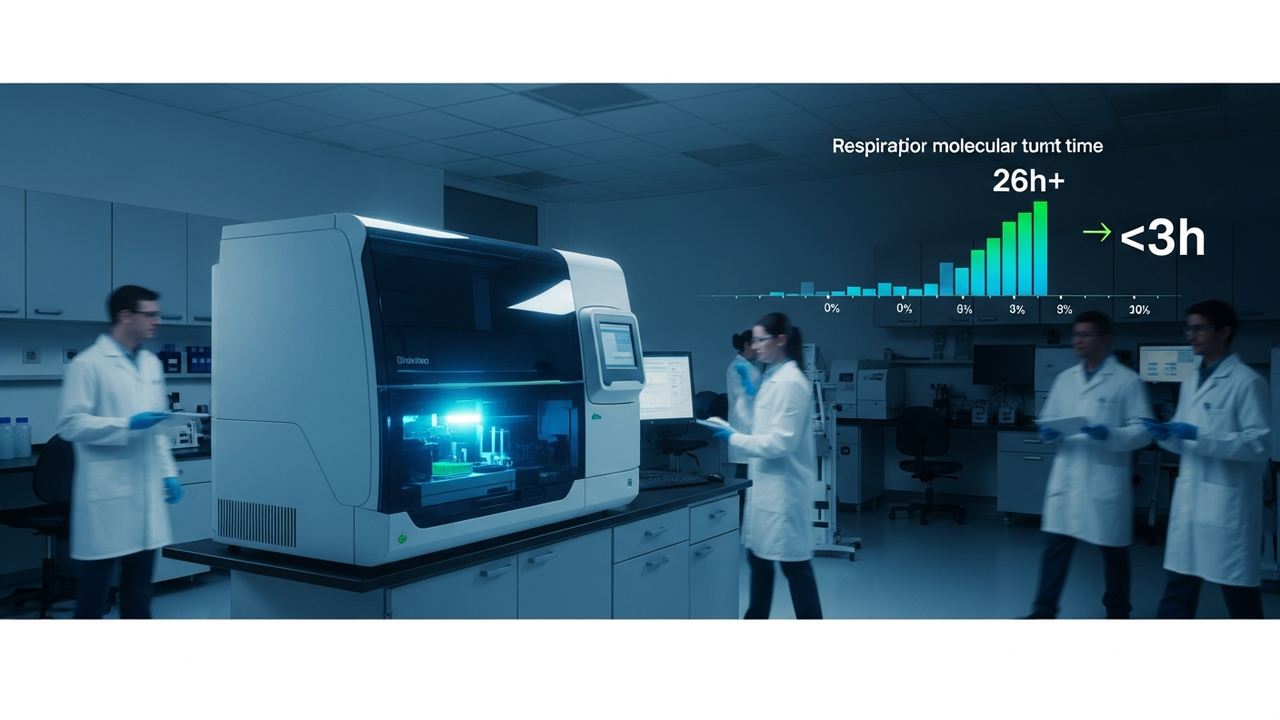
According to a report by QuidelOrtho, ultra-rapid molecular diagnostics are fundamentally transforming clinical laboratory operations, with Point-of-Care (POC) molecular testing exerting a profound clinical impact, particularly in urgent and emergency care settings. The implementation of rapid molecular tests for respiratory virus infections has dramatically reduced the turnaround time (TAT) for test results from over 26 hours to less than 3 hours. This accelerated TAT has been demonstrated to lead to decreased hospital admissions, quicker diagnoses and decision-making within a single patient visit, and more timely therapeutic interventions. Furthermore, novel POC molecular testing modalities eliminate several conventional workflow steps, resolving delays historically caused by batch processing in central laboratories, thereby significantly enhancing the overall efficiency of the diagnostic process.
Technical / Clinical Details
Ultra-rapid molecular diagnostic systems integrate nucleic acid amplification technologies, such as real-time PCR or LAMP (Loop-mediated Isothermal Amplification), into compact, automated devices. These devices allow for direct loading of specimens (e.g., nasopharyngeal swabs) and enable highly sensitive and specific pathogen detection within minutes to tens of minutes. For instance, simultaneous detection of respiratory syncytial virus (RSV), influenza viruses, and COVID-19 virus can be performed while the patient is still in the consultation room. Clinically, this reduction in TAT directly facilitates prompt implementation of appropriate isolation measures, early administration of antibiotics or antivirals, and avoidance of unnecessary tests or hospitalizations. One study reported that the introduction of respiratory virus POC testing led to a reduction of over 10% in unnecessary hospital admissions for pediatric patients. Eliminating the need for specimen transport to central laboratories also reduces the risks of specimen misidentification or degradation.
Background & Context
Clinical laboratories are constantly challenged to balance efficiency with accuracy, but in urgent situations, speed is paramount to patient outcomes. While traditional molecular diagnostics are highly accurate, they often require complex equipment, specialized technicians, and lengthy processing times, thus limiting their utility in emergency settings. The emergence of ultra-rapid molecular diagnostics bridges this gap, significantly improving speed and accessibility while maintaining diagnostic quality. This technology has proven its value in responding to infectious disease pandemics, becoming an indispensable component for protecting public health and strengthening the resilience of healthcare systems. Its significance is immeasurable in severe infectious diseases where the time from diagnosis directly impacts treatment success.
Strategic Significance & Outlook
Ultra-rapid molecular diagnostic technology is poised for further evolution and broadening application. In the future, POC diagnosis is expected to extend beyond respiratory viruses to a wider range of infectious diseases, including sepsis, urinary tract infections, and antibiotic-resistant bacteria. Integration with Artificial Intelligence (AI) may lead to the development of smart diagnostic systems that analyze complex test data to predict not only pathogen identification but also their pathogenicity and antimicrobial resistance profiles in real-time. Furthermore, the proliferation of smaller, more portable devices to clinics, pharmacies, and even patients’ homes will advance the ‘ubiquitization’ of diagnostics, significantly contributing to the realization of preventive and personalized medicine. This technology is expected to be a powerful driver in reshaping healthcare delivery and accelerating patient-centered care.
Get our weekly technology intelligence — free
Receive an infographic that lets you judge at a glance whether each field’s analysis report is worth reading.
Subscribe Free — Weekly Tech Intelligence
By subscribing, you’ll receive Troy-Technical’s weekly technology intelligence newsletter.
- Your email and selected fields are used only to deliver the newsletter.
- We never share your information with third parties.
- You can unsubscribe anytime via the link in each email.
See our Privacy Policy for details.
Takes about a minute · Unsubscribe anytime








Comments