Key Findings
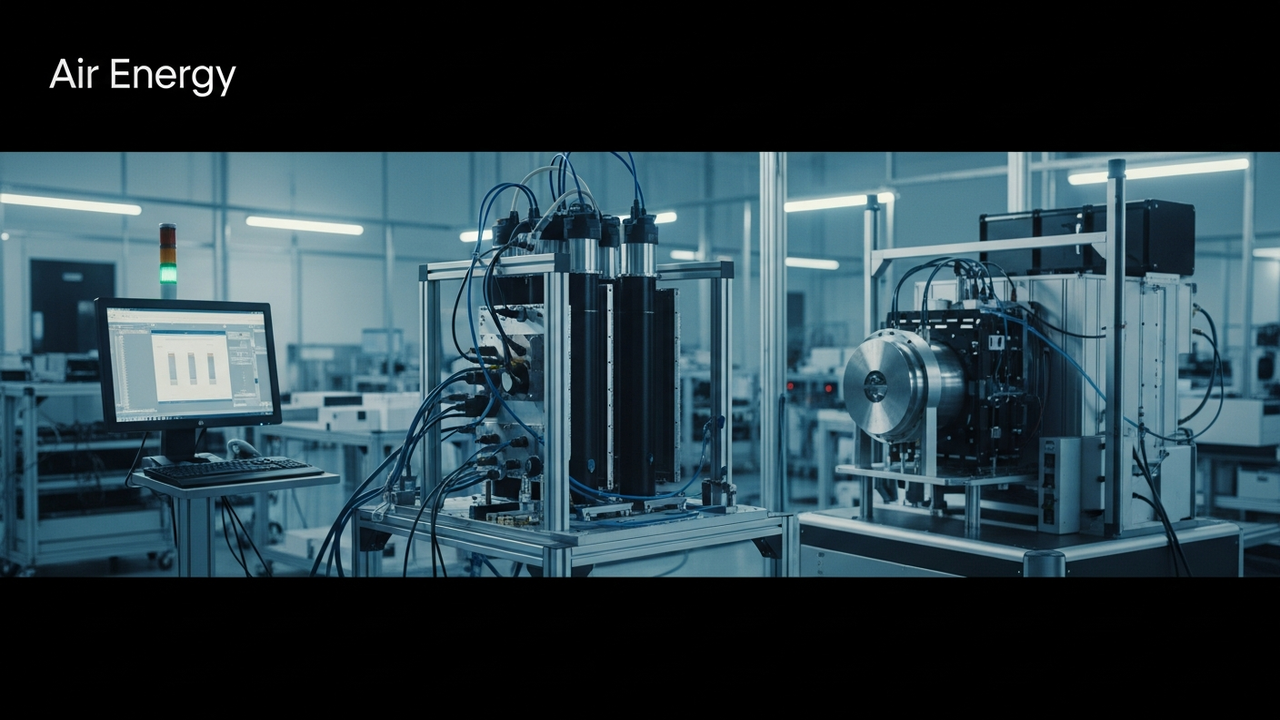
Air Energy, an innovative US-based battery startup, has transitioned to the pilot production phase for its all-solid-state lithium-air batteries, which boast an impressive energy density of 2000Wh/kg. This ultra-high energy density battery technology is specifically targeting the large electric aircraft market, holding the potential to fundamentally transform the performance and sustainability of the aviation sector.
Technical Details
Lithium-air batteries are known for offering theoretically among the highest energy densities, but their practical application has been hampered by challenges in stability, cycle life, and manufacturing. Air Energy aims to circumvent these issues by developing an all-solid-state configuration, which resolves safety concerns associated with conventional liquid electrolytes while maximizing the inherent energy density potential of lithium-air chemistry. The 2000Wh/kg energy density is approximately five times that of current state-of-the-art lithium-ion batteries, enabling a dramatic increase in the range and payload capacity of electric aircraft. The company, backed by strong support from the U.S. Department of Energy (DOE), has completed its seed funding round and is now focused on optimizing its manufacturing processes and accelerating pilot production, a critical step in scaling from lab-scale to commercial production.
Background & Context
The aviation industry is seeking to electrify in response to climate change, with the primary barriers being battery energy density and weight. Existing lithium-ion batteries cannot provide sufficient energy density for long-range flights of large aircraft. Next-generation technologies, such as lithium-air batteries, are considered the only viable path to overcome this challenge. Air Energy’s progress could significantly open up markets for electric aircraft, particularly eVTOL (electric vertical takeoff and landing) vehicles and regional jets, thereby becoming a crucial factor in accelerating the decarbonization of the aerospace sector.
Strategic Significance & Outlook
Should Air Energy successfully execute its pilot production and scale up its technology, it would establish itself as a key battery supplier in the electric aviation market. The DOE’s support aligns with the broader US strategic goal of strengthening its domestic battery supply chain. The future focus will be on leveraging data from pilot production to establish product reliability, cost-effectiveness, and ultimately, commercial-scale manufacturing feasibility. If this technology becomes commercially viable, it is expected to have ripple effects not only in aerospace but also in other applications requiring high energy density, such such as long-range drones and high-performance robotics.
Source: https://en.wedoany.com/shortnews/345869.html
Get our weekly technology intelligence — free
Receive an infographic that lets you judge at a glance whether each field’s analysis report is worth reading.
Subscribe Free — Weekly Tech Intelligence
By subscribing, you’ll receive Troy-Technical’s weekly technology intelligence newsletter.
- Your email and selected fields are used only to deliver the newsletter.
- We never share your information with third parties.
- You can unsubscribe anytime via the link in each email.
See our Privacy Policy for details.
Takes about a minute · Unsubscribe anytime