Targeted Protein Degradation: Redefining the Druggable Genome
The field of targeted protein degradation (TPD) is experiencing an exponential progression, rapidly establishing itself as a transformative therapeutic modality capable of degrading numerous disease-related proteins previously considered “undruggable.” This evolution is primarily driven by significant advancements in two key approaches: Proteolysis-Targeting Chimeras (PROTACs) and molecular glue degraders.
Mechanisms and Milestone Approvals of PROTACs and Molecular Glues
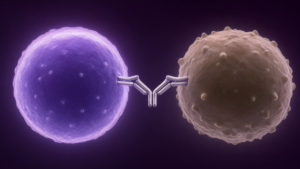
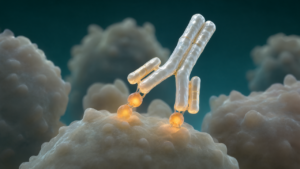
PROTACs leverage the cell’s natural ubiquitin-proteasome system (UPS) to selectively induce the degradation of target proteins. These bifunctional molecules bridge a disease-causing protein to an E3 ubiquitin ligase, leading to the target’s ubiquitination and subsequent destruction. This mechanism goes beyond mere inhibition; it removes the protein from the cell, promising more potent and durable therapeutic effects.
A pivotal event in this domain was the successful FDA approval of vepdegastrant (Arvinas/Pfizer), the first PROTAC drug to reach the market. This achievement robustly validates TPD as an effective clinical strategy and is crucial for establishing regulatory pathways for future degraders. In parallel, molecular glue degraders, inherently smaller than PROTACs, offer distinct advantages. Their compact size may translate to superior oral bioavailability and enhanced tissue penetration, broadening their therapeutic applicability across various diseases and targets. This has positioned molecular glues as a highly promising next generation of TPD agents.
Background and Impact on Drug Discovery
Historically, drug discovery has focused predominantly on inhibitors that bind to and block the active sites of proteins. However, over 80% of human proteins lack such well-defined binding pockets, rendering them “undruggable” by conventional methods. TPD technology circumvents this limitation by inducing degradation rather than inhibition, thereby opening up vast new frontiers for drug discovery.
Both PROTACs and molecular glues function through a catalytic mechanism, meaning a single drug molecule can orchestrate the degradation of multiple target protein molecules. This catalytic efficiency holds potential for high efficacy at lower doses, reduced off-target effects, and a diminished likelihood of resistance development, representing significant advantages over traditional small-molecule inhibitors.
Future Outlook
The rapid advancements in both PROTAC and molecular glue approaches are set to accelerate the development of innovative treatments across a wide range of diseases, including cancers, neurodegenerative disorders, and autoimmune conditions. The initial PROTAC approval is expected to further catalyze investment and research in this field, paving the way for a new class of drugs with novel mechanisms of action to enter clinical practice. Particularly, the miniaturization and favorable pharmacokinetic profiles of molecular glues are anticipated to address some of the current challenges associated with PROTACs, further expanding the possibilities for oral therapeutics in diverse diseases and holding immense potential to transform the future of drug development.
Source: https://www.marinbio.com/exponential-progression-of-targeted-protein-degradation-drug-discovery/
Get our weekly technology intelligence — free
Receive an infographic that lets you judge at a glance whether each field’s analysis report is worth reading.
Subscribe Free — Weekly Tech Intelligence
By subscribing, you’ll receive Troy-Technical’s weekly technology intelligence newsletter.
- Your email and selected fields are used only to deliver the newsletter.
- We never share your information with third parties.
- You can unsubscribe anytime via the link in each email.
See our Privacy Policy for details.
Takes about a minute · Unsubscribe anytime