Key Findings
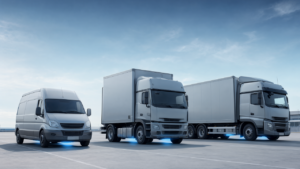
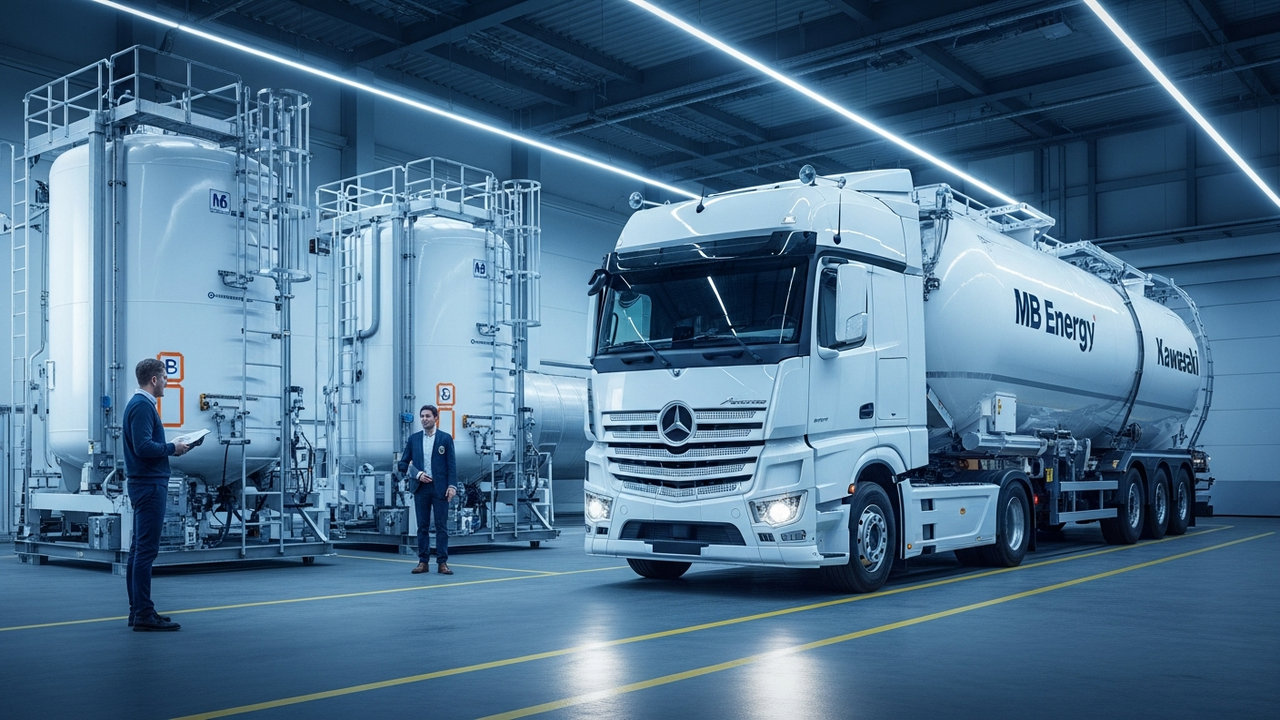
Daimler Truck, MB Energy, and Kawasaki Heavy Industries Ltd. have signed a Joint Development Agreement (JDA) to establish a liquefied hydrogen (LH2) supply chain to Europe via the Port of Hamburg. This groundbreaking partnership represents a significant step towards decarbonizing the heavy-duty transport sector.
Technical / Clinical Details
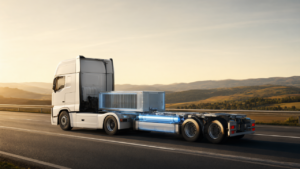
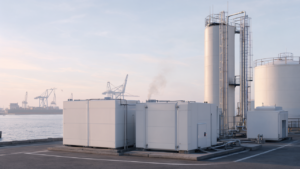
The primary objective of this JDA is to support the commercialization of Daimler Truck’s liquid hydrogen fuel cell trucks, with a target to commence series production by the early 2030s. Kawasaki Heavy Industries will contribute multiple foundational technologies for the LH2 supply chain, including the development of large-scale hydrogen liquefaction facilities, efficient LH2 storage tanks, and LH2 carriers. Liquid hydrogen offers a higher energy density compared to compressed hydrogen, making it particularly advantageous for long-distance transportation and bulk storage in heavy-duty applications. The Port of Hamburg will serve as a critical European logistics hub, from which an efficient LH2 distribution network will be established across Germany and the broader European continent.
Background & Context
Globally, the reduction of CO2 emissions, especially in the heavy-duty transport sector, is an urgent challenge. For long-haul trucks, where battery electric vehicles (BEVs) face limitations in charging time and range, fuel cell technology combined with liquid hydrogen has emerged as a promising zero-emission solution. This partnership addresses the complex challenge of building a global LH2 supply chain—a task too formidable for any single company—by fostering collaboration among leading companies from different sectors. Governments and industry bodies are also accelerating efforts to support the development of LH2 infrastructure.
Strategic Significance & Outlook
The collaboration between Daimler Truck, MB Energy, and Kawasaki Heavy Industries holds the potential to dramatically impact the decarbonization of Europe’s heavy-duty transport sector. If liquid hydrogen fuel cell trucks enter series production by the early 2030s, they will significantly reduce CO2 emissions from trucking and accelerate the transition to sustainable logistics systems. Kawasaki Heavy Industries’ LH2 infrastructure technologies will contribute to the efficiency and reliability of the global hydrogen supply chain, laying the groundwork for widespread adoption of liquid hydrogen as a transport fuel. This project serves as a model for international cooperation in the energy transition.
Source: #
Get our weekly technology intelligence — free
Receive an infographic that lets you judge at a glance whether each field’s analysis report is worth reading.
Subscribe Free — Weekly Tech Intelligence
By subscribing, you’ll receive Troy-Technical’s weekly technology intelligence newsletter.
- Your email and selected fields are used only to deliver the newsletter.
- We never share your information with third parties.
- You can unsubscribe anytime via the link in each email.
See our Privacy Policy for details.
Takes about a minute · Unsubscribe anytime