Key Findings
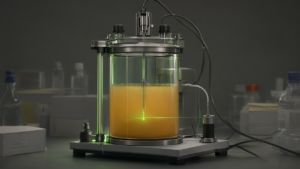
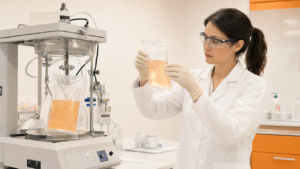
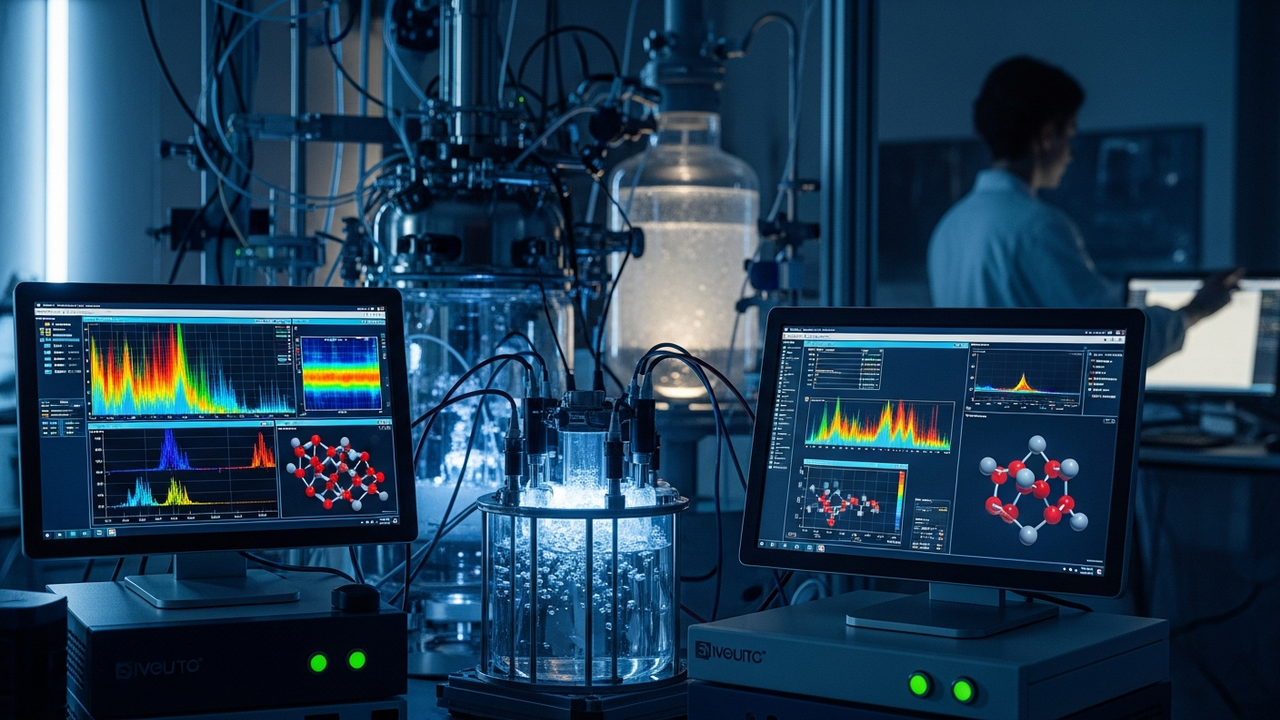
Hyperspectral.ai has introduced a groundbreaking technology that seamlessly integrates Raman spectroscopy with advanced chemometric and machine learning models to provide real-time, non-invasive Process Analytical Technology (PAT) visibility for mammalian cell culture processes. This innovation delivers unprecedented insights into dynamic culture conditions, enabling enhanced control and optimization previously unattainable with traditional methods.
Technical / Clinical Details
The core of this advanced PAT solution comprises several integrated components:
- Raman Spectroscopy for Real-Time Monitoring: Raman spectroscopy allows for direct, real-time measurement of critical metabolites like glucose, lactate, and ammonia, as well as biomass concentration, directly within the bioreactor. This non-invasive approach eliminates the need for manual sampling, preserving sterility and reducing the risk of contamination while providing continuous data streams on culture progression.
- Chemometrics and Machine Learning Integration: The raw Raman spectral data are processed using sophisticated chemometric algorithms and machine learning models. This analytical pipeline extracts meaningful process parameters from complex spectral fingerprints, building highly predictive models for key process parameters (KPPs) and critical quality attributes (CQAs). The system provides an end-to-end workflow from data acquisition to model validation, ensuring robust and reliable monitoring.
- Automated Quality Assessment and Process Forecasting: The system facilitates automated quality assessment, enabling early detection of process deviations and forecasting of future process behavior. This empowers operators to make timely, informed decisions, reducing batch-to-batch variability and enhancing product consistency and quality.
- Standardized Digital Lab Integration: A significant focus is placed on the integration of these analytical capabilities into standardized digital laboratory environments, such as those compliant with SiLA (Standardization in Lab Automation). This ensures seamless data sharing and interoperability between different instruments and software platforms, streamlining data management and facilitating data-driven decision-making across the bioprocess workflow.
Background & Context
In biopharmaceutical manufacturing, particularly in cell culture processes, numerous parameters influence product quality, yield, and cost. Traditional offline analytical methods, characterized by time-consuming sampling and laboratory analysis, often fail to capture the real-time dynamics of the process, creating a ‘visibility gap.’ This gap has been a major impediment to process optimization and scale-up. PAT has emerged as an indispensable tool to bridge this gap, offering a deeper understanding and control over complex biological systems.
Strategic Significance & Outlook
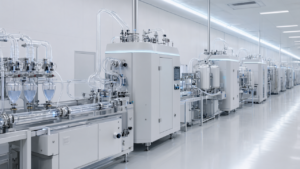
Real-time PAT, powered by Raman chemometrics and machine learning, is a critical technology shaping the future of bioprocess manufacturing. It is poised to significantly reduce process development timelines, lower manufacturing costs, and improve product quality. Its integration with continuous manufacturing processes and closed systems will accelerate the realization of more autonomous and efficient ‘Industry 4.0’ biomanufacturing platforms. This will lead to faster market entry for new biological drugs and improved patient access to life-changing therapies.
Source: https://www.youtube.com/watch?v=KX6z8lgFsiQ
Get our weekly technology intelligence — free
Receive an infographic that lets you judge at a glance whether each field’s analysis report is worth reading.
Subscribe Free — Weekly Tech Intelligence
By subscribing, you’ll receive Troy-Technical’s weekly technology intelligence newsletter.
- Your email and selected fields are used only to deliver the newsletter.
- We never share your information with third parties.
- You can unsubscribe anytime via the link in each email.
See our Privacy Policy for details.
Takes about a minute · Unsubscribe anytime