Key Findings
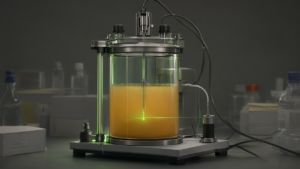
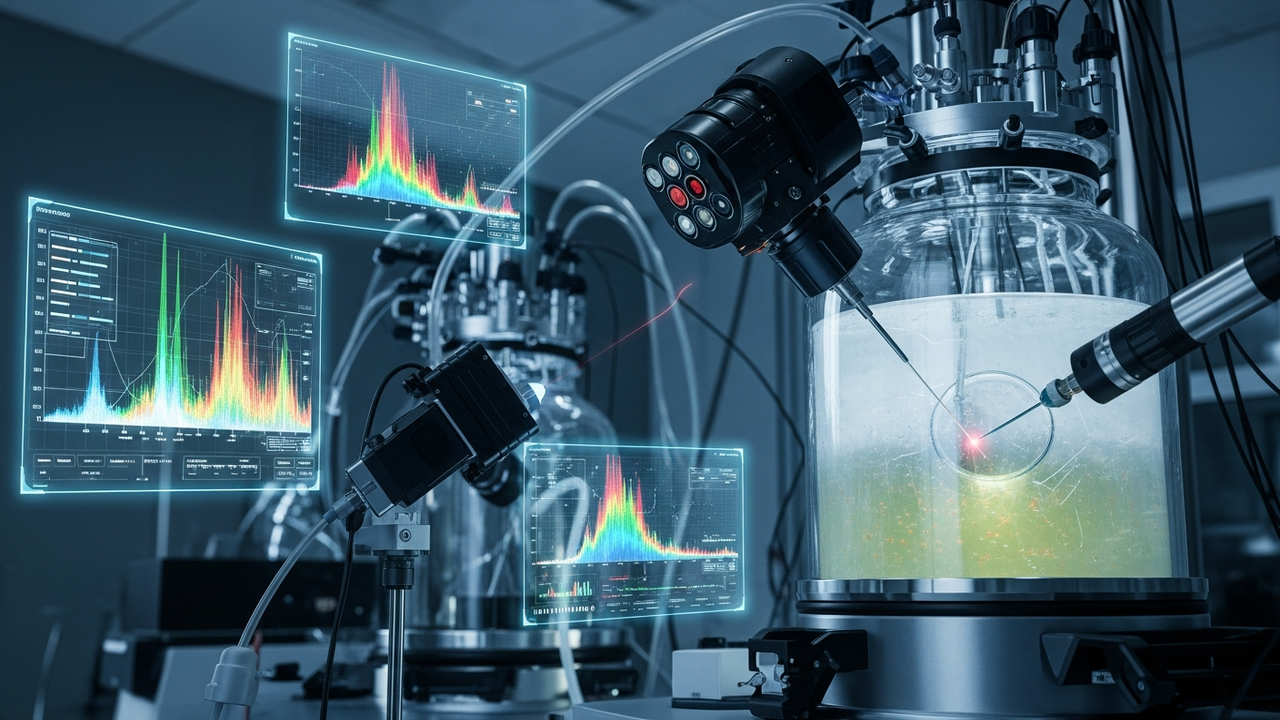
Hyperspectral has unveiled an advanced Process Analytical Technology (PAT) solution that enables real-time, non-invasive monitoring of mammalian cell culture processes by integrating Raman spectroscopy with chemometrics and machine learning (ML) models. This combined approach critically addresses significant visibility gaps in biomanufacturing, allowing for continuous surveillance of key process parameters and quality attributes, thereby substantially improving product consistency and process robustness.
Technical and Clinical Details
The solution begins with real-time acquisition of molecular information from the culture medium using a Raman spectrometer. Raman spectroscopy offers the advantage of simultaneously and non-invasively measuring multiple bioprocess parameters, including cell density, glucose, lactate, ammonium, and target protein concentrations. The acquired spectral data is then analyzed by chemometric methods (e.g., PLS regression) and machine learning models to extract meaningful process information from complex spectral patterns. This allows for constant awareness of the culture process state without relying on offline sampling or manual analysis. The end-to-end workflow encompasses spectral data acquisition, model building and validation, and model deployment into a digital lab environment. Integration with standardized digital lab environments ensures data compatibility and reusability across different instruments and platforms, supporting an efficient transition from bioprocess development to commercialization.
Background and Industry Context
Biopharmaceutical manufacturing, particularly mammalian cell culture, demands precise process control to ensure product quality and yield. However, conventional monitoring techniques often rely on time-consuming and labor-intensive offline analyses, making it challenging to respond to real-time process changes. This increases the risk of overlooking unforeseen variations or deviations during the process, potentially leading to batch failures or quality issues. Process Analytical Technology (PAT) was advocated by the FDA to address these challenges, aiming to incorporate product quality by design (QbD) through real-time process understanding and control. The introduction of non-invasive PAT tools like Raman spectroscopy enhances inline monitoring capabilities, enabling more robust manufacturing processes.
Strategic Significance and Outlook
The real-time PAT solution, combining Raman spectroscopy with chemometrics and machine learning, is poised to play a pivotal role in the future of biomanufacturing. Future developments are expected to enhance the versatility and predictive power of these models, allowing for high-accuracy, simultaneous monitoring of an even broader range of process parameters. There is also potential for this technology to integrate with other PAT tools and control systems, leading to fully automated, self-optimizing bioprocesses. This will minimize human intervention while maximizing efficiency and quality, thereby accelerating the entire biopharmaceutical development cycle and reducing time-to-market. Especially in personalized medicine, such as cell and gene therapy products, where rapid and consistent manufacturing is essential, the value of real-time monitoring technology will become even more pronounced.
Source: #
Get our weekly technology intelligence — free
Receive an infographic that lets you judge at a glance whether each field’s analysis report is worth reading.
Subscribe Free — Weekly Tech Intelligence
By subscribing, you’ll receive Troy-Technical’s weekly technology intelligence newsletter.
- Your email and selected fields are used only to deliver the newsletter.
- We never share your information with third parties.
- You can unsubscribe anytime via the link in each email.
See our Privacy Policy for details.
Takes about a minute · Unsubscribe anytime