Key Findings
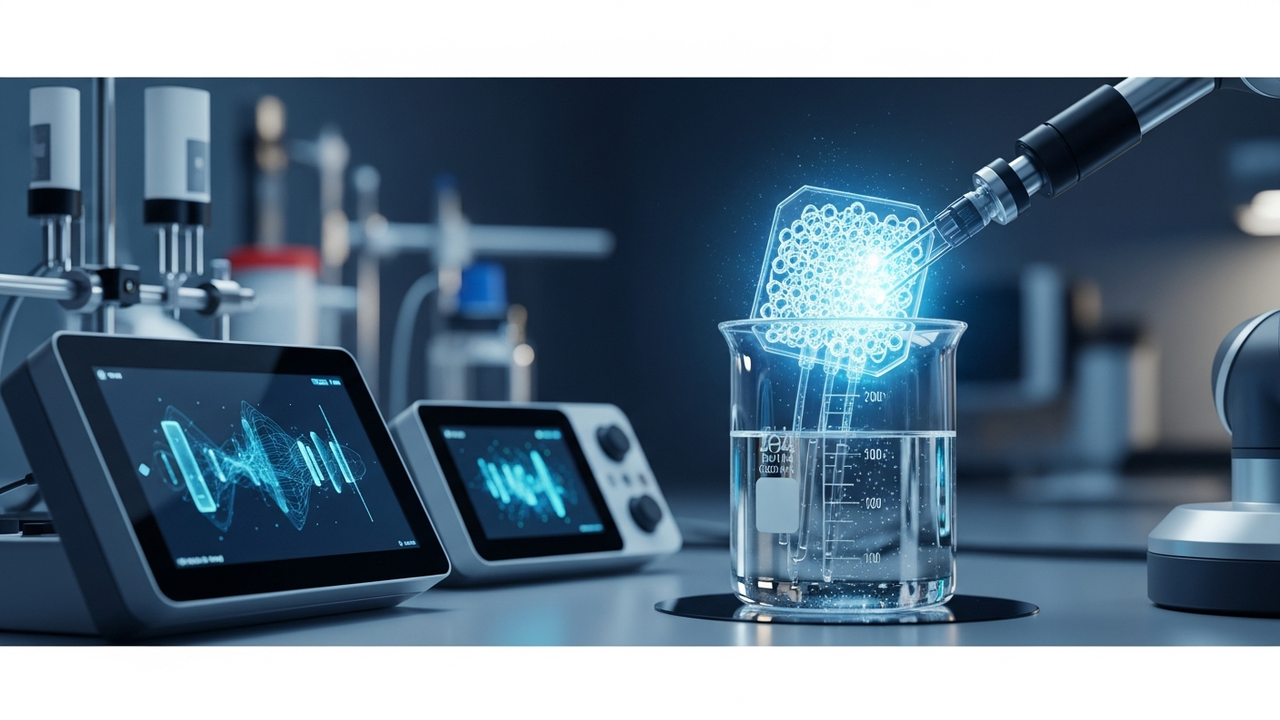
The innovative graphene-based sensing platform, dubbed the ‘PFAST system’ and developed by Grapheal, is attracting significant attention for its ability to rapidly detect per- and polyfluoroalkyl substances (PFAS) in water. This compact sensor system is capable of identifying ultra-trace levels of PFAS in complex water samples with extremely high sensitivity, promising a dramatic improvement in the efficiency and speed of environmental monitoring. Compared to conventional analytical methods, this technology eliminates the need for sample transportation and lengthy laboratory processing, enabling water utilities to assess water quality more quickly and frequently, and to make urgent decisions.
Technical/Clinical Details
The PFAST system harnesses the excellent electrical conductivity and surface properties of graphene in its detection mechanism. Graphene, a single-atom-thick carbon material, is highly sensitive to interactions with target molecules due to its high surface area and electron transfer capabilities. The sensor detects changes in graphene’s electrical properties when PFAS molecules bind to its surface. This process is highly specific, minimizing interference from other substances present in complex environmental samples. The system is designed as a portable device, allowing for direct measurements in the field. This enables results to be provided within minutes, compared to traditional laboratory analysis processes that can take several days. Its detection capability at ultra-trace levels (parts per trillion, ppt) is particularly crucial, given that PFAS can pose health risks even at very low concentrations.
Background and Industry Context
River water contamination poses a severe threat to ecosystems and public health worldwide. PFAS, known as ‘forever chemicals,’ are globally concerning pollutants due to their widespread use and resistance to degradation in the environment. They can enter the human body through various pathways, including drinking water, soil, and food, and have been linked to a range of health issues such as carcinogenicity, immune system impacts, and developmental disorders. Therefore, rapid and accurate monitoring of PFAS contamination is an urgent challenge for public health and environmental protection. Traditional PFAS detection methods, such as gas chromatography-mass spectrometry (GC-MS) and liquid chromatography-mass spectrometry (LC-MS), require expensive, specialized laboratory equipment and skilled technicians, with high time and cost implications that have hindered widespread adoption.
Strategic Significance & Outlook
Graphene-based sensors, like Grapheal’s PFAST system, hold the potential to revolutionize the management and mitigation of PFAS contamination. If widely adopted, this technology would enable local governments and water suppliers to monitor water quality in real-time and respond swiftly when contamination is detected. This would help curb the spread of pollution and protect public safety. In the future, this sensing platform could be applied to detect other environmental pollutants beyond PFAS. Its characteristics—low cost, high sensitivity, and rapid detection—will democratize environmental monitoring worldwide and contribute significantly to achieving a sustainable society.
Get our weekly technology intelligence — free
Receive an infographic that lets you judge at a glance whether each field’s analysis report is worth reading.
Subscribe Free — Weekly Tech Intelligence
By subscribing, you’ll receive Troy-Technical’s weekly technology intelligence newsletter.
- Your email and selected fields are used only to deliver the newsletter.
- We never share your information with third parties.
- You can unsubscribe anytime via the link in each email.
See our Privacy Policy for details.
Takes about a minute · Unsubscribe anytime







Comments