Universal Donor– tag –
-

Sana Biotechnology Targets 2026 IND for iPSC-Derived Hypoimmune Pancreatic Islet Cell Therapy SC451 in Type 1 Diabetes
TipRanks / Sana Biotechnology, Inc. USA Overview Sana Biotechnology updated its investor presentation, emphasizing pipeline advancements, particularly for SC451, an iPSC-derived hypoimmune pancreatic islet cell therapy for Type 1 diabete... -
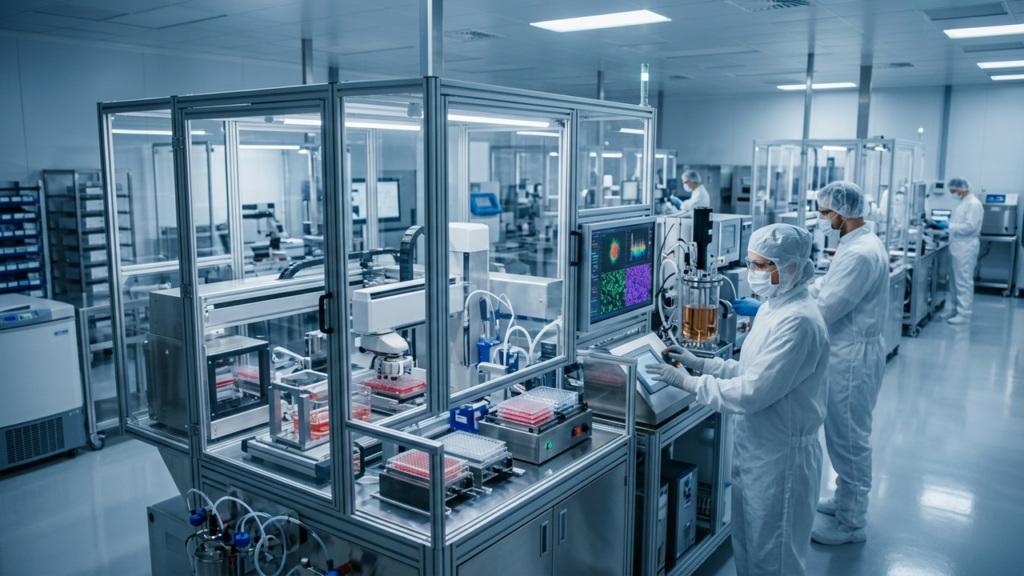
REPROCELL Accelerates Clinical Production with FDA/EMA/PMDA-Compliant iPSC Manufacturing Platform
REPROCELL Japan Overview REPROCELL has unveiled a robust iPSC manufacturing scale-up strategy aimed at accelerating clinical development and commercialization of iPSC-based therapeutics. Their StemRNA™ Clinical iPSC Platform offers clini... -
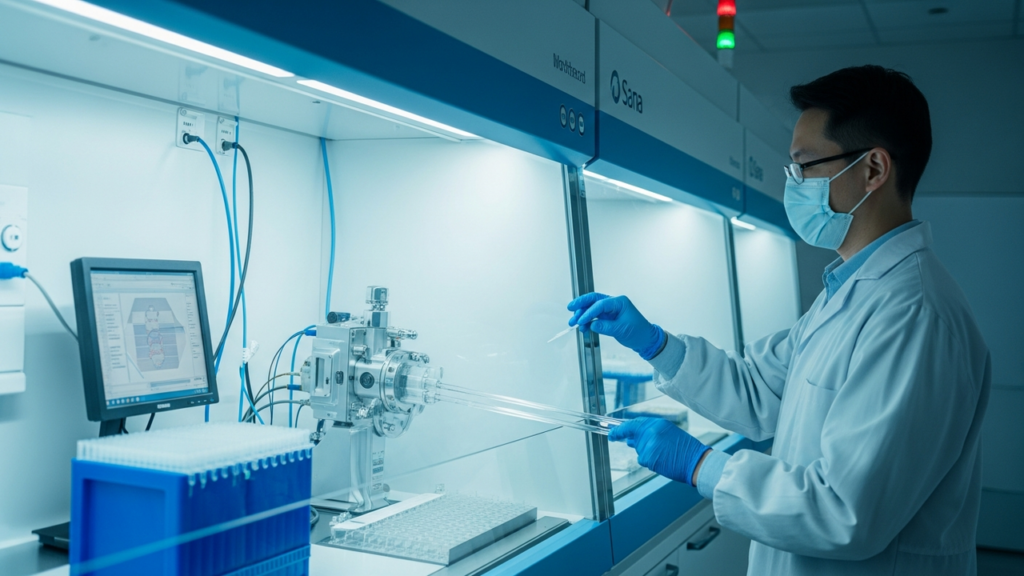
Sana Biotechnology Advances Hypoimmune iPSC-Derived SC451 for Type 1 Diabetes and In Vivo CAR T SG293 for Non-Hodgkin Lymphoma Towards Clinical Entry, Bolstered by NEJM Publication of Long-Term Pancreatic Islet Data
Sana Biotechnology, Inc. (Press Release) USA Overview Sana Biotechnology reported significant progress towards initiating clinical trials for SC451, an iPSC-derived pancreatic islet cell therapy for Type 1 diabetes, and SG293, an in vivo... -
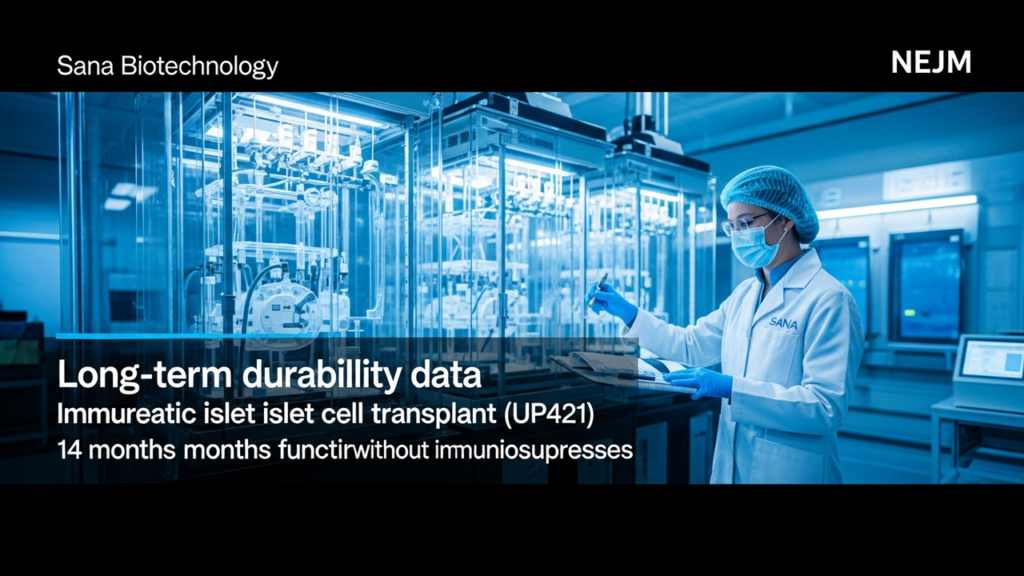
Sana Biotechnology Announces Groundbreaking 14-Month Durability Data for Hypoimmune-Modified Islet Cell Transplantation (UP421) in Type 1 Diabetes Without Immunosuppression, Published in The New England Journal of Medicine
GlobeNewswire (Sana Biotechnology) USA Overview Sana Biotechnology announced groundbreaking long-term durability data for its hypoimmune-modified islet cell transplant UP421 in Type 1 Diabetes patients, demonstrating 14 months of sustain... -
REPROCELL Unveils StemEdit Hypoimmune iPSCs with HLA Knockout, Accelerating Development of Off-the-Shelf Cell Therapies
REPROCELL (Blog) Japan Overview REPROCELL has announced the launch of its StemEdit hypoimmune iPSC lines, featuring HLA knockout through high-efficiency genome editing and regulatory-compliant cell lines. This technology aims to mitigate... -
Sana Biotechnology Advances Phase 1 Clinical Trial for Immunosuppression-Free iPSC-Derived Islet Cell Therapy UP421 for Type 1 Diabetes
AAII USA Overview Sana Biotechnology is actively progressing its Phase 1 clinical trial for UP421, an allogeneic islet cell product engineered with its Hypoimmune Platform (HIP) technology for type 1 diabetes, aiming to eliminate the nee... -
Australian iCamuno Biotherapeutics Launches Clinical Trial for Parkinson’s with ‘Hypoimmune Neural Cell Therapy’ Avoiding Immunosuppression
News Hub (Australia) Australia Overview Supported by A$4.6 million from the Australian government's Medical Research Future Fund, iCamuno Biotherapeutics has initiated a five-year research program to evaluate a novel stem cell therapy fo... -
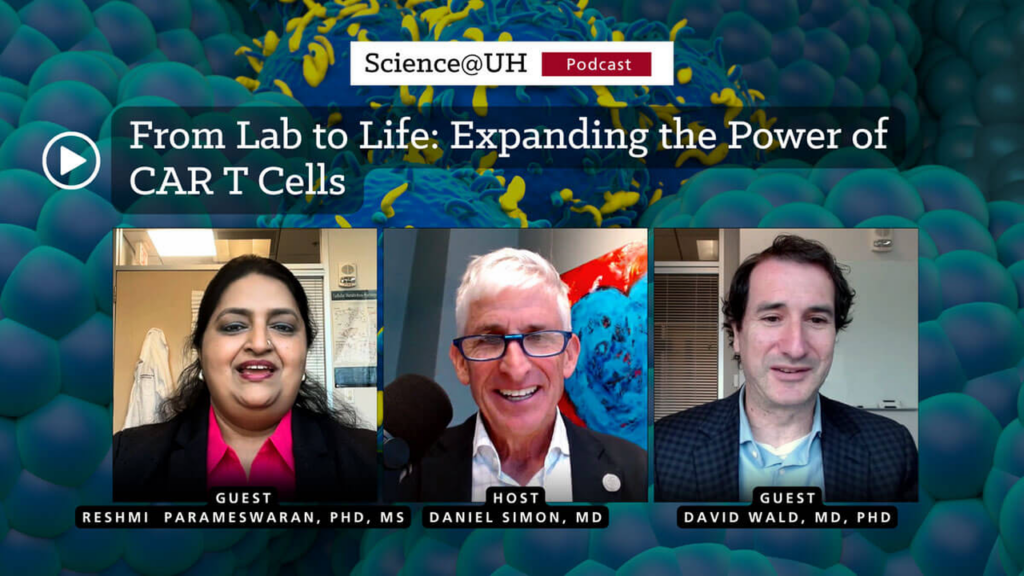
CAR-T Expands to Solid Tumors & Autoimmune Diseases; BAF CAR-T Shows Promising Early Results for Lupus, Compared with Off-the-Shelf CAR-NK Cells
University Hospitals USA Overview CAR-T cell therapy is expanding its success from hematologic malignancies to solid tumors and autoimmune diseases. Notably, early clinical trial results for BAF CAR-T in lupus are highly promising, sugge... -
Qihan Biotech’s Universal Dual-Target Hypoimmune CAR-T Therapy QT-019B Receives FDA RMAT and Breakthrough Therapy Designations
PackGene Biotech China Overview Qihan Biotech's universal dual-target CAR-T therapy, QT-019B, has received both FDA Regenerative Medicine Advanced Therapy (RMAT) and Breakthrough Therapy Designations (BTD). This off-the-shelf allogeneic ... -
REPROCELL Develops Hypoimmune iPSC Engineering with AI-Designed CRISPR for Off-the-Shelf Cell Therapies
REPROCELL Japan Overview REPROCELL announced a method to develop hypoimmune iPSCs using AI-designed CRISPR, leveraging its StemEdit gene-editing platform. This approach targets key immune recognition genes like B2M and CIITA to create un...





12