Key Findings
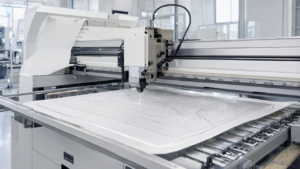
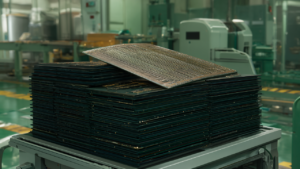
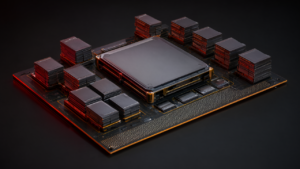
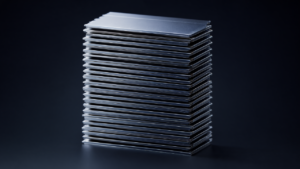
The semiconductor industry is accelerating its adoption of glass substrates as a critical material for advanced packaging, driven by the physical limitations of organic substrates encountered in 2026. Intel is set to mass-produce and ship its “Clearwater Forest” processor, which will be the first to utilize a glass-core substrate. Concurrently, TSMC is scheduled to launch its CoWoS glass pilot line by mid-year, and both Samsung and Absolics have initiated construction on new glass substrate factories, signifying a broad industry shift towards the commercialization of glass substrates.
Technical & Clinical Details
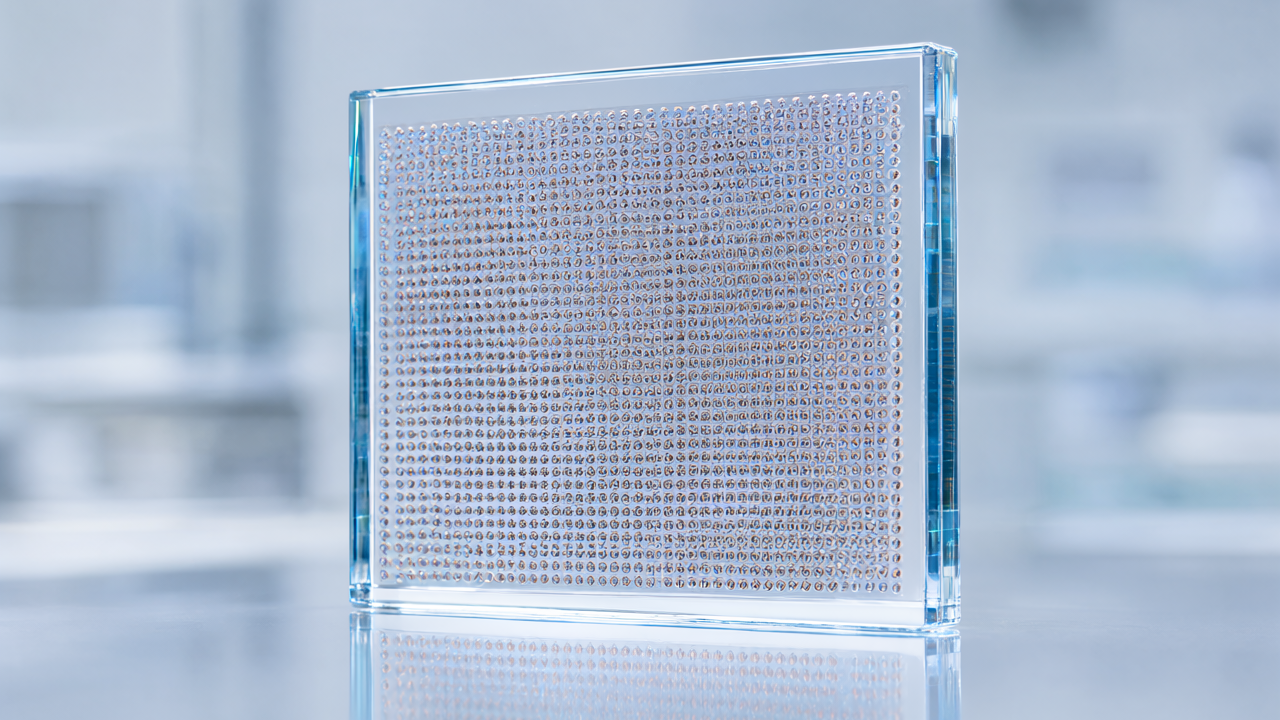
Organic substrates are nearing their physical and electrical limits in meeting the demands for larger, highly integrated packages required by high-performance computing (HPC) and AI applications. In contrast, glass substrates offer several decisive advantages. Firstly, glass has a coefficient of thermal expansion (CTE) that closely matches silicon, significantly reducing the risk of reliability degradation caused by stress between dissimilar materials. Secondly, its inherently superior flatness enables finer pattern formation and higher-density interconnections. Furthermore, glass exhibits extremely low dielectric loss and electrical resistance, which improves power efficiency and signal integrity in high-speed data transmission. These characteristics, particularly for large-area packages, facilitate Through-Glass Via (TGV) technology, forming the foundation for achieving smaller, higher-performance stacked structures.
Background & Context
The escalating demand for AI and high-performance computing has driven an unprecedented increase in semiconductor chip complexity and package size. This has given rise to electrical and thermal challenges that are difficult for conventional organic substrates to address. The introduction of glass substrates is positioned as a critical breakthrough to solve these challenges, enabling the realization of next-generation AI processors with more integrated chiplets and HBM. The successive investments and production line launches by major industry players indicate a significant turning point, moving glass substrates from mere R&D to full-scale commercial production.
Strategic Significance & Outlook
The market introduction of Intel’s “Clearwater Forest” processor will serve as a crucial test for the reliability and practicality of glass-core substrate technology. The entry of major foundries like TSMC and Samsung will establish the glass substrate supply chain and bolster mass production capabilities. This trajectory suggests that glass substrates will become indispensable for future AI, data center, and high-performance computing sectors, potentially setting a new standard for semiconductor packaging technology. Over the next few years, advanced packaging solutions utilizing glass substrates are expected to rapidly proliferate, driving industry-wide technological innovation.
Source: https://www.simpletechtrend.com/en/post/tgv-glass-substrate-2026-advanced-packaging-en
Get our weekly technology intelligence — free
Receive an infographic that lets you judge at a glance whether each field’s analysis report is worth reading.
Subscribe Free — Weekly Tech Intelligence
By subscribing, you’ll receive Troy-Technical’s weekly technology intelligence newsletter.
- Your email and selected fields are used only to deliver the newsletter.
- We never share your information with third parties.
- You can unsubscribe anytime via the link in each email.
See our Privacy Policy for details.
Takes about a minute · Unsubscribe anytime