Background: The Promise of Novel Functional Materials Unlocked by Nanotechnology
Nanotechnology, through its unparalleled ability to precisely control materials at the nanoscale, offers the transformative potential to engineer new functionalities and properties unattainable with conventional bulk materials. Of particular interest are functional nanomaterials developed through bio-inspired approaches, as well as those exhibiting ‘smart’ responsiveness—materials that inherently alter their properties in reaction to external stimuli. Such innovations are poised to drive significant advancements across medicine, energy, and environmental sectors. However, the efficient design and synthesis of these sophisticated materials, coupled with the precise control over their functions, demand a deep understanding at the molecular level and advanced technical expertise.
Key Findings: Diverse Research Frontiers of the NANOSFUN Group
The NANOSFUN (Nanostructured Functional Materials) group, based at the Universitat Autònoma de Barcelona (UAB) in Spain, stands as a pioneering research entity in this burgeoning field. Their overarching research objective is to develop molecular nanostructures that possess nature-inspired properties and respond intelligently to external stimuli such as heat, light, and electric fields. Specifically, their efforts are concentrated along two primary research thrusts:
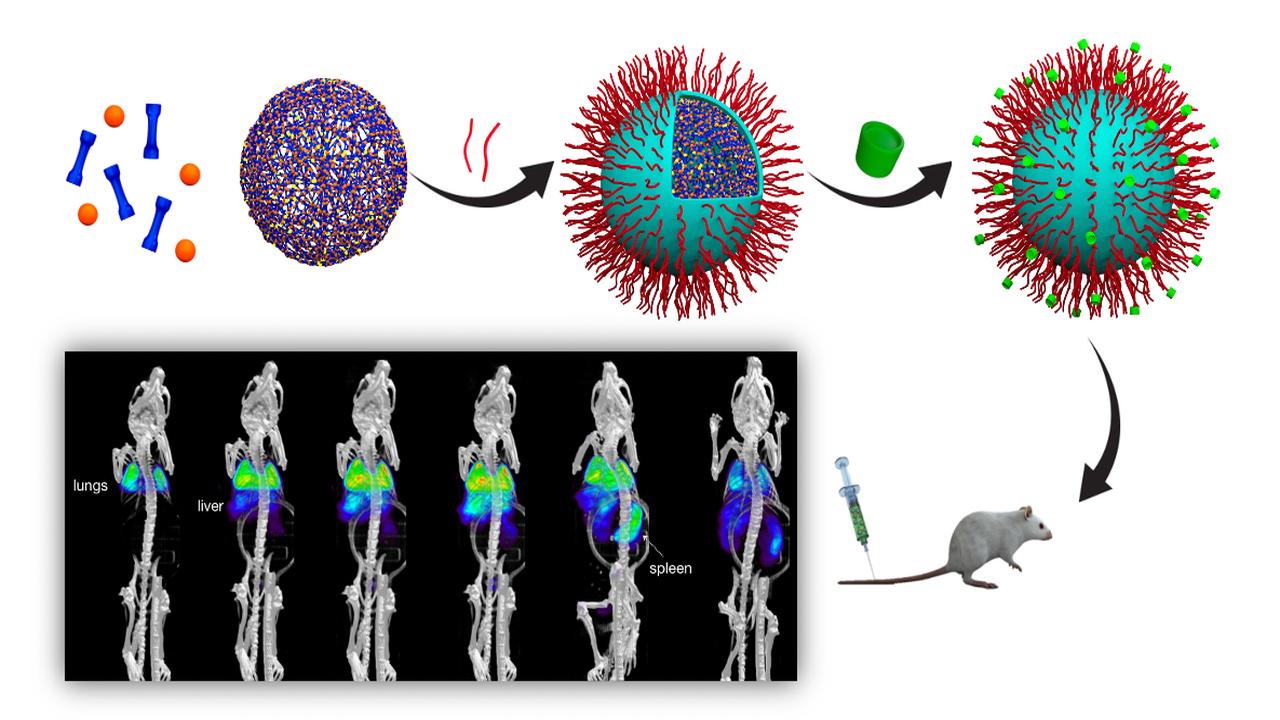
- Nanoscale functional polymers for brain disease therapy and regenerative medicine: The group is developing biocompatible polymer materials specifically engineered to navigate the complex and unique environment of the brain. These materials hold promise for advanced drug delivery systems, serving as scaffolds for precise cell growth, and actively promoting neural regeneration. Their technologies encompass the incorporation of bioactive molecules to induce specific cellular responses and imparting smart responsiveness for targeted action on lesioned areas, minimizing off-target effects.
- Chromogenic and emissive nanomaterials for energy-efficient devices: Nanomaterials capable of controlled color changes (chromogenic) or efficient light emission (emissive) are highly anticipated for a wide array of energy-saving applications. These include next-generation smart windows, high-efficiency LEDs, advanced sensors, and innovative displays. NANOSFUN is actively pushing the boundaries in the synthesis, comprehensive characterization, and seamless device integration of these materials to dramatically improve energy conversion efficiency and accelerate the realization of sustainable technologies.
Furthermore, Dr. Claudio Roscini exemplifies the group’s active contribution to the global academic community, having presented their cutting-edge research findings at the inaugural SustainableNano conference.
Technical Significance and Outlook
The NANOSFUN group’s research extends beyond the mere synthesis of novel materials; it makes significant contributions to elucidating the underlying molecular-level design principles and the mechanisms governing functional expression. This foundational knowledge is crucial for enabling the development of highly tailored solutions for specific medical needs—such as targeted therapy for aggressive brain tumors—and critical energy challenges, like enhancing solar power generation efficiency. Particularly, the synergistic fusion of bio-inspired approaches with smart responsiveness is rapidly emerging as a mainstream trend in the future of functional materials. Looking ahead, their research is expected to forge new paradigms in disease treatment and provide an indispensable foundation for the realization of next-generation devices that dramatically reduce energy consumption. Moreover, the group’s active participation in discussions surrounding the societal and ethical dimensions of technology, as evidenced by their involvement in social science activities, underscores a commitment to the sustainable and responsible development of nanotechnology.
Source: https://nanosfun.com/









Comments