Background: Challenges and Evolution in Biopharmaceutical Manufacturing
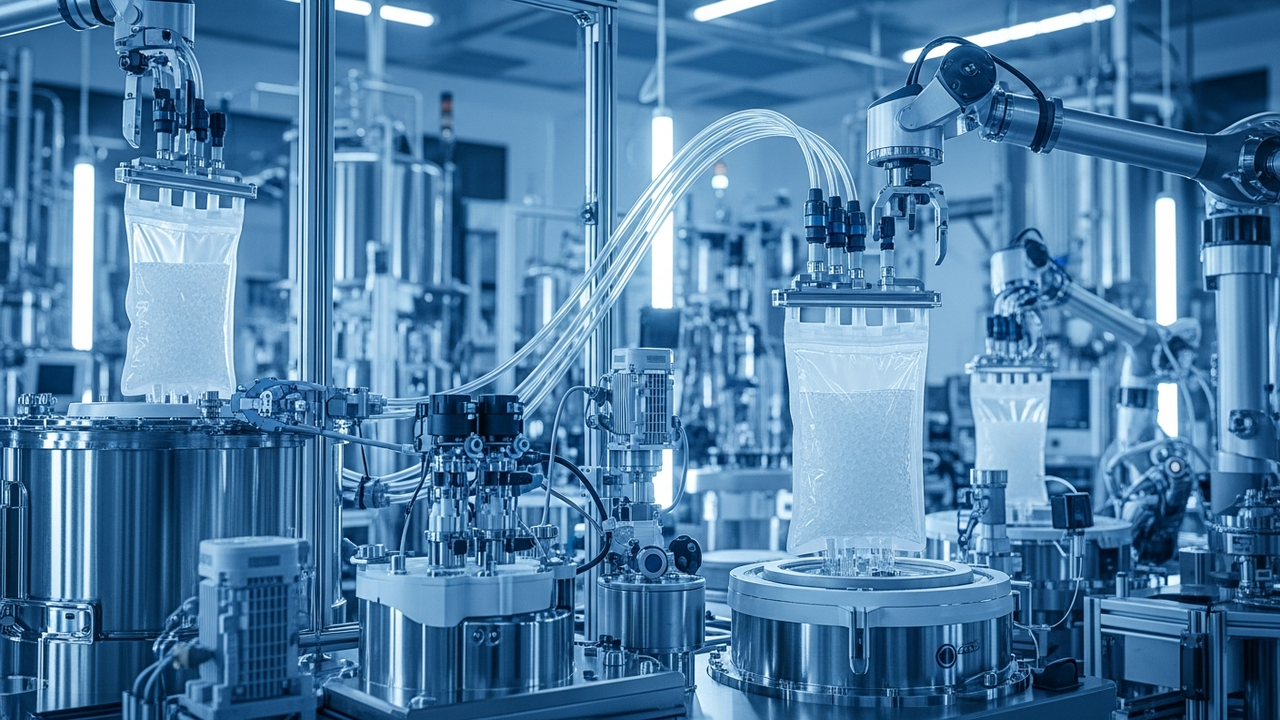
Biopharmaceutical manufacturing is a complex and highly regulated sector constantly seeking innovations to improve efficiency, reduce costs, and accelerate time-to-market. The cell culture step is central to producing biologics, demanding large-scale, high-efficiency processes with minimal contamination risk. Traditional stainless-steel bioreactor systems, while robust, incur significant time and cost for cleaning, sterilization, and validation between batches, limiting operational flexibility. This backdrop has propelled the rapid adoption of single-use cell culture technologies, particularly single-use cell culture bags.
Market Dynamics and Growth Drivers for Single-Use Cell Culture Bags
According to recent market analyses, the single-use cell culture bag market is poised for robust growth between 2026 and 2033. Several key factors are driving this anticipated expansion:
- Enhanced Operational Efficiency: Single-use bags are supplied pre-sterilized, dramatically reducing setup times. This enables faster batch-to-batch turnover, increasing overall manufacturing throughput and productivity. This efficiency is particularly beneficial for Contract Development and Manufacturing Organizations (CDMOs) and biotech startups that require flexibility for multi-product facilities or rapid process changes.
- Significant Reduction in Contamination Risk: By utilizing a new, sterile bag for each batch, the risk of cross-contamination—a critical concern in biopharmaceutical production—is substantially minimized compared to reusable stainless-steel systems. This contributes significantly to product quality assurance and regulatory compliance.
- Optimized Capital Investment and Operating Costs: Compared to large-scale stainless-steel infrastructure, single-use systems require lower upfront capital investment. Furthermore, they eliminate the need for utilities (water, steam, chemicals) associated with cleaning and sterilization, leading to reduced operational expenditures. Their flexible nature also allows for adaptable facility layouts and rapid scalability of production capacity.
- Continuous Technological Innovations: Ongoing innovations, including improvements in bag materials, integration of advanced sensor technologies, and enhanced compatibility with bioreactor systems, continue to invigorate the market. These advancements enable support for more complex culture conditions and high-density cell cultures, broadening their applicability across various cell types and biomanufacturing processes.
Impact and Future Outlook
The increasing adoption of single-use cell culture bags is accelerating a paradigm shift in biopharmaceutical manufacturing. With the emergence of new modalities like cell and gene therapies and personalized medicine, manufacturing flexibility and speed have become paramount. These products often involve smaller market sizes but critical patient needs, making single-use technologies an economically viable production method.
In the future, single-use technology is expected to become even more entrenched as a standard in bioprocessing. Further integration with AI-powered automation systems and real-time monitoring for process optimization will likely lead to even greater manufacturing efficiency and quality. Suppliers are anticipated to focus on developing larger volume bags, customized products for specific culture conditions, and more environmentally friendly disposal solutions. The growth of this market is a crucial factor in reducing the cost of biopharmaceuticals and ensuring their faster delivery to patients globally.






Comments