Key Findings
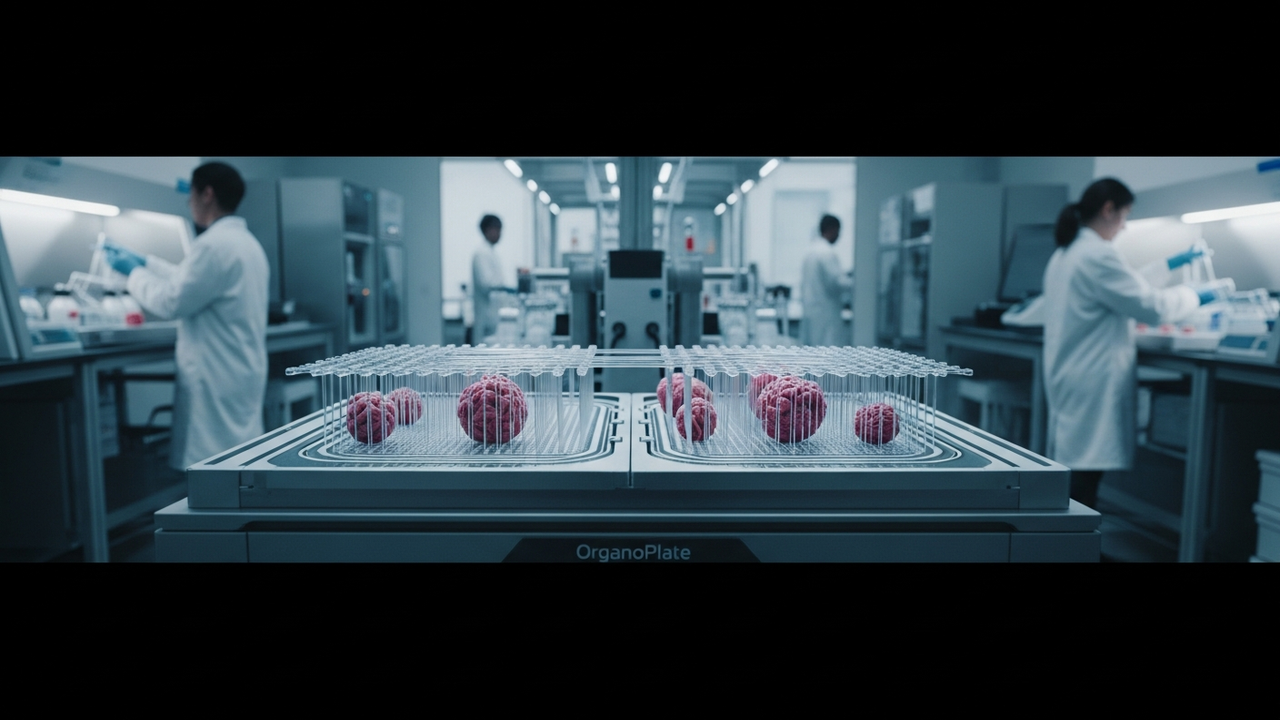
The Frederick National Laboratory for Cancer Research has developed an advanced tumor organoid platform to revolutionize precision oncology studies. This platform utilizes MIMETAS’ perfusion-enabled, high-throughput OrganoPlate system, enabling the efficient culture of 64 adult stem cell-derived colon organoids in perfusion tubules. These organoids are supplied in a ready-to-use format, significantly accelerating drug screening and disease mechanism elucidation using patient-derived cancer models.
Technical / Clinical Details
MIMETAS’ OrganoPlate and OrganoReady® product lines are built upon proprietary microfluidic technology. The perfusion tubule structure allows organoids to be cultured under dynamic conditions that closely mimic the in vivo environment, providing continuous nutrient supply and waste removal. This dynamic culture system enhances cell differentiation, functional maintenance, and drug response predictability compared to static cultures. The high-throughput nature of the platform addresses bottlenecks in preclinical testing by enabling parallel evaluation of numerous drug candidates and experimental conditions. Furthermore, the development of optimized cell culture media, such as OncoPro Tumoroid Culture Medium, simplifies the cultivation of patient-derived cancer models, reducing researcher workload and yielding more physiologically relevant results.
Background & Context
Traditional cancer research often relies on 2D cell cultures or animal models, which frequently fail to accurately recapitulate human physiological conditions and drug responses. Organoid technology, particularly tumor organoids, has emerged as an indispensable tool for precision medicine due to its ability to more faithfully mimic the complex tumor microenvironment of patients. High-throughput and perfusion-enabled systems are key to improving the efficiency and predictability of drug discovery research by offering scalability and enhanced physiological relevance.
Strategic Significance & Outlook
The implementation of this tumor organoid platform represents a major step towards realizing personalized medicine. Researchers can now use organoids derived from a patient’s cancer cells to screen for optimal therapeutics or predict individual patient drug responses. This is expected to improve clinical trial success rates and reduce the cost and time associated with therapeutic development. For investors, companies developing organoid technologies, especially platforms supporting high-throughput screening, present attractive opportunities in this rapidly expanding field.
Source: https://frederick.cancer.gov/events/engineering-tumor-organoid-platforms-precision-oncology