Key Findings
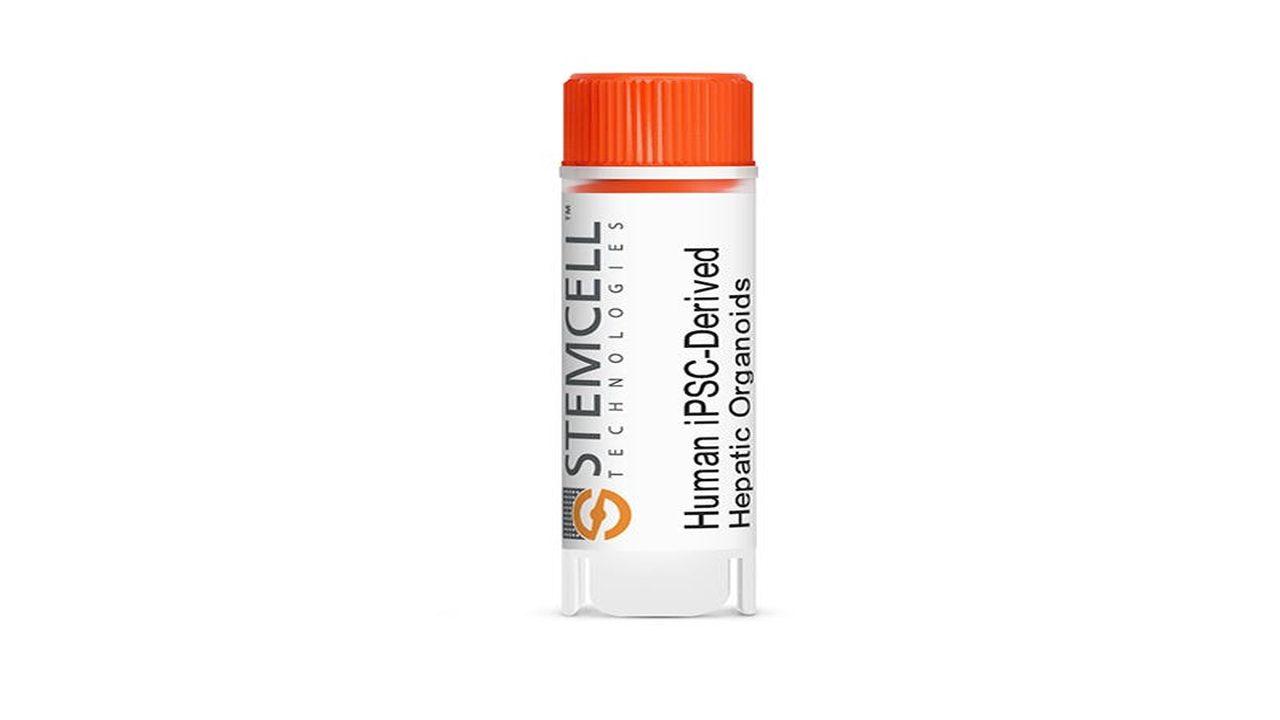
STEMCELL Technologies has introduced new human induced pluripotent stem cell (iPSC)-derived hepatic organoid products, offering an innovative tool for liver-related research. These organoids are designed to serve as more physiologically relevant models for diverse research areas, including liver development mechanisms, drug-induced liver injury (DILI), hepatotoxicity, and drug metabolism.
Technical / Clinical Details
STEMCELL Technologies’ iPSC-derived hepatic organoids are generated and maintained with high efficiency and purity using proprietary optimized culture protocols and a specialized media system, including STEMdiff™ Hepatic Organoid Growth Medium and Organoid Culture Plates. These organoids possess several key characteristics:
- Physiological Relevance: They highly recapitulate the microarchitecture and cellular composition of human liver, mimicking in vivo liver functions.
- Expression of Liver-Specific Markers: They stably express key liver functional genes and proteins, such as albumin and CYP450 enzymes.
- Essential Hepatic Functions: They retain diverse liver functions post-differentiation, including drug metabolism, bile acid secretion, and glycogen storage.
- High Scalability: Standardized protocols facilitate large-scale culture in research labs and application in high-throughput screening.
These features make them extremely useful for evaluating the safety and efficacy of candidate compounds in drug discovery and for elucidating the mechanisms of various liver diseases.
Background & Context
The liver is the central organ for drug metabolism, and hepatotoxicity assessment is a critical step in drug development. However, traditional 2D cell culture models and animal models have struggled to fully replicate the complex physiological functions and drug responses of the human liver. iPSC-derived hepatic organoids, as a leading example of 3D culture technology, are gaining significant attention for enabling the creation of disease models reflecting human genetic backgrounds and for drug screening aimed at personalized medicine. This approach promises to improve the success rates of preclinical trials, reducing development time and costs.
Strategic Significance & Outlook
The provision of high-quality hepatic organoid products by STEMCELL Technologies will contribute to more efficient drug discovery research and more accurate preclinical data acquisition. This technology offers innovative solutions, particularly in predicting drug responses for compounds with high DILI risk or for patients with specific genetic backgrounds. Investors should monitor the growth of the iPSC-derived organoid market and the companies providing supporting products and technologies. Engineers and researchers are expected to focus on developing automated screening systems that incorporate these advanced models.
Source: https://www.stemcell.com/products/human-ipsc-derived-hepatic-organoids.html




Comments