Key Findings
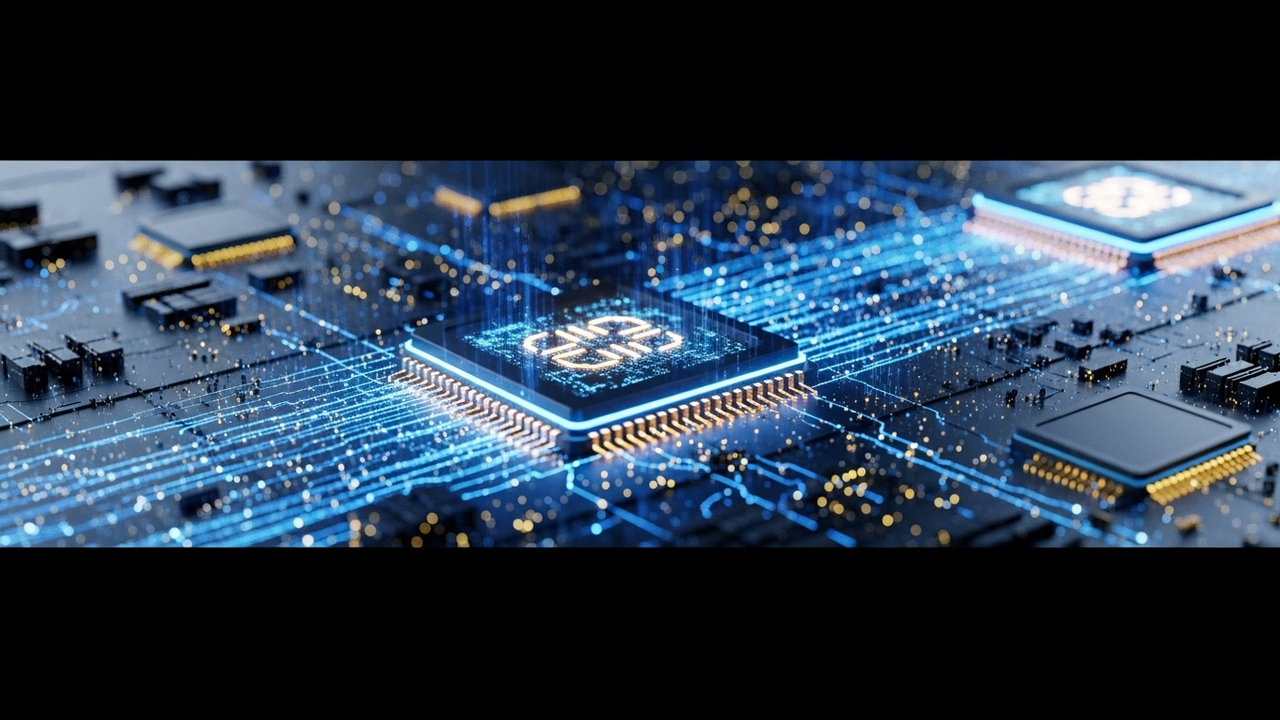
Silicon photonics holds the potential to deliver transformative benefits to the field of optics that are comparable to, or even greater than, what semiconductor technology has brought to electronics. These advantages include miniaturization, significant manufacturing cost reductions, and dramatic decreases in power consumption. The ecosystem surrounding this technology is rapidly maturing, driven by the demands of high-growth applications such as artificial intelligence (AI) and cloud services, making it one of the most desirable solutions for these sectors. Silicon photonics is indispensable for achieving high-bandwidth communication and efficient co-packaging with electrical chips, and its inherent scalability and exceptional performance are positioned as core elements in the design of next-generation data centers.
Technical / Clinical Details
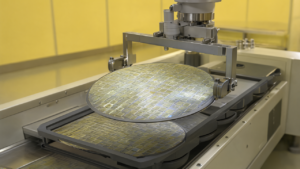
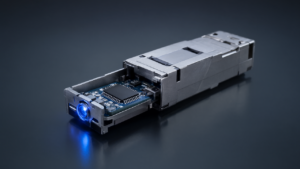
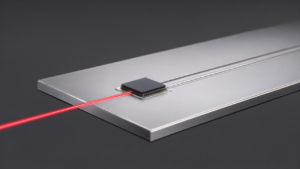
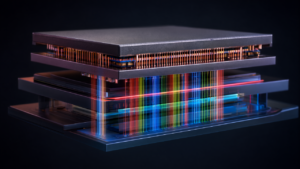
Silicon photonics utilizes standard CMOS manufacturing processes to integrate optical components such as waveguides, modulators, and detectors directly onto silicon wafers. This allows for optical and electrical components to be placed on the same chip or in very close proximity, minimizing electrical signal path lengths and dramatically reducing signal loss and power consumption. For AI workloads, in particular, terabits-per-second data transfer is required between CPUs, GPUs, and memory, which is physically impossible with traditional copper interconnects. Silicon photonics serves as the foundational technology for co-packaged optics (CPO) and near-package optics (NPO), enabling these ultra-high-speed interconnects with low latency and high efficiency. This maximizes the performance of AI chips and improves the overall computational power and energy efficiency of data centers.
Background & Context
The explosive growth of AI and cloud computing has led to a dramatic increase in data traffic within data centers. By the late 2020s, intra-data center traffic is projected to surpass total internet traffic, making the efficient movement of this enormous data volume the biggest bottleneck for further AI scaling. Electrical interconnects are facing thermal, power, and bandwidth limitations, making the transition to silicon photonics an inevitable trend. Many leading semiconductor companies and data center providers are accelerating their investment and development in this technology, recognizing its pivotal role in the future of AI.
Strategic Significance & Outlook
The widespread adoption of silicon photonics technology will revolutionize next-generation data center architectures, enabling the construction of denser and more energy-efficient AI clusters. As CPO and NPO solutions mature, silicon photonics will significantly enhance the performance of AI accelerators and switch ASICs, drastically reducing the time required for AI model training and inference. Furthermore, it will substantially contribute to lowering data center operational costs and reducing environmental impact. Companies like Credo, by leading innovation in this field and providing foundational technology to unlock AI’s full potential, are expected to strengthen their presence as key players accelerating digital transformation. The future of silicon photonics is a world of high bandwidth and low power, driven by AI and cloud services.
Source: https://credosemi.com/blogs/future-of-silicon-photonics/
Get our weekly technology intelligence — free
Receive an infographic that lets you judge at a glance whether each field’s analysis report is worth reading.
Subscribe Free — Weekly Tech Intelligence
By subscribing, you’ll receive Troy-Technical’s weekly technology intelligence newsletter.
- Your email and selected fields are used only to deliver the newsletter.
- We never share your information with third parties.
- You can unsubscribe anytime via the link in each email.
See our Privacy Policy for details.
Takes about a minute · Unsubscribe anytime