Key Findings
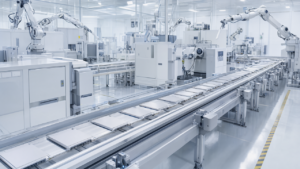
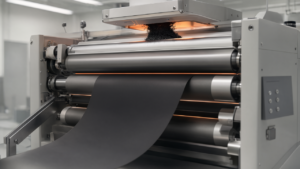
WeLion, a battery supplier for Nio, has announced that its inaugural batch of semi-solid-state batteries has commenced production at its facility in Huzhou, Zhejiang province, China. This key development aligns with the escalating focus among global automakers on solid-state battery (SSB) technology as a critical enabler for electric vehicles (EVs with driving ranges exceeding 1,000 kilometers. The launch underscores a growing trend of Chinese EV producers intensifying their efforts in SSB mass production.
Technical / Clinical Details
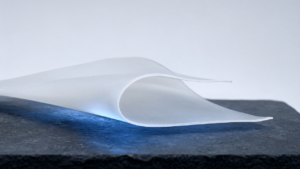
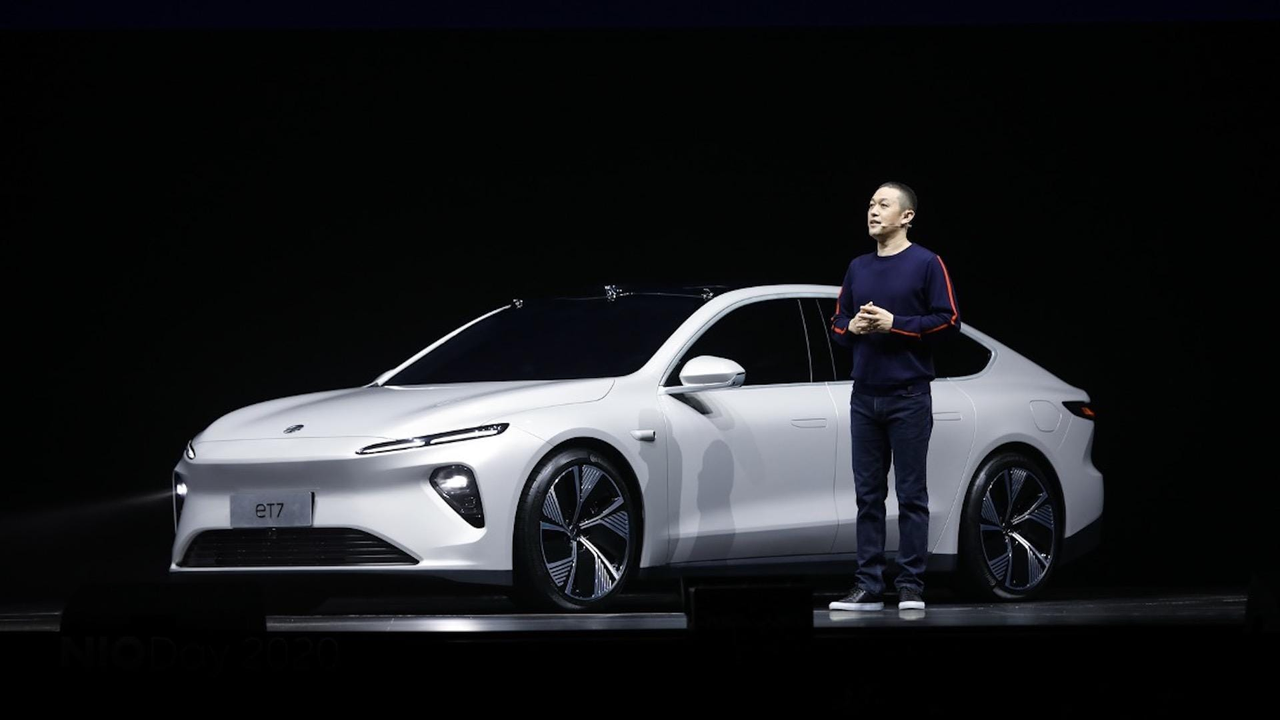
The semi-solid-state batteries entering production by WeLion represent a hybrid approach, incorporating elements of solid electrolytes to enhance safety and energy density beyond traditional liquid lithium-ion batteries. While specific technical specifications such as exact energy density are not fully detailed in this particular announcement, previous reports on Nio’s ET7 sedan equipped with a 150 kWh semi-solid-state battery (reportedly achieving approximately 1,046 km or 650 miles of range in testing) suggest the performance capabilities of WeLion’s technology. By partially replacing liquid electrolytes with solid components, these batteries aim to mitigate the risk of thermal runaway while offering higher energy storage capacity. Semi-solid-state batteries often present a more straightforward path to mass production compared to pure all-solid-state designs, as they may leverage existing manufacturing infrastructure with fewer modifications, thus facilitating quicker market entry.
Background & Context
The global automotive industry is in a rapid transition towards electrification, and advancements in battery technology are paramount to addressing key consumer concerns such as range anxiety and charging convenience. All-solid-state batteries are considered the ‘holy grail’ of next-generation battery technology due to their potential for superior safety (eliminating flammable liquid electrolytes) and significantly higher energy density (by enabling lithium metal anodes). China has emerged as a frontrunner in this race, with substantial government support and aggressive R&D investments by domestic manufacturers to bring SSB and semi-SSB technologies to market. WeLion’s production launch is a tangible manifestation of China’s progress in this domain, further intensifying the global technological competition in the EV sector.
Strategic Significance & Outlook
WeLion’s initiation of semi-solid-state battery production is a critical milestone for the commercialization of next-generation battery technology, particularly enhancing the product competitiveness of EV manufacturers like Nio. Should this technology gain wider adoption, it promises to revolutionize EV capabilities by drastically increasing driving ranges, which could encourage broader consumer acceptance of electric vehicles. It is anticipated that WeLion will scale up its production and potentially expand supply to other automakers. This move is expected to catalyze further development and mass production efforts among other battery and automotive manufacturers, driving innovation across the battery industry. In the long term, safer and higher-performance batteries are indispensable for realizing a sustainable mobility future, with companies like WeLion playing a pivotal role in this transformation.
Get our weekly technology intelligence — free
Receive an infographic that lets you judge at a glance whether each field’s analysis report is worth reading.
Subscribe Free — Weekly Tech Intelligence
By subscribing, you’ll receive Troy-Technical’s weekly technology intelligence newsletter.
- Your email and selected fields are used only to deliver the newsletter.
- We never share your information with third parties.
- You can unsubscribe anytime via the link in each email.
See our Privacy Policy for details.
Takes about a minute · Unsubscribe anytime