Key Findings
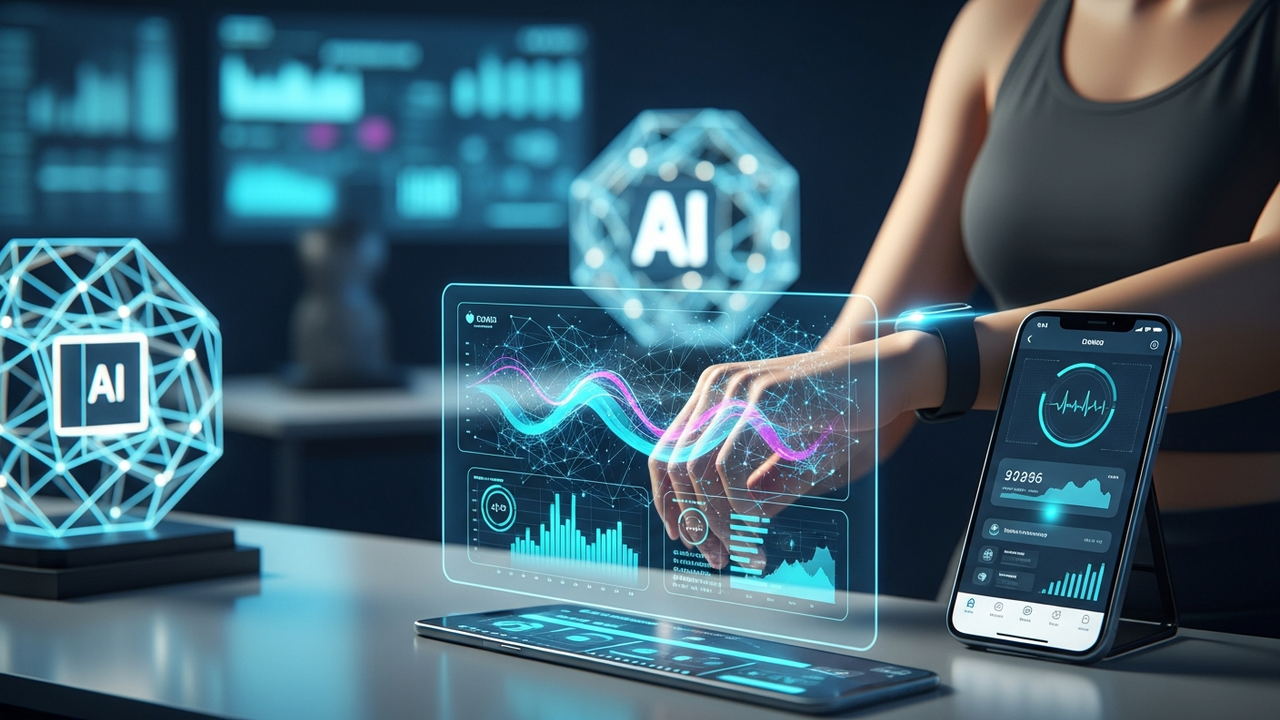
Artificial Intelligence (AI), digital health platforms, and remote patient monitoring (RPM) systems are fundamentally transforming the delivery of care for obesity and metabolic diseases. These technologies are establishing data-driven, patient-centric care models by integrating wearable devices, mobile health applications, and AI-powered data analytics, thereby enabling real-time health tracking and timely interventions. Specifically, AI is playing a pivotal role in significantly enhancing the efficiency and effectiveness of obesity management through predictive risk modeling for metabolic diseases, personalized nutrition and fitness recommendations, recognition of behavioral patterns, and automated patient engagement via AI chat systems.
Technical / Clinical Details
In this evolving care model, patients utilize wearable sensors such as smartwatches, smart scales, and continuous glucose monitoring (CGM) devices to continuously collect a variety of biometric data, including heart rate, activity levels, sleep patterns, weight, and blood glucose. This data is uploaded in real-time to secure digital health platforms and then analyzed by AI algorithms. The AI predicts the risk of developing obesity and related metabolic diseases (e.g., Type 2 diabetes, hypertension) based on individual patient data, genetic background, and lifestyle information. Furthermore, AI detects changes in patient behavior (e.g., shifts in dietary intake or exercise levels) and, based on this information, automatically generates personalized meal plans, exercise programs, and lifestyle improvement recommendations, delivering them directly to patients via mobile apps or AI chatbots. This system enables healthcare providers to efficiently manage more patients, while patients actively participate in their treatment utilizing their own health data.
Background & Context
Obesity constitutes a severe global public health challenge, acting as a major risk factor for numerous chronic conditions such as Type 2 diabetes, cardiovascular diseases, and certain cancers. Traditional obesity treatment heavily relies on physician consultations and patient self-management, with a lack of sustained support and engagement often hindering treatment success. Advances in digital health and AI offer scalable and sustainable solutions to these challenges. Remote monitoring ensures that patients receive continuous support regardless of their location, and AI analyzes vast amounts of data to identify optimal interventions for individual patients. This technological integration is expected to optimize healthcare resources, improve patient outcomes, and ultimately reduce healthcare costs, accelerating the digital transformation across the entire healthcare industry.
Strategic Significance & Outlook
The fusion of AI, digital health, and remote monitoring in obesity care is set to evolve further in the coming years. More sophisticated AI models will incorporate genetic data, microbiome data, and environmental factors to enable even more precise personalized medicine. Wearable sensors will continue to miniaturize and become more multifunctional, capable of non-invasively measuring a wider range of biomarkers. Additionally, immersive health coaching utilizing virtual reality (VR) and augmented reality (AR), along with gamified behavioral change programs, may be introduced to further enhance patient engagement. These advancements are expected to transform obesity and metabolic disease prevention, management, and treatment into more effective, accessible, and life-enhancing approaches for patients.
Source: https://www.datamintelligence.com/news/ai-digital-health-remote-monitoring-obesity-care-2026
Get our weekly technology intelligence — free
Receive an infographic that lets you judge at a glance whether each field’s analysis report is worth reading.
Subscribe Free — Weekly Tech Intelligence
By subscribing, you’ll receive Troy-Technical’s weekly technology intelligence newsletter.
- Your email and selected fields are used only to deliver the newsletter.
- We never share your information with third parties.
- You can unsubscribe anytime via the link in each email.
See our Privacy Policy for details.
Takes about a minute · Unsubscribe anytime






Comments