Key Findings
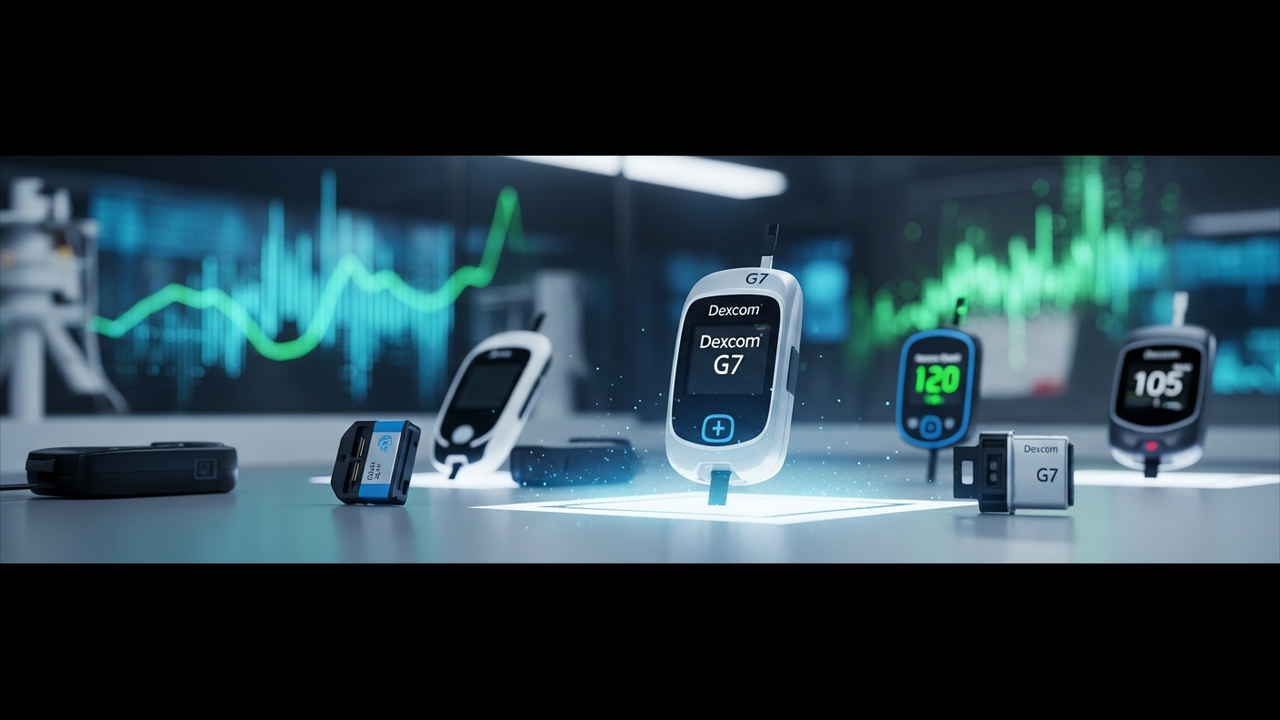
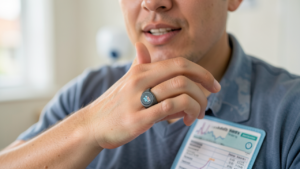
A comparative analysis of continuous glucose monitoring (CGM) devices published by GoodRx highlights the distinct advantage of the Dexcom G7 10-day sensor. This device stands out as the only one among its competitors—the Dexcom G7 15-day sensor and Eversense 365—to receive FDA approval for use in children aged 2 years and older. The other two devices are restricted to adults aged 18 and above, effectively consolidating choices for pediatric patients to the Dexcom G7 10-day sensor. Furthermore, the Dexcom G7’s non-invasive design, worn on the skin, allows for easy self-application at home, offering greater convenience compared to the implantable Eversense, which requires a surgical procedure.
Technical / Clinical Details
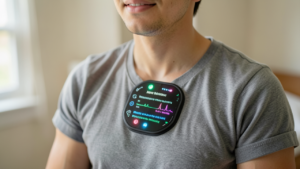
The Dexcom G7 10-day sensor involves a small, wearable sensor placed on the skin, which continuously measures glucose concentrations in the interstitial fluid for up to 10 days. The measurement data is wirelessly transmitted to a smartphone or dedicated receiver, displaying real-time glucose trends and fluctuations. This system has received FDA approval for providing accurate and reliable glucose data, particularly in pediatric patients aged 2 and older, making it a vital tool for caregivers to more effectively manage their children’s glucose levels. In contrast, the Eversense 365 is a sensor that can be implanted under the skin for up to 365 days, offering superior long-term monitoring but requiring medical professional intervention for implantation and removal. This distinction underscores the non-invasiveness and convenience of the Dexcom G7, particularly for pediatric patients and adults who prefer self-application.
Background & Context
Continuous glucose monitoring has fundamentally transformed glucose management for individuals with diabetes, contributing to improved treatment outcomes by reducing the risks of hypoglycemia and hyperglycemia. However, device selection is heavily influenced by age restrictions, application methods, wear duration, and overall convenience. For pediatric diabetic patients, especially younger age groups, there is a high demand for non-invasive devices that minimize physical burden. The FDA approval of the Dexcom G7 for children addresses this critical need, marking a significant milestone in enhancing accessibility and acceptance within pediatric diabetes management. Healthcare professionals are therefore tasked with understanding the unique characteristics of each CGM device to guide patients toward optimal choices based on age, lifestyle, and treatment goals.
Strategic Significance & Outlook
CGM technology is expected to continue evolving through further miniaturization, extended wear duration, and integration with artificial intelligence. The Dexcom G7’s established leadership in the pediatric market will likely influence future product development and market strategies. Anticipated advancements include the approval of more CGM devices for pediatric use and the introduction of even less invasive technologies. Furthermore, enhanced data analytics and interoperability with other digital health tools will make patient diabetes management more personalized and efficient. These developments are poised to further improve the quality of life for individuals with diabetes and their families, while also contributing to a reduction in the incidence of diabetes-related complications globally.
Source: https://www.goodrx.com/conditions/diabetes/dexcom-vs-eversense
Get our weekly technology intelligence — free
Receive an infographic that lets you judge at a glance whether each field’s analysis report is worth reading.
Subscribe Free — Weekly Tech Intelligence
By subscribing, you’ll receive Troy-Technical’s weekly technology intelligence newsletter.
- Your email and selected fields are used only to deliver the newsletter.
- We never share your information with third parties.
- You can unsubscribe anytime via the link in each email.
See our Privacy Policy for details.
Takes about a minute · Unsubscribe anytime




Comments