Key Findings
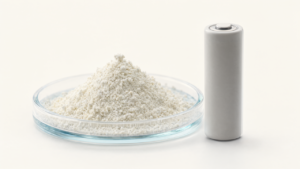
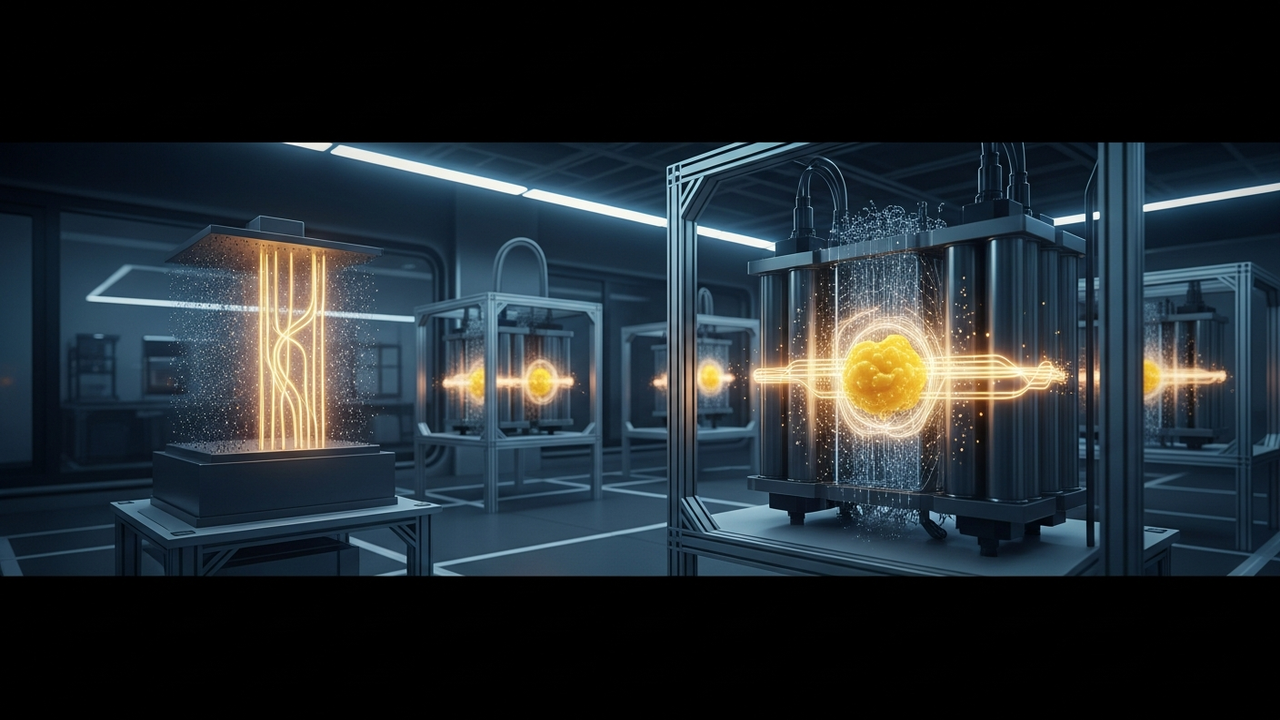
Recent research breakthroughs reveal an all-solid-state lithium-sulfur (Li-S) battery achieving an energy density of approximately 505 Wh/kg at the cell level. Concurrently, a quasi-solid-state battery developed by a Tsinghua University research team recorded an impressive 604 Wh/kg and 1,027 Wh/L, more than double the energy density of many conventional lithium-ion cells. These advancements significantly elevate the potential of next-generation battery technologies.
Technical/Clinical Details
All-solid-state lithium-sulfur batteries leverage solid electrolytes to replace flammable liquid ones and utilize a lightweight sulfur cathode, offering a very high theoretical energy density of 2,500 Wh/kg. The 505 Wh/kg achieved marks a significant step closer to this theoretical maximum. The Tsinghua University quasi-solid-state battery achieved its remarkable 604 Wh/kg and 1,027 Wh/L volumetric energy density by minimizing liquid electrolyte content while optimizing the properties of its solid electrolyte component. To put this in perspective, cutting-edge lithium-ion batteries currently in electric vehicles (EVs) typically offer 250-300 Wh/kg, demonstrating a dramatic performance improvement. This high energy density has the potential not only to significantly extend EV driving ranges but also to enable longer operational times for other applications like drones and mobile devices.
Background & Context
To accelerate the adoption of electric vehicles, enhancing battery energy density and extending driving range are critical. Conventional lithium-ion batteries are approaching their physical and chemical limits for performance improvement, necessitating the exploration of new materials and architectures. Lithium-sulfur and all-solid-state batteries are promising candidates, attracting substantial investment and research from institutions and corporations worldwide. Sulfur, in particular, is an attractive option due to its low cost and abundant availability, offering potential economic advantages.
Strategic Significance & Outlook
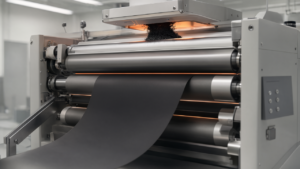
While these research achievements represent crucial progress towards practical high-energy-density batteries, numerous challenges remain in transitioning from lab-scale success to mass-produced EV packs. Specifically, extending cycle life, improving safety profiles, reducing manufacturing costs, and establishing scalable production techniques are essential. However, the overwhelming energy density demonstrated could alleviate ‘range anxiety’ in EVs and open new frontiers for battery technology. Continued R&D progress and accelerated commercialization through industrial collaboration are eagerly anticipated.
Get our weekly technology intelligence — free
Receive an infographic that lets you judge at a glance whether each field’s analysis report is worth reading.
Subscribe Free — Weekly Tech Intelligence
By subscribing, you’ll receive Troy-Technical’s weekly technology intelligence newsletter.
- Your email and selected fields are used only to deliver the newsletter.
- We never share your information with third parties.
- You can unsubscribe anytime via the link in each email.
See our Privacy Policy for details.
Takes about a minute · Unsubscribe anytime