Key Findings
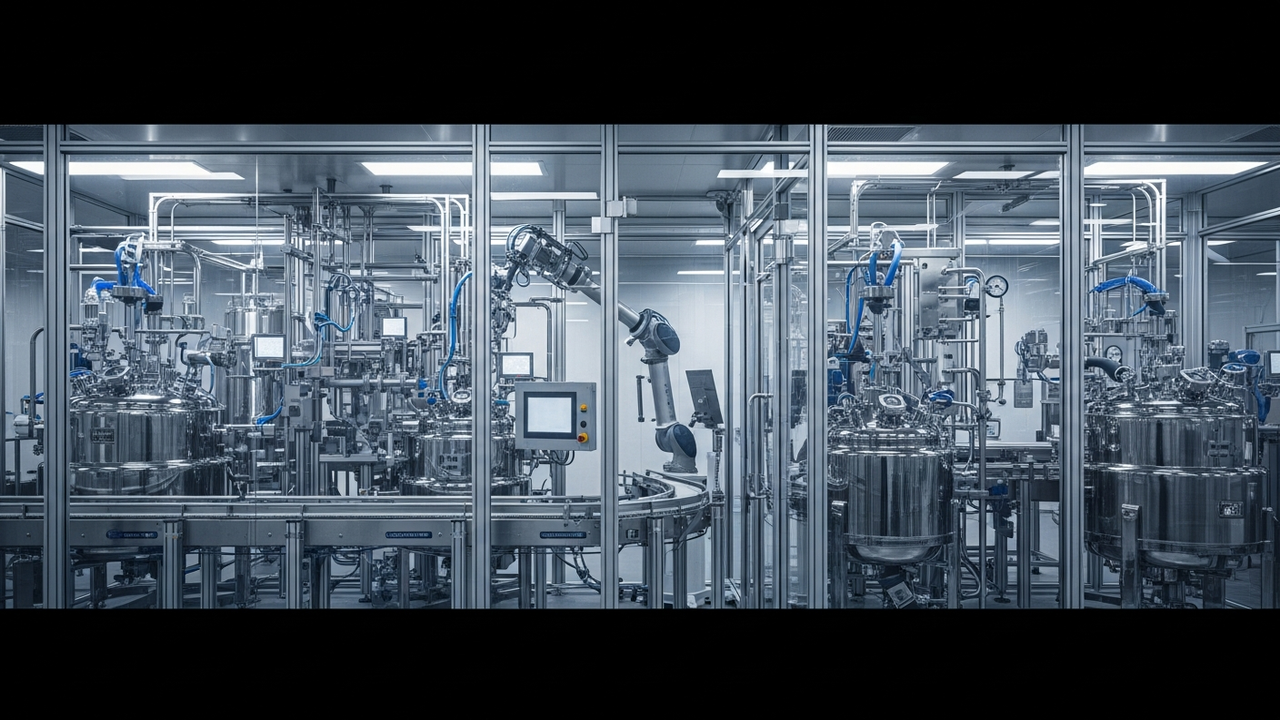
Contract Development and Manufacturing Organization (CDMO) strategies are undergoing a significant transformation to accommodate the burgeoning demand for next-generation biopharmaceuticals, particularly in the cell and gene therapy (CGT) sector. This evolution involves a shift towards comprehensive ‘end-to-end’ service models and substantial investments in automated, closed manufacturing systems designed to minimize contamination risks and ensure product consistency.
Technical / Clinical Details
Next-generation biopharmaceuticals, especially CGTs, demand highly specialized manufacturing capabilities due to their inherent complexity. CDMOs are adopting several technological advancements and strategic approaches to meet these demands:
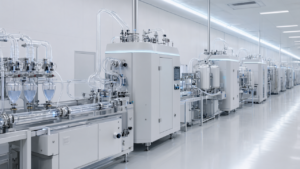
- End-to-End Service Models: These models cover the entire manufacturing spectrum, from early-stage research and development to commercial production, streamlining processes for drug developers and accelerating time-to-market.
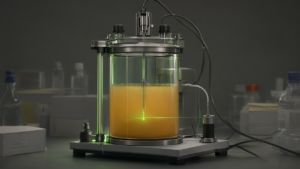
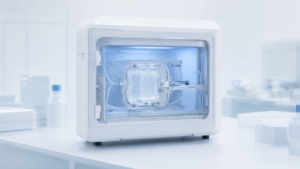
- Automated Closed Systems: Contamination poses a critical threat in CGT manufacturing. Automated closed systems are engineered to minimize exposure to external environments, ensuring product sterility and quality consistency. This approach also potentially reduces the stringent cleanroom classifications typically required for open processes.
- Specialized Viral Vector Manufacturing: Viral vectors, such as Adeno-Associated Virus (AAV) and lentiviral vectors, are crucial components for gene delivery in CGTs. CDMOs are heavily investing in technological development and infrastructure for efficient, large-scale production of these complex vectors.
- Quality Control and Regulatory Compliance: Strict adherence to global regulatory requirements, including Good Manufacturing Practice (GMP), and robust quality control systems are paramount for these advanced therapeutic products, ensuring safe and effective delivery to patients.
Background & Context
The biopharmaceutical industry is experiencing unprecedented growth, largely driven by the increasing number of CGT approvals, particularly in oncology and rare diseases. However, this rapid expansion has highlighted challenges such as manufacturing capacity shortages, complex supply chains, and a scarcity of highly skilled personnel. CDMOs play a crucial role in addressing these bottlenecks, allowing pharmaceutical companies to focus their internal resources on core R&D activities.
Strategic Significance & Outlook
The CDMO sector is expected to continue expanding its global presence and strengthening relationships with key suppliers to mitigate manufacturing capacity shortfalls and supply chain vulnerabilities. This will accelerate the development and commercialization of next-generation biopharmaceuticals, ultimately providing innovative therapies to a wider patient population. The evolution of CDMOs is a critical pillar supporting the growth and sustainability of the entire biopharmaceutical industry.
Source: https://www.worldpharmatoday.com/biopharma/cdmo-strategies-powering-the-next-gen-biopharma-surge/
Get our weekly technology intelligence — free
Receive an infographic that lets you judge at a glance whether each field’s analysis report is worth reading.
Subscribe Free — Weekly Tech Intelligence
By subscribing, you’ll receive Troy-Technical’s weekly technology intelligence newsletter.
- Your email and selected fields are used only to deliver the newsletter.
- We never share your information with third parties.
- You can unsubscribe anytime via the link in each email.
See our Privacy Policy for details.
Takes about a minute · Unsubscribe anytime