Key Findings
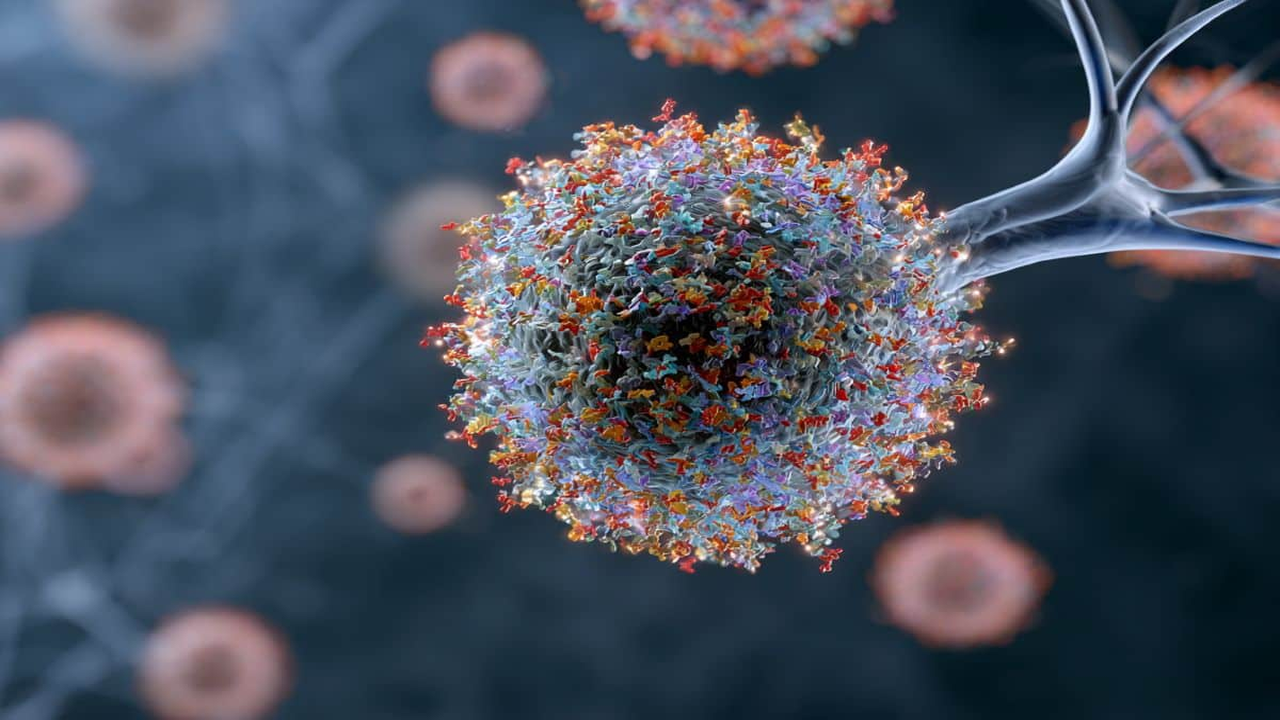
The blood-brain barrier (BBB), the most significant impediment to drug delivery in the brain, has severely restricted treatments for severe neurological conditions such as glioblastoma. Recent research has identified that the intracellular sorting of drug carriers after their uptake by BBB endothelial cells constitutes the most challenging bottleneck preventing therapeutic efficacy. Against this obstacle, nanomedicine is emerging as a promising solution, with the potential to be engineered to interact with the BBB’s natural transport pathways.
Technical/Clinical Details
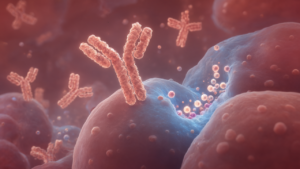
The BBB, formed by tightly connected brain endothelial cells and selective transport systems, protects the brain from harmful substances. However, this protective mechanism also obstructs the entry of many therapeutic agents, particularly macromolecules and gene therapies, posing a major barrier to treating central nervous system (CNS) diseases. The ‘intracellular sorting bottleneck’ identified in this study refers to the lack of efficient mechanisms for drug carriers (e.g., nanoparticles), once internalized by BBB endothelial cells, to avoid lysosomal degradation within the cytoplasm and be effectively transported to the brain parenchyma. To overcome this, nanomedicine allows for precise control over physicochemical properties such as size, surface charge, and ligand modifications. For instance, research is focusing on designing nanoparticles with ligands that recognize specific receptors (e.g., transferrin receptor) expressed on BBB endothelial cells. This promotes receptor-mediated endocytosis and further bypasses lysosomal pathways to facilitate cytoplasmic transport, thereby increasing the likelihood of drug-loaded nanoparticles effectively crossing the BBB and reaching brain tissue.
Background & Context
Glioblastoma is one of the most aggressive brain tumors, with a very poor prognosis despite current treatments (surgery, radiation therapy, chemotherapy). A major reason for this is the BBB’s obstruction of anticancer drug entry into the brain, preventing sufficient drug concentrations from reaching the tumor. Therefore, effective BBB penetration technology has been a top priority for improving treatment outcomes for glioblastoma and many other CNS diseases. Advances in nanotechnology have revolutionized the field of drug delivery systems (DDS), offering new tools to strategically bypass the BBB.
Strategic Significance & Outlook
Understanding the intracellular sorting bottleneck and applying nanomedicine holds significant potential for transforming the treatment of CNS diseases, including glioblastoma. Future research is expected to accelerate in further elucidating the intracellular transport mechanisms of drug carriers within BBB endothelial cells and optimally designing nanoparticles based on this knowledge. Nanomedicine is also anticipated to become a versatile platform capable of delivering not only small molecule drugs but also proteins, nucleic acids (siRNA, mRNA), and gene therapy vectors into the brain. This will significantly advance the development of safe and effective new treatments for brain disorders previously considered untreatable.
Source: https://neurosciencenews.com/protein-corona-blood-brain-barrier-nanomedicine-30953/
Get our weekly technology intelligence — free
Receive an infographic that lets you judge at a glance whether each field’s analysis report is worth reading.
Subscribe Free — Weekly Tech Intelligence
By subscribing, you’ll receive Troy-Technical’s weekly technology intelligence newsletter.
- Your email and selected fields are used only to deliver the newsletter.
- We never share your information with third parties.
- You can unsubscribe anytime via the link in each email.
See our Privacy Policy for details.
Takes about a minute · Unsubscribe anytime