Background
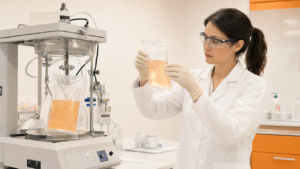
Natural Killer (NK) cells are emerging as a potent effector cell type in next-generation cancer immunotherapy, recognized for their innate capacity to eliminate tumor cells without prior sensitization. Despite their therapeutic promise, scaling the manufacturing of NK cells while maintaining high purity and consistent quality has remained a significant bottleneck for their commercialization. A strategic shift towards feeder-free and bioreactor-based cultivation methods is now directly addressing these challenges, paving the way for NK cell therapies to evolve from highly personalized treatments to more accessible ‘off-the-shelf’ solutions.
Key Findings
Achieving high-purity and scalable Natural Killer (NK) cell expansion for therapeutic applications hinges critically on optimizing both culture media and manufacturing platforms. The integration of feeder-free and advanced bioreactor systems, coupled with precise Interleukin-15 (IL-15) cytokine supplementation, are identified as pivotal strategies.
Feeder-free culture systems revolutionize traditional methods by eliminating the complexities, contamination risks, and lot-to-lot variability associated with feeder cells (e.g., K562 cells). This simplification enhances compliance with Good Manufacturing Practice (GMP) guidelines and significantly reduces manufacturing hurdles.
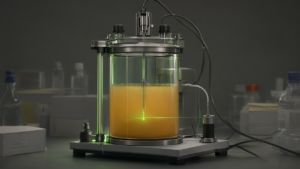
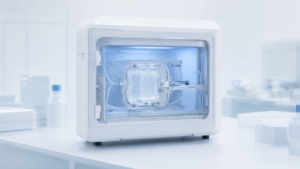
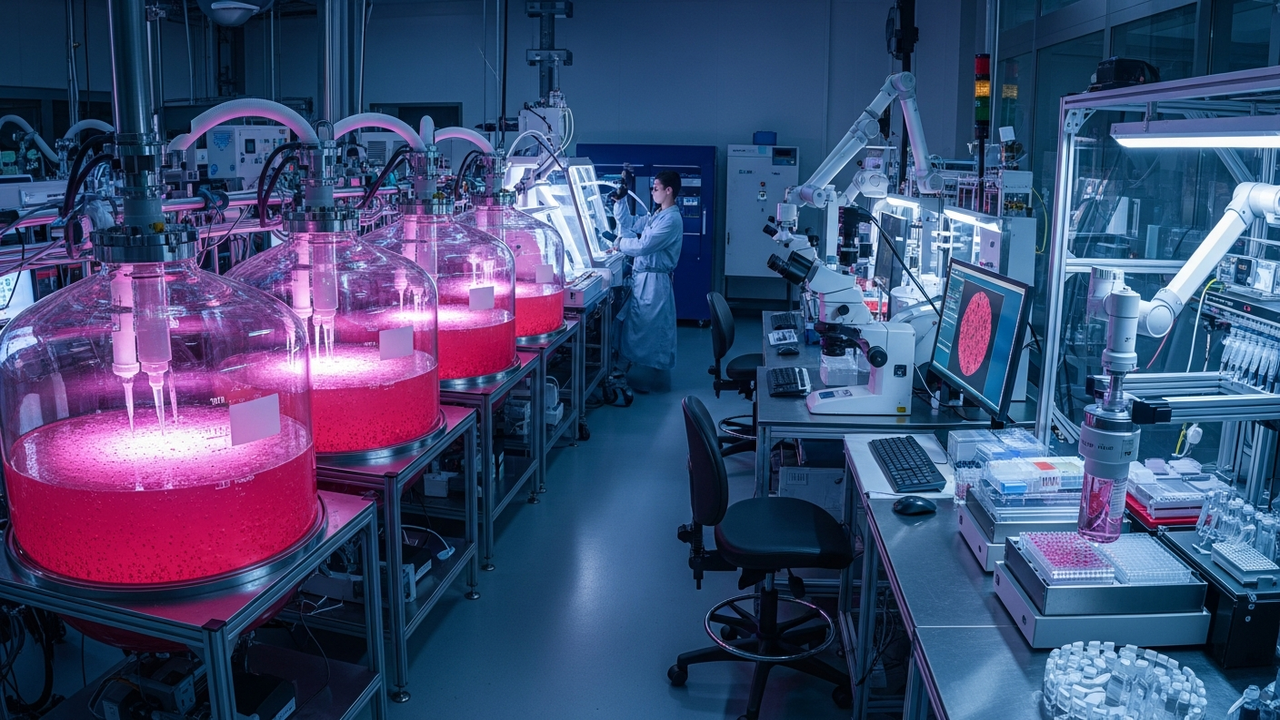
Furthermore, the **integration with bioreactor systems** provides a tightly controlled environment for cell growth, allowing for continuous monitoring and adjustment of critical parameters such as pH, dissolved oxygen, and nutrient levels. This capability facilitates high-density, large-scale expansion of NK cells while rigorously maintaining consistent product quality and desired phenotype.
Crucially, **optimizing IL-15 cytokine supplementation** within these bioreactor systems is essential. IL-15 is a potent cytokine vital for NK cell proliferation, survival, and sustained anti-tumor activity. Precise control over its concentration and delivery kinetics can significantly maximize NK cell yield and functional potency, directly impacting the quality of clinical-grade NK cell products. The careful design of cytokine cocktails is a determinant factor in achieving superior NK cell products.
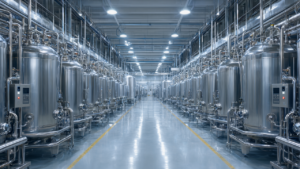
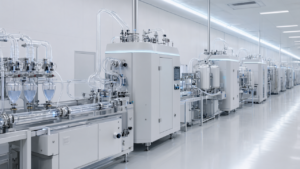
These technological advancements, particularly when integrated into automated, closed systems, are expected to significantly lower the cost of NK cell therapies, making them more widely accessible. This evolution promises to maximize the therapeutic potential of NK cells, enabling the development of novel treatment strategies for a broad range of malignancies, including challenging solid tumors, and robustly bolstering the commercial viability of NK cell therapeutics.
Source: https://int.livhospital.com/how-to-choose-the-best-nk-cell-culture-medium/
Get our weekly technology intelligence — free
Receive an infographic that lets you judge at a glance whether each field’s analysis report is worth reading.
Subscribe Free — Weekly Tech Intelligence
By subscribing, you’ll receive Troy-Technical’s weekly technology intelligence newsletter.
- Your email and selected fields are used only to deliver the newsletter.
- We never share your information with third parties.
- You can unsubscribe anytime via the link in each email.
See our Privacy Policy for details.
Takes about a minute · Unsubscribe anytime