Background
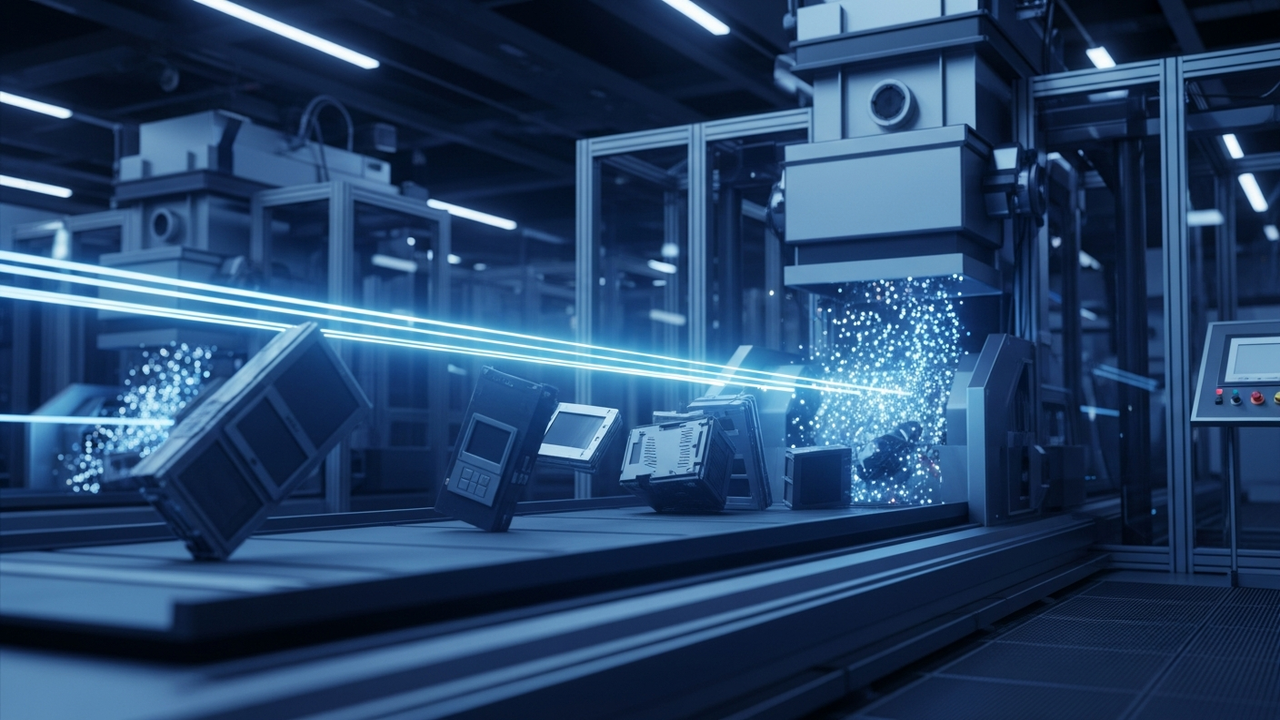
Global economies face significant economic security risks from critical raw material supply disruptions. Many essential materials, vital for digitalization and the green energy transition, are concentrated geographically, making them vulnerable to geopolitical tensions and supply chain instabilities. The EU aims to counter this import dependency and bolster its industrial base through a circular economy, with e-waste recycling offering lower environmental impact and efficient resource utilization compared to new mining, addressing both sustainability and economic security objectives.
Key Findings
Ahead of the Advanced Materials Act, expected to be implemented later this year, the European Commission’s scientific advisory mechanism has issued a pivotal recommendation: industrial-scale e-waste recycling for critical material recovery is a more realistic and crucial pathway to achieving EU ‘strategic autonomy’ than new mining operations. This directive provides a clear strategic direction for the EU to substantially reduce its import dependency for key materials and build robust, sustainable supply chains.
Technical Details
Strategic autonomy is defined as Europe’s capability to develop, assess, and deploy critical materials in alignment with its values and public interest. To achieve this, the advisory mechanism proposes several concrete measures: establishing a shared European data space for materials research to enhance data accessibility for researchers and industry, fostering collaborative innovation; integrating safety and sustainability criteria from the initial design phase of materials to reduce environmental impact throughout the product lifecycle; and building a strong innovation ecosystem to accelerate the rapid market introduction of research breakthroughs, strengthening ties between academia and industry.
Strategic Outlook
These recommendations are expected to significantly influence the Advanced Materials Act’s final content. Through this legislation, the EU intends to support innovation across the entire materials lifecycle, with a particular focus on enhancing investment in recycling and resource recovery technologies. This comprehensive approach is designed to establish a sustainable material supply system. Ultimately, the EU anticipates securing its leadership in material supply for future technological innovations, thereby maintaining and enhancing its global competitiveness.
Source: #
Get our weekly technology intelligence — free
Receive an infographic that lets you judge at a glance whether each field’s analysis report is worth reading.
Subscribe Free — Weekly Tech Intelligence
By subscribing, you’ll receive Troy-Technical’s weekly technology intelligence newsletter.
- Your email and selected fields are used only to deliver the newsletter.
- We never share your information with third parties.
- You can unsubscribe anytime via the link in each email.
See our Privacy Policy for details.
Takes about a minute · Unsubscribe anytime







Comments