Key Findings
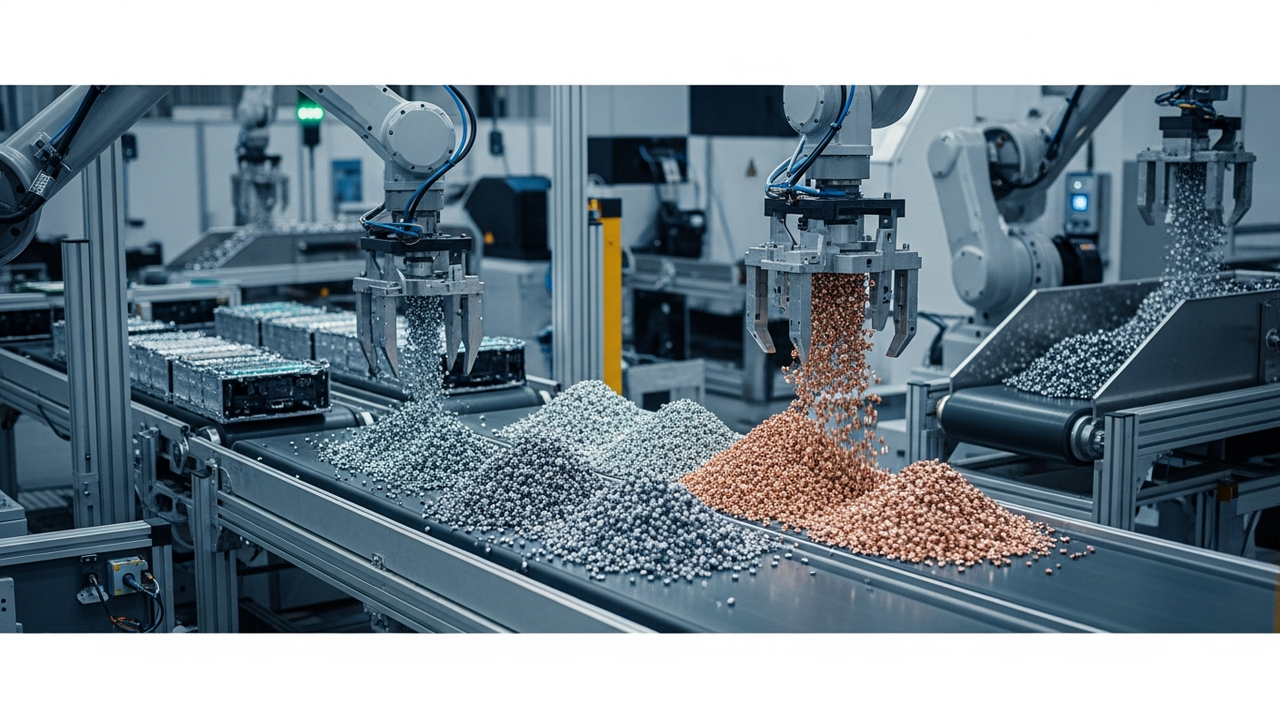
In 2026, lithium-ion battery recycling has undergone a significant transformation, evolving beyond mere waste disposal into a strategic process for critical material recovery. This evolution is accelerated by the growing volume of end-of-life electric vehicle (EV) batteries, manufacturing scrap, and increasingly stringent global environmental regulations. Notably, advancements in hydrometallurgical recycling techniques have achieved impressive recovery rates of 95% for lithium and cobalt, and 97% for nickel, effectively converting what was once hazardous waste into valuable revenue streams.
Technical / Clinical Details
The primary recycling methods for lithium-ion batteries include pyrometallurgy and hydrometallurgy. Hydrometallurgical processes typically involve mechanically shredding batteries, followed by the leaching of valuable metals using acids, and subsequent separation and recovery of individual metals through solvent extraction or precipitation. Recent enhancements in this method have enabled the recovery of critical battery materials such as lithium, cobalt, nickel, and manganese with high purity and exceptional efficiency. Specifically, recovery rates of 95% for lithium and cobalt, and 97% for nickel, represent a groundbreaking improvement over conventional processes. This significantly reduces the environmental impact associated with raw material mining and lessens dependence on scarce resources. The recovered materials are directly re-integrated into the manufacturing of new batteries, fostering a circular economy model.
Background & Context
The burgeoning adoption of electric vehicles and the widespread deployment of Battery Energy Storage Systems (BESS) for grid stabilization have led to an unprecedented surge in demand for lithium-ion batteries. This surge brings with it concerns about the supply risk and price volatility of critical metals like lithium, nickel, and cobalt. Concurrently, there is a rising legal and ethical imperative to minimize the environmental footprint of spent batteries and maximize resource utilization. Global regulatory frameworks, such as the strengthened EU Battery Regulations for 2026, are setting mandatory recycling obligations and recovery targets, elevating the recycling industry from a purely environmental measure to a strategic pillar for economic security and sustainable industrial development.
Strategic Significance & Outlook
The advancements in lithium-ion battery recycling technologies and the improved recovery rates significantly bolster the resilience of the battery supply chain and represent a crucial step towards realizing a circular economy. Establishing highly efficient recycling processes will reduce the overall environmental footprint across the battery lifecycle and attract further investment into building robust new supply chains. Moving forward, recycling technologies are expected to evolve further, accommodating a wider range of battery chemistries and achieving even higher purity and efficiency in material recovery. Innovation in this sector is an indispensable factor in accelerating the transition towards sustainable mobility and energy systems worldwide.
Source: https://www.tyichemical.com/lithium-ion-battery-recycling-in-2026-an-overview/
Get our weekly technology intelligence — free
Receive an infographic that lets you judge at a glance whether each field’s analysis report is worth reading.
Subscribe Free — Weekly Tech Intelligence
By subscribing, you’ll receive Troy-Technical’s weekly technology intelligence newsletter.
- Your email and selected fields are used only to deliver the newsletter.
- We never share your information with third parties.
- You can unsubscribe anytime via the link in each email.
See our Privacy Policy for details.
Takes about a minute · Unsubscribe anytime








Comments