Key Findings
CATL has introduced two high-capacity energy storage systems, TENER+ and TENER Sodium, designed for the Australian market’s extreme weather and grid requirements. To support the deployment of these technologies, CATL entered into three Memoranda of Understanding (MoU) with Hitachi Energy, EPEC Group, and UNSW Sydney. These partnerships focus on integrated power conversion solutions, technical validation for grid compatibility, and the establishment of the Centre for Integrated Renewable Energy Training and Innovation in Western Sydney.
Technical Details
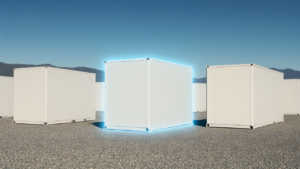
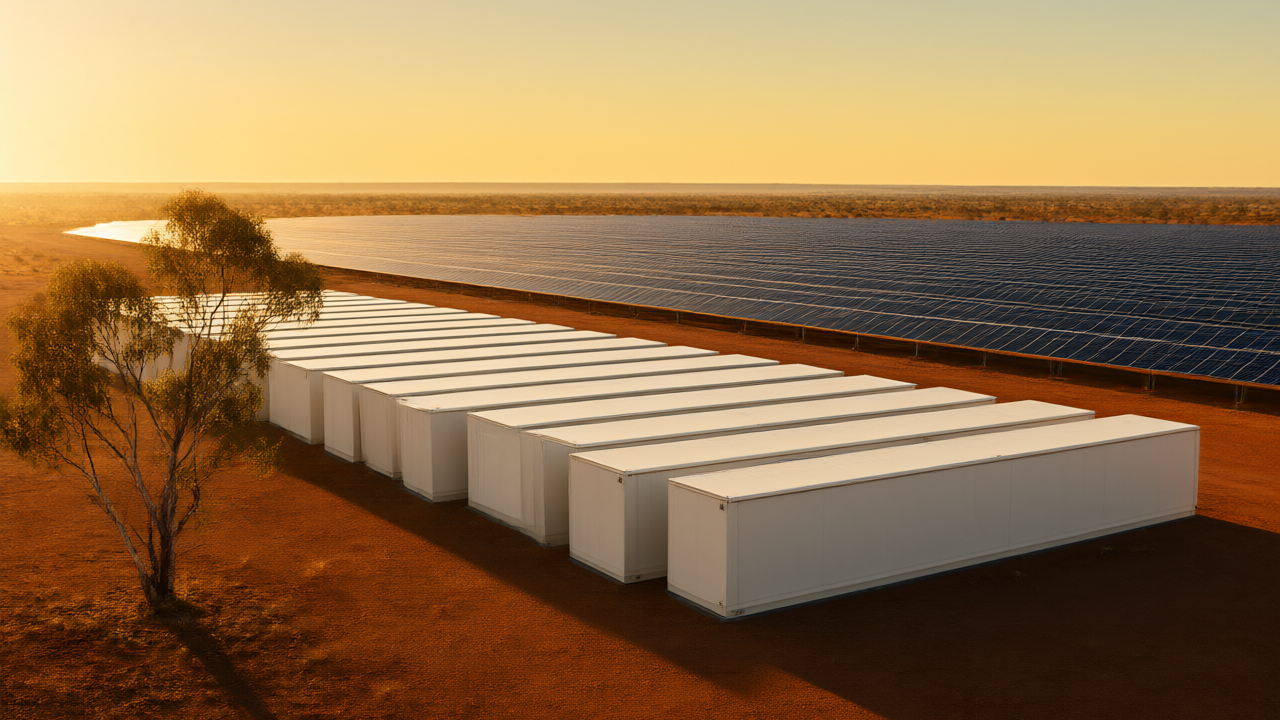
The TENER+ is a 9MWh ultra-large capacity system utilizing liquid cooling. It is designed for a 25-year lifespan and reduces the required number of containers by up to 40% and project footprint by 12%. To prevent the “heat island effect,” it employs an upward exhaust system to minimize thermal impact on adjacent PCS units, maintaining rated output during extreme summer conditions. Noise levels are kept below 65dBA at one meter.
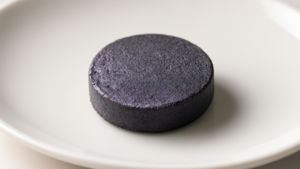
The TENER Sodium is a mass-produced sodium-ion battery system with a modular structure providing over 30MWh. It operates at temperatures up to 55°C and achieves over 10,000 cycles at 45°C. The system features a round-trip efficiency of 95% and a lifespan exceeding 20 years.
Background and Context
As of September 2026, renewable energy accounted for 44.3% of generation in the National Electricity Market (NEM). According to the Australian Energy Market Operator (AEMO), grid-scale batteries have begun to outperform gas-fired power in supplying peak nighttime generation, contributing 8% of that load. This shift, combined with the decommissioning of coal plants, increases the demand for energy storage systems with grid-forming capabilities to stabilize voltage and frequency.
Significance and Outlook
By offering both lithium-ion and sodium-ion technologies, CATL provides developers flexibility in supply chain sourcing, as sodium is more geographically abundant than lithium. CATL currently holds a leading global market share, projected to reach 30.4% in 2025 by SNE Research, with over 17GWh of installed capacity in Australia.
Source: https://www.jiji.com/jc/article?k=3KzK6NEk&g=prn
Get our weekly technology intelligence — free
Receive an infographic that lets you judge at a glance whether each field’s analysis report is worth reading.
Subscribe Free — Weekly Tech Intelligence
By subscribing, you’ll receive Troy-Technical’s weekly technology intelligence newsletter.
- Your email and selected fields are used only to deliver the newsletter.
- We never share your information with third parties.
- You can unsubscribe anytime via the link in each email.
See our Privacy Policy for details.
Takes about a minute · Unsubscribe anytime