Key Findings
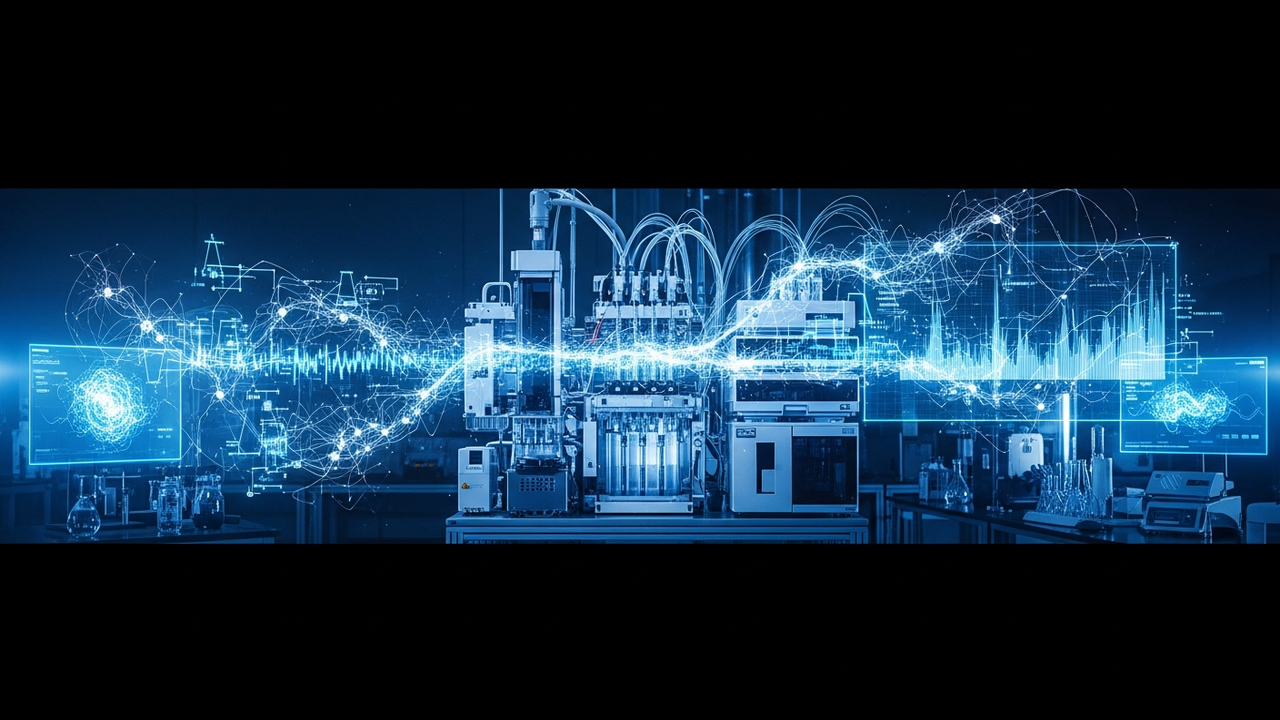
A recent article in Separation Science highlights a groundbreaking application of artificial intelligence (AI) and machine learning (ML) to optimize Protein A chromatography, a critical step in monoclonal antibody (mAb) purification. This integration promises significant improvements in both the yield and purity of therapeutic antibodies.
Technical / Clinical Details
This novel approach employs AI models to accurately predict the dynamic binding capacity (DBC) and breakthrough points of Protein A columns. This predictive capability allows researchers and engineers to precisely optimize the antibody loading onto the column, ensuring maximum resource utilization and minimal product loss. The AI analyzes complex process data in real-time, automating decisions related to yield and purity, and dynamically adjusting purification protocols without human intervention. This facilitates a crucial shift from traditional batch process optimization to real-time model predictive control in a continuous manufacturing environment. Such precise control at the chromatography step reduces waste, ensures consistent product quality, and directly contributes to lower manufacturing costs.
Background & Context
Monoclonal antibodies are widely used as therapeutics for a broad range of diseases, and their global demand is steadily increasing. However, mAb manufacturing, particularly the purification stage, remains a significant bottleneck due to its cost and time requirements. Protein A chromatography is the industry standard for mAb purification, but its optimization has historically relied on empirical methods and extensive trial-and-error. The introduction of AI and ML brings a scientific, data-driven approach to this purification step, promising deeper process understanding and enhanced efficiency. This technology aligns well with Industry 4.0 principles in biopharmaceutical manufacturing and the regulatory push for real-time release strategies.
Strategic Significance & Outlook
AI/ML-driven optimization in Protein A chromatography has the potential to redefine the efficiency of biopharmaceutical manufacturing as a whole. As this technology becomes more widespread, it is expected to lead to reduced production costs for mAbs, thereby increasing patient access to these vital therapeutics. In the future, this real-time model predictive control is anticipated to extend to other biopurification steps, accelerating the realization of fully continuous manufacturing. This represents a significant advancement, shortening lead times from drug development to supply and contributing to faster patient access and accelerated medical innovation.
Get our weekly technology intelligence — free
Receive an infographic that lets you judge at a glance whether each field’s analysis report is worth reading.
Subscribe Free — Weekly Tech Intelligence
By subscribing, you’ll receive Troy-Technical’s weekly technology intelligence newsletter.
- Your email and selected fields are used only to deliver the newsletter.
- We never share your information with third parties.
- You can unsubscribe anytime via the link in each email.
See our Privacy Policy for details.
Takes about a minute · Unsubscribe anytime









Comments