Key Findings
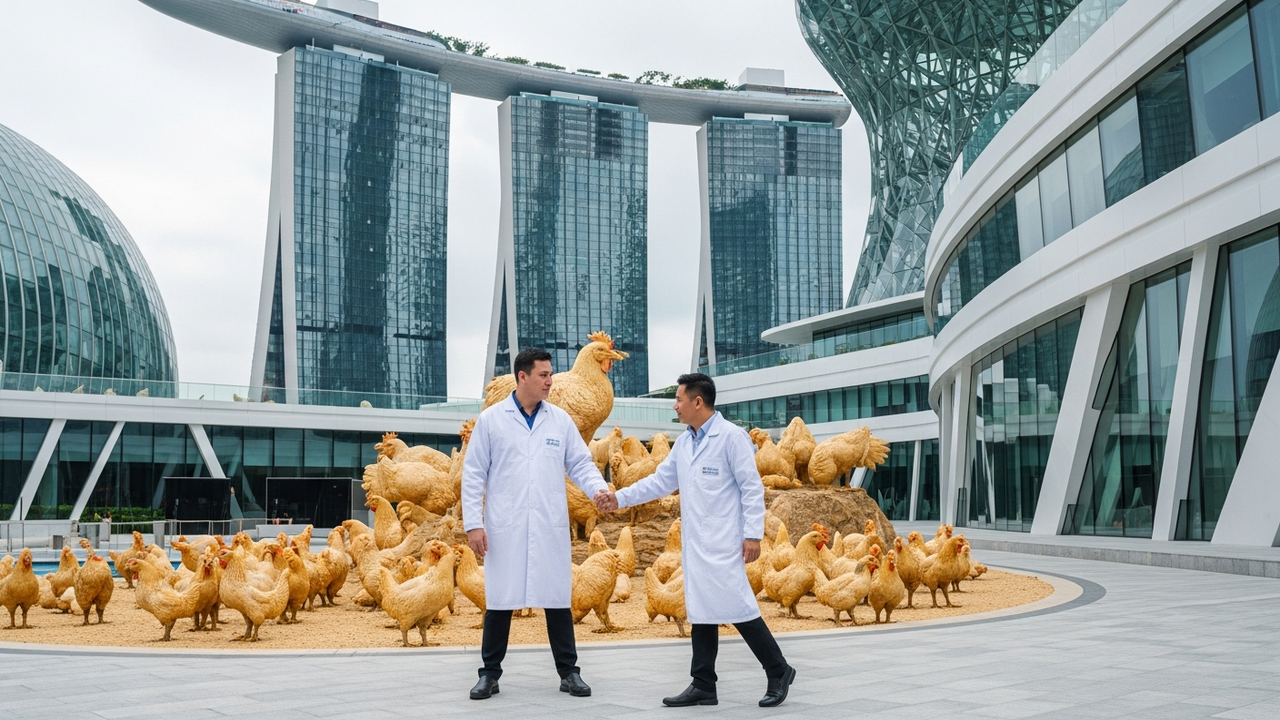
In a historic move in December 2020, Singapore became the first country worldwide to grant regulatory approval for the commercial sale of cultivated meat. This pioneering decision allowed for the market entry of ‘Good Meat’ chicken, produced by San Francisco-based Eat Just from cultured cells in a bioreactor, initially served in a select Singaporean restaurant. This event marked a significant turning point for the future of food production.
Technical / Clinical Details
The ‘Good Meat’ cultivated chicken is produced by growing animal cells in a bioreactor, a process that bypasses the need for traditional animal husbandry, antibiotics, and slaughter. The Singapore Food Agency (SFA) conducted an extensive safety review, evaluating comprehensive data submitted by Eat Just, and concluded that the cultivated meat was safe for human consumption. While regulatory approvals are also progressing in the United States and Israel, the high production costs of cultivated meat remain a substantial challenge in competing with conventional meat products. Achieving price parity or even cost-effectiveness requires further technological advancements in scalable cell culture techniques and optimization of bioreactor efficiency.
Background & Context
The growing global population exacerbates demand for food, particularly protein sources, placing immense pressure on conventional agriculture. Traditional livestock farming faces numerous challenges, including environmental impact (greenhouse gas emissions, water consumption, land use), animal welfare concerns, and food security issues. Cultivated meat emerges as a promising sustainable solution to these challenges, with the potential to usher in a paradigm shift in the meat industry. Singapore’s approval underscored cultivated meat’s transition from scientific curiosity to a commercially viable food product, setting a global precedent.
Strategic Significance & Outlook
Following Singapore’s lead, cultivated meat is advancing through regulatory approval processes in various countries worldwide. Its future adoption hinges on continued efforts to reduce production costs, enhance consumer acceptance, and clarify public understanding of terms like ‘cultivated meat.’ If the challenges of high costs and large-scale production can be overcome through sustained technological innovation, cultivated meat is poised to play a vital role in our food system. Ultimately, cultivated meat is expected to become a common dietary component, contributing to a more sustainable and ethical global food supply.
Get our weekly technology intelligence — free
Receive an infographic that lets you judge at a glance whether each field’s analysis report is worth reading.
Subscribe Free — Weekly Tech Intelligence
By subscribing, you’ll receive Troy-Technical’s weekly technology intelligence newsletter.
- Your email and selected fields are used only to deliver the newsletter.
- We never share your information with third parties.
- You can unsubscribe anytime via the link in each email.
See our Privacy Policy for details.
Takes about a minute · Unsubscribe anytime









Comments