
Key Findings
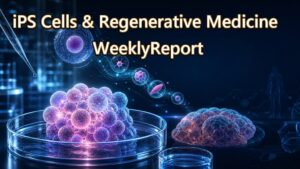
At the International Society for Stem Cell Research (ISSCR) annual meeting on July 9, 2026, new data were presented from the first clinical trial (Phase 1b/2a REGEN4HD study) investigating pluripotent stem cell (PSC)-derived neural stem cell therapy for Huntington’s Disease (HD). This marks a significant step forward in translating regenerative medicine approaches to a devastating neurodegenerative condition.
Technical / Clinical Details
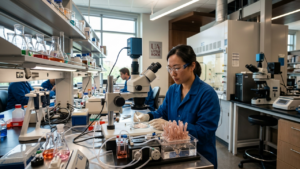
The REGEN4HD trial focuses on transplanting neural stem cells, precisely differentiated from human PSCs, into the brains of HD patients. Early presentations suggest a favorable safety profile, consistent with extensive preclinical evaluation, and hint at promising preliminary indications in the initial patient cohort. This therapeutic strategy aims to replace neurons lost due to HD, potentially slowing disease progression or mitigating symptoms. The trial design prioritizes initial assessment of safety and tolerability in a small group of patients, followed by exploratory analyses of efficacy signals.
Background & Context
Huntington’s Disease is a hereditary neurodegenerative disorder characterized by progressive motor dysfunction, cognitive decline, and psychiatric symptoms, for which no curative treatment currently exists. Existing therapies are palliative, focusing solely on symptom management, which imposes a profound burden on patients and their families. Regenerative medicine using PSC-derived cells offers a transformative approach by aiming to replace or repair damaged tissues and cells. The progression of this trial into clinical phases underscores the fruition of years of foundational and translational research, garnering significant attention from both academic and biopharmaceutical sectors.
Strategic Significance & Outlook
The REGEN4HD study is ongoing, with further safety and efficacy data anticipated. These initial findings are crucial for supporting progression to larger clinical trials and hold the potential to redefine the therapeutic landscape for Huntington’s Disease. Furthermore, insights gained from this research are expected to inform the development of PSC-based treatments for other neurodegenerative disorders, such as Parkinson’s and Alzheimer’s diseases, establishing a broader impact on brain repair strategies.
Source: #
Get our weekly technology intelligence — free
Receive an infographic that lets you judge at a glance whether each field’s analysis report is worth reading.
Subscribe Free — Weekly Tech Intelligence
By subscribing, you’ll receive Troy-Technical’s weekly technology intelligence newsletter.
- Your email and selected fields are used only to deliver the newsletter.
- We never share your information with third parties.
- You can unsubscribe anytime via the link in each email.
See our Privacy Policy for details.
Takes about a minute · Unsubscribe anytime



Comments