Key Findings: Master Bond Achieves ISO 10993-5 Biocompatibility with Dual-Cure Adhesive UV26DCMed for Medical Devices
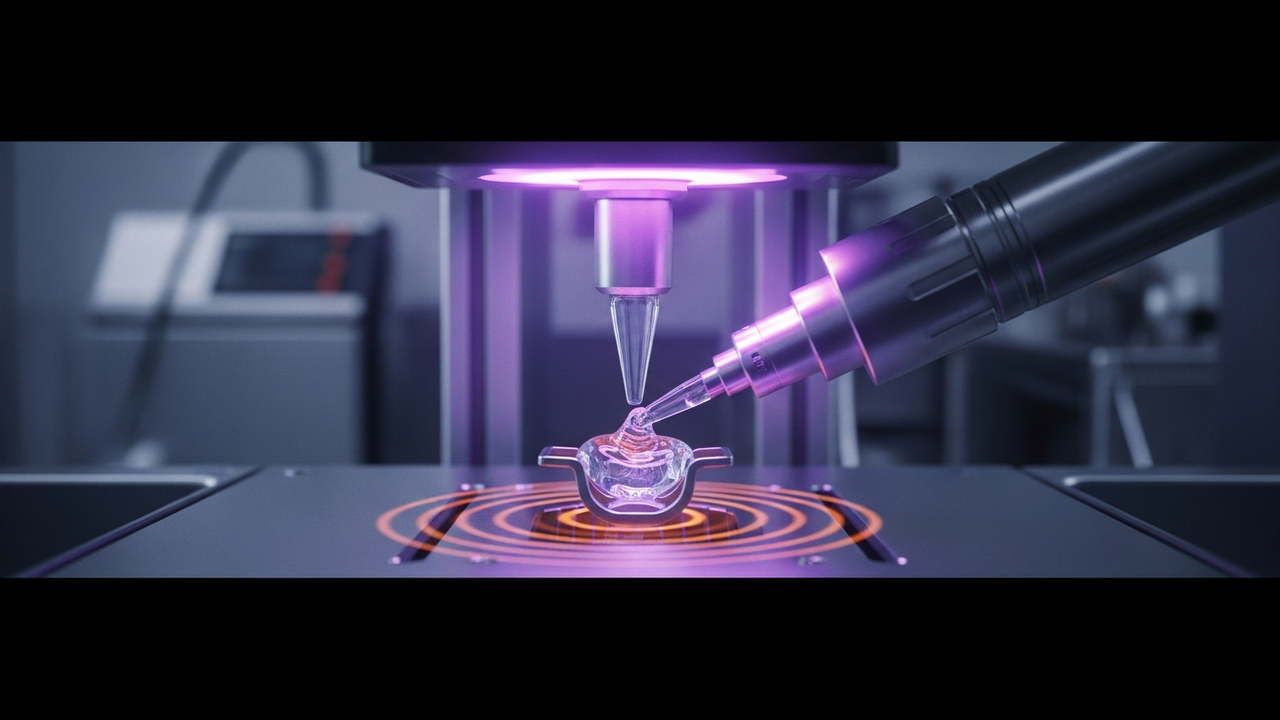
Master Bond has unveiled UV26DCMed, a groundbreaking single-component dual-cure adhesive system designed to meet the rigorous demands of advanced medical device manufacturing. This innovative product combines rapid initial curing via UV light with subsequent thermal curing, ensuring complete polymerization even in shadowed areas or where light penetration is limited. A critical achievement is its compliance with ISO 10993-5 cytotoxicity testing, a primary requirement for medical device biocompatibility.
Technical & Clinical Details
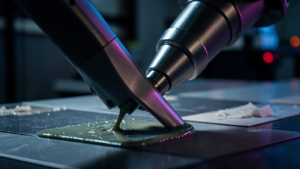
- Dual-Cure Mechanism: UV26DCMed first undergoes rapid surface curing upon exposure to UV light (320-365nm for seconds), allowing for quick component positioning and tacking. Full and robust curing is then achieved through heat exposure (80°C to 125°C), which is essential for ensuring superior strength and durability in complex geometries or with opaque substrates common in medical devices.
- Biocompatibility and Sterilization Resistance: The adhesive meets ISO 10993-5 biological evaluation requirements, confirming its safety for medical applications. Furthermore, it demonstrates excellent resistance to common sterilization methods for reusable devices, including steam autoclaving, ethylene oxide (EtO), and glutaraldehyde. This resistance is crucial for maintaining device integrity and performance through multiple sterilization cycles, contributing to extended product lifespan and cost-effectiveness.
- Superior Adhesion and Properties: UV26DCMed provides high bond strength to a variety of medical-grade substrates, such as polycarbonates, stainless steel, glass, and ceramics. It also features low shrinkage, high dimensional stability, and excellent chemical resistance, making it suitable for a wide range of demanding medical device applications.
Background & Industry Context
The medical device industry is characterized by continuous advancements in device complexity and miniaturization, alongside increasingly stringent safety and reliability requirements for both disposable and reusable instruments. For devices that may contact the human body, such as surgical tools, diagnostic equipment, catheters, and dialysis machines, the biocompatibility of materials and their ability to withstand repeated sterilization processes are paramount. Traditional adhesives often struggle to meet this confluence of high-performance and regulatory demands.
Strategic Significance & Outlook
The introduction of innovative dual-cure adhesives like UV26DCMed provides medical device manufacturers with greater design flexibility and enhanced manufacturing process efficiency. This innovation can accelerate product development cycles and time-to-market. By ensuring higher reliability and safety in medical devices, it also contributes to improved patient outcomes and optimized healthcare costs. Master Bond’s consistent focus on advanced materials for the medical sector reinforces its position as a leading provider of specialized adhesive solutions in this critical industry.
Get our weekly technology intelligence — free
Receive an infographic that lets you judge at a glance whether each field’s analysis report is worth reading.
Subscribe Free — Weekly Tech Intelligence
By subscribing, you’ll receive Troy-Technical’s weekly technology intelligence newsletter.
- Your email and selected fields are used only to deliver the newsletter.
- We never share your information with third parties.
- You can unsubscribe anytime via the link in each email.
See our Privacy Policy for details.
Takes about a minute · Unsubscribe anytime



Comments