Key Findings
On July 9, 2026, the International Society for Stem Cell Research (ISSCR) 2026 annual meeting extensively showcased the latest innovations and technical advancements in organoid technology. Particular emphasis was placed on the critical importance of organoid systems generated from induced pluripotent stem cells (iPSCs) and adult stem cells as exceptionally powerful tools for modeling complex human organ development and diverse disease pathologies.
Technical / Clinical Details
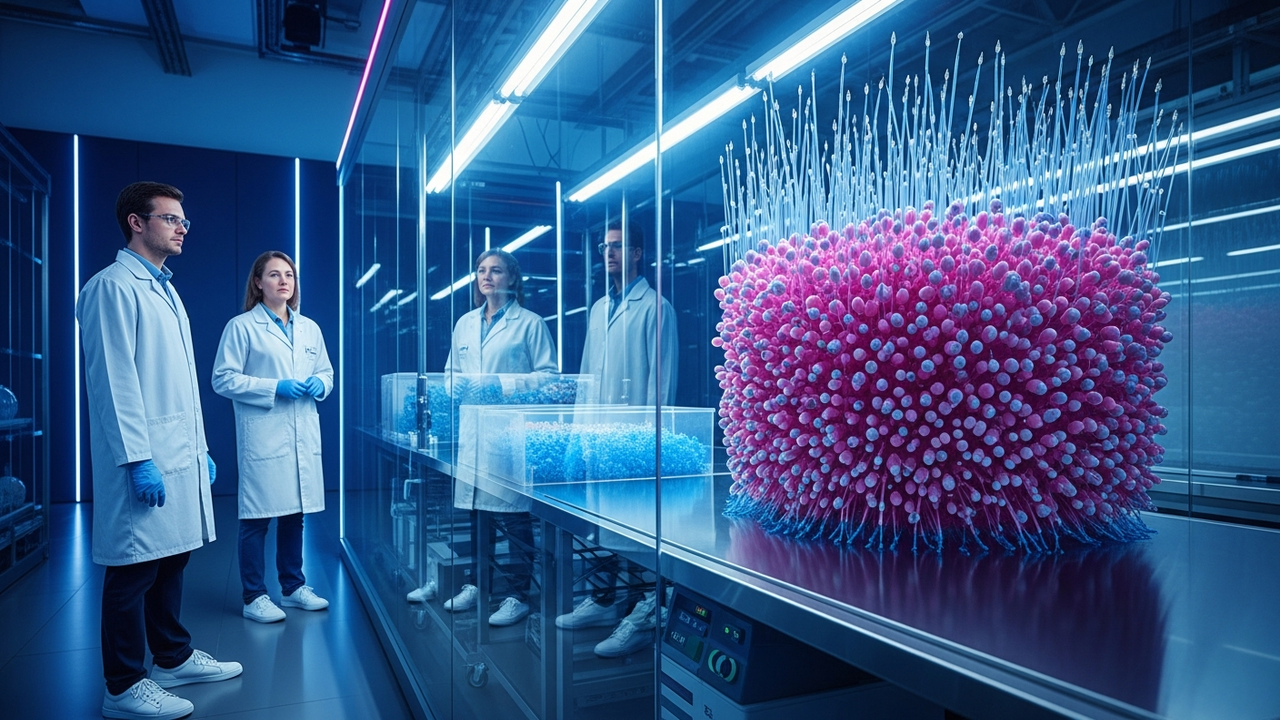
Organoids are 3D micro-organs that structurally and functionally resemble in vivo organs, cultured in vitro from self-organizing stem cells. At ISSCR 2026, the following key aspects were highlighted:
- iPSC-Derived Organoids: Organoids differentiated from patient-specific iPSCs serve as disease models reflecting individual patient genetic backgrounds, making them indispensable tools for personalized medicine and drug screening. Progress in generating and applying iPSC-derived organoids for various organ types, including brain, gut, and kidney organoids, was a major theme.
- Adult Stem Cell-Derived Organoids: Organoids generated from adult stem cells isolated from mature tissues (e.g., intestinal stem cells) offer the potential to recapitulate more mature physiological characteristics, making them suitable for studying specific disease pathophysiologies and evaluating drug responses.
- Function as Multicellular Systems: These organoids exhibit complex cell-cell interactions, tissue architecture, and functional responses that cannot be reproduced in conventional 2D cell cultures. This deeper insight enhances our understanding of developmental biology, disease initiation mechanisms, and drug mechanisms of action.
Background & Context
Traditional 2D cell cultures and animal models have limitations in fully reproducing human physiological and pathological complexity. Organoid technology has rapidly developed over recent years to bridge this gap. Particularly, its integration with iPSC technology has enabled the creation of ‘patient-derived organoids’ that faithfully recapitulate specific patient diseases, significantly contributing to the advancement of personalized medicine. In the pharmaceutical industry, the use of organoids for efficient screening of new drug candidates and toxicity assessment is expanding, promising reduced development timelines and costs.
Strategic Significance & Outlook
The progress in organoid research demonstrated at ISSCR 2026 will profoundly impact disease research, drug discovery, and regenerative medicine. Future focus areas include evaluating gene therapy efficacy using organoids, exploring their use as new sources for cell therapy, and standardizing them as disease models. Despite remaining challenges such as vascularization and immune system integration, the combination with technologies like 3D bioprinting may lead to the creation of more complex and functional organoids, potentially paving the way for transplantable artificial organs in the future. Organoids are set to continue playing a central role in the deep integration of stem cell science into clinical applications.
Source: #
Get our weekly technology intelligence — free
Receive an infographic that lets you judge at a glance whether each field’s analysis report is worth reading.
Subscribe Free — Weekly Tech Intelligence
By subscribing, you’ll receive Troy-Technical’s weekly technology intelligence newsletter.
- Your email and selected fields are used only to deliver the newsletter.
- We never share your information with third parties.
- You can unsubscribe anytime via the link in each email.
See our Privacy Policy for details.
Takes about a minute · Unsubscribe anytime

Comments