Key Findings
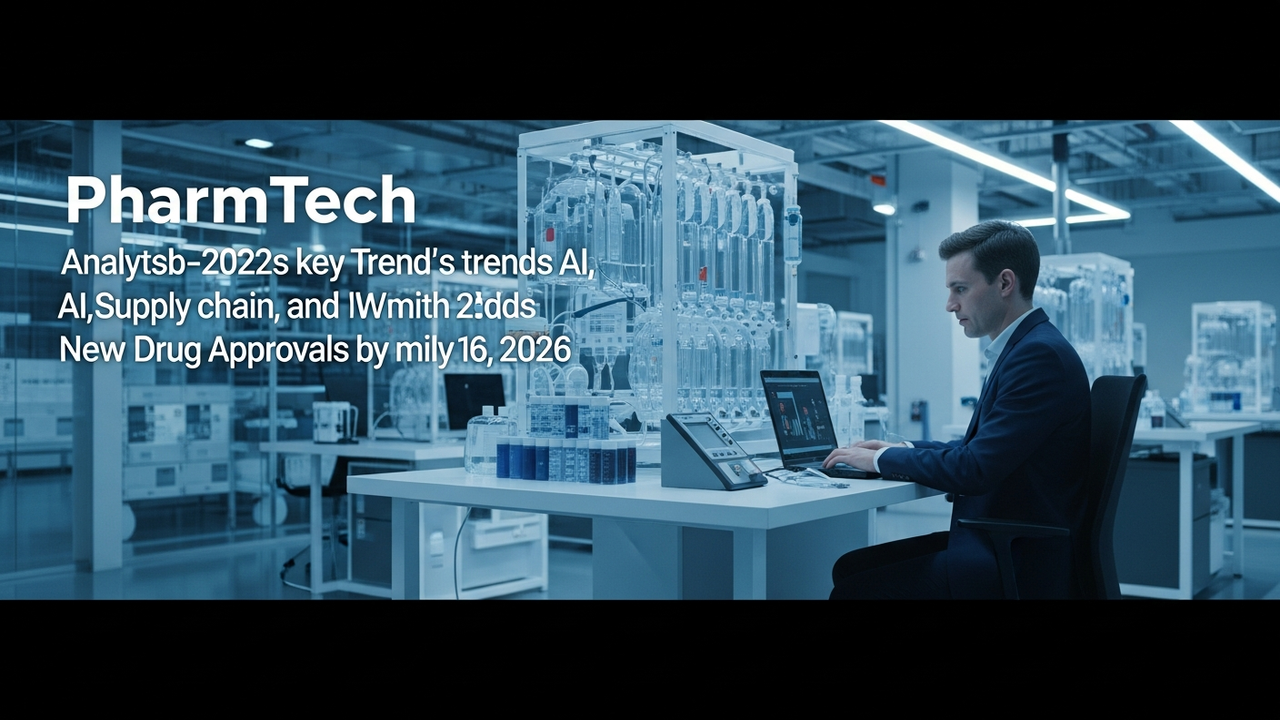
PharmTech released its ‘Midyear 2026 Check-in’ report, outlining key trends in the pharmaceutical industry. The report emphasizes that the integration of Artificial Intelligence (AI) into drug discovery and manufacturing processes, the strengthening of global supply chain resilience, and the dynamics of new drug approvals are driving industry transformation.
Technical / Clinical Details
The report provides a detailed analysis of AI’s increasing influence at all stages of pharmaceutical development. In **drug discovery and development**, AI is reported to improve efficiency by an average of 15-25% in lead compound discovery, target identification, and preclinical trial prediction. Generative AI, in particular, has dramatically increased the speed and diversity of novel molecule design. In the **manufacturing and supply chain** sector, AI-powered predictive maintenance systems are reducing manufacturing equipment downtime by up to 30%, thereby enhancing production efficiency. Furthermore, the report indicates that securing transparency through blockchain technology and AI-driven risk prediction are indispensable for supply chain optimization. As a lesson learned from the pandemic, numerous cases are presented where regional decentralization of supply networks is advancing, and domestic production capabilities, especially for critical Active Pharmaceutical Ingredients (APIs), are being strengthened. Regarding **new drug approvals**, it was noted that major regulatory bodies like the FDA and EMA are accelerating approvals for innovative drugs in areas of high unmet medical need, utilizing fast-track designations and breakthrough therapy designations. In the first half of 2026, several novel modalities (e.g., gene therapies, RNAi therapies, ADCs) were approved, particularly in oncology, rare diseases, and metabolic diseases.
Background & Context
The pharmaceutical industry is experiencing an unprecedented period of transformation driven by multiple factors, including digital transformation, global health crises, and changes in the regulatory environment. AI is becoming a key driver in addressing these challenges, enhancing R&D efficiency, and optimizing manufacturing processes. Furthermore, recent geopolitical tensions and the pandemic exposed vulnerabilities in pharmaceutical supply chains, making the building of resilience an urgent priority. This PharmTech review provides a crucial snapshot for understanding how these convergent trends are shaping the future of the industry.
Strategic Significance & Outlook
PharmTech’s report forecasts that the integration of AI into the pharmaceutical industry will further deepen beyond 2026, and the digitalization and automation of supply chains will accelerate. Specifically, the widespread adoption of ‘smart factories’ combining AI and robotics will contribute to reducing manufacturing costs and improving quality consistency. Regulatory authorities will also be required to establish a framework for evaluating AI-generated data while continuing to accelerate approvals for new modalities. Ultimately, these trends will shape a future where faster, safer, and more effective treatments become available to patients. Pharmaceutical companies must adapt to these changes and strategically embrace technological innovation to maintain a competitive advantage.
Source: https://www.pharmtech.com/view/midyear-2026-check-in-ai-supply-chains-ndc-12
Get our weekly technology intelligence — free
Receive an infographic that lets you judge at a glance whether each field’s analysis report is worth reading.
Subscribe Free — Weekly Tech Intelligence
By subscribing, you’ll receive Troy-Technical’s weekly technology intelligence newsletter.
- Your email and selected fields are used only to deliver the newsletter.
- We never share your information with third parties.
- You can unsubscribe anytime via the link in each email.
See our Privacy Policy for details.
Takes about a minute · Unsubscribe anytime






Comments