Key Findings
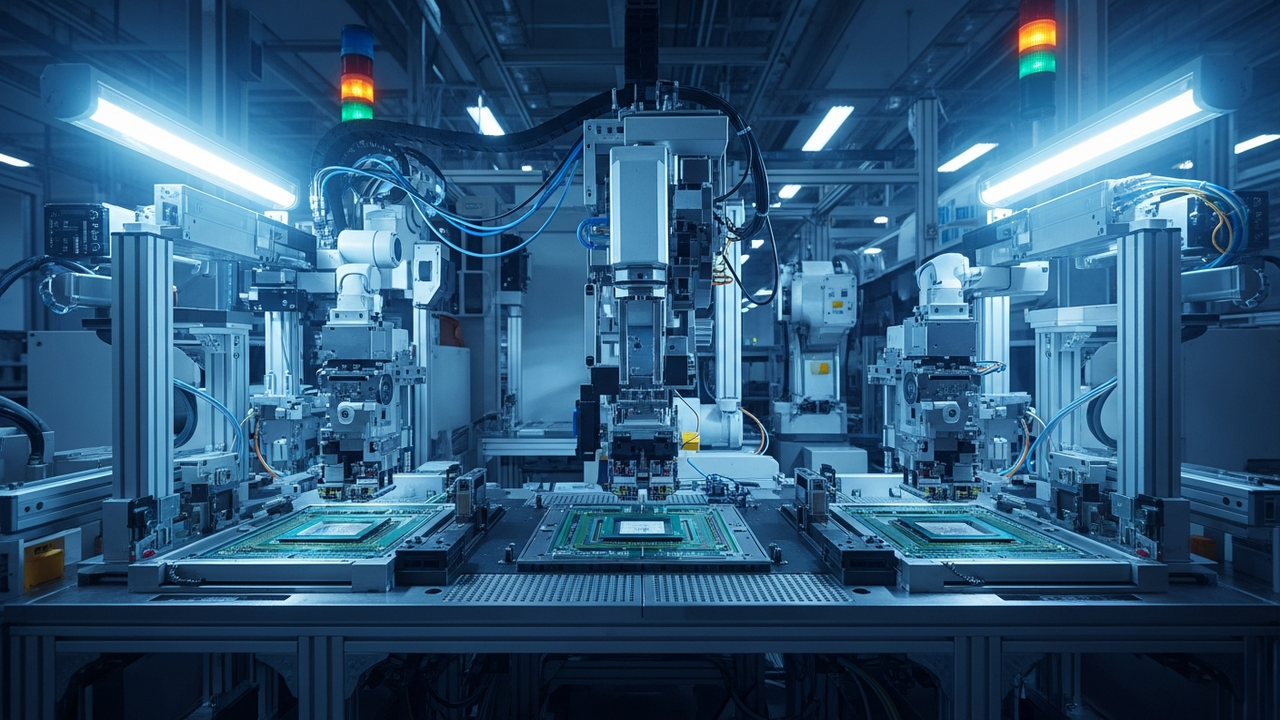
Intel has initiated recruitment for a Senior Module Test Engineer in its state-of-the-art manufacturing facility in Kulim, Malaysia, to lead the design and development of advanced manufacturing test processes. This critical role aims to enhance the efficiency and reliability of semiconductor package manufacturing through supporting post-packaging burn-in, final test, and system test modules.
Technical & Business Details
- Job Focus: The recruited engineer will be deeply involved in improving Capillary Underfill (CUF) modules and applying novel materials. CUF is a material that fills the gaps between solder bumps in flip-chip packages, such as BGA (Ball Grid Array), and is essential for reducing stress caused by Coefficient of Thermal Expansion (CTE) mismatch, thereby enhancing the reliability of solder joints.
- Improving Manufacturing Efficiency: Optimizing CUF processes and new materials directly leads to higher packaging yields, reduced defect rates, and shorter manufacturing cycle times. This enables Intel to meet the growing demand for high-performance semiconductor products and maintain competitiveness.
- Commitment to Advanced Packaging: This recruitment indicates Intel’s aggressive investment in advanced packaging technologies like 3D stacking and heterogeneous integration. These technologies play a central role in integrating multiple dissimilar dies in chiplet-based designs to maximize performance and efficiency.
- Test Process Optimization: Post-packaging testing is the final stage of product quality assurance and reliability, requiring improved test coverage, reduced test time, and enhanced diagnostic capabilities. The hired engineer will accelerate product time-to-market through these optimizations.
Background & Industry Context
The semiconductor industry faces physical limits to Moore’s Law and needs to pursue performance improvements through means other than traditional miniaturization. Advanced packaging technology is one of the primary solutions. In particular, chiplet architecture is considered a promising approach to optimize both performance and manufacturing yield by efficiently integrating chiplets with different functions. The evolution of material technologies like CUF and test technologies forms the foundation supporting this trend.
Strategic Significance & Outlook
The recruitment of a Senior Module Test Engineer in Kulim, Malaysia, is a testament to Intel’s ongoing efforts to build and strengthen a global advanced packaging ecosystem. The improvement of CUF modules and the application of new materials will directly contribute to the stable supply and quality assurance of next-generation products such as high-performance CPUs, GPUs, and AI accelerators. This initiative is a crucial investment for Intel to expand the frontiers of semiconductor technology and meet future computing demands, with significant implications for the entire industry.
Source: https://my.jooble.org/jdp/8299875123171152330
Get our weekly technology intelligence — free
Receive an infographic that lets you judge at a glance whether each field’s analysis report is worth reading.
Subscribe Free — Weekly Tech Intelligence
By subscribing, you’ll receive Troy-Technical’s weekly technology intelligence newsletter.
- Your email and selected fields are used only to deliver the newsletter.
- We never share your information with third parties.
- You can unsubscribe anytime via the link in each email.
See our Privacy Policy for details.
Takes about a minute · Unsubscribe anytime






Comments