Key Findings
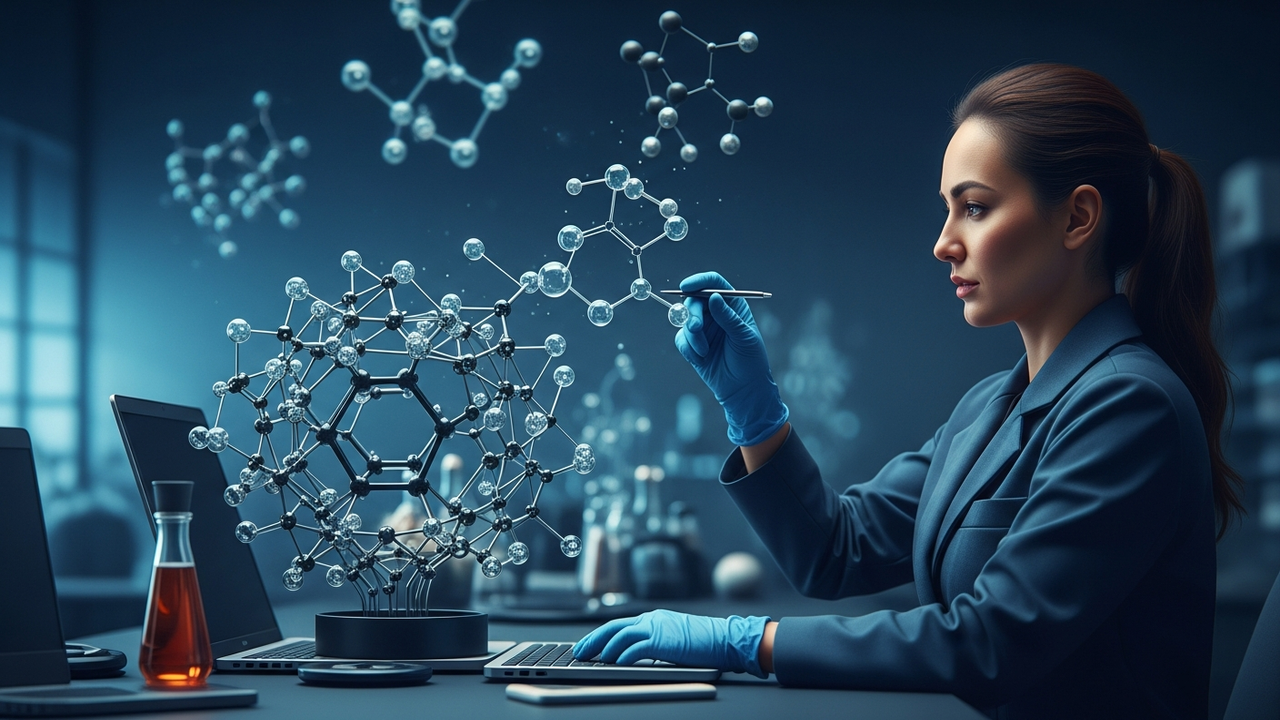
Generative AI marks a pivotal shift in drug design, moving beyond the traditional screening of existing molecules to actively create novel chemical structures. This innovative approach leverages machine learning models to learn patterns from extensive chemical datasets, enabling them to generate new, optimized structures for specific therapeutic goals. The most significant advantage is the ability to rapidly produce a high volume of diverse, chemically valid molecules that are directly optimized for a target’s 3D structure, rather than being confined to pre-existing compound libraries.
Technical / Clinical Details
These models are trained on vast repositories of molecular data, learning the intricate rules of chemical validity and drug-like properties. When tasked with designing a drug for a specific protein target, the generative AI can synthesize entirely new molecular entities designed to bind precisely to that target’s active site. This ‘de novo’ design capability greatly expands the explore-able chemical space, offering unprecedented opportunities to discover first-in-class drugs or optimized versions of existing ones. The models prioritize characteristics like synthetic accessibility and ADMET profiles during generation, leading to candidates with a higher likelihood of success in subsequent development stages. This contrasts sharply with conventional methods that often rely on laborious, iterative modifications of known scaffolds.
Background & Context
Historically, drug discovery has been a costly, time-consuming, and high-risk endeavor, with success rates hovering around 1 in 10,000 compounds. A major bottleneck has been the limited capacity to explore the vastness of chemical space effectively. Generative AI offers a systematic and scalable solution to this challenge, enabling researchers to transcend the boundaries of human intuition and pre-existing knowledge. This paradigm shift is attracting significant investment from pharmaceutical companies and biotech firms, all eager to leverage AI’s potential to shorten development cycles and enhance discovery pipelines. The technology is seen as crucial for addressing unmet medical needs by bringing more tailored and effective treatments to patients faster.
Strategic Significance & Outlook
The rise of generative AI in molecular design is set to redefine the competitive landscape of the pharmaceutical industry. Companies that effectively integrate these technologies into their R&D workflows will likely gain a substantial advantage in accelerating drug discovery and securing intellectual property for novel compounds. Future developments are expected to focus on integrating multi-objective optimization, enabling the simultaneous design for efficacy, safety, and manufacturability. While challenges remain in validation and regulatory approval for AI-generated molecules, the long-term outlook points to generative AI becoming an indispensable tool, driving the next wave of therapeutic innovation across oncology, immunology, and neuroscience.
Get our weekly technology intelligence — free
Receive an infographic that lets you judge at a glance whether each field’s analysis report is worth reading.
Subscribe Free — Weekly Tech Intelligence
By subscribing, you’ll receive Troy-Technical’s weekly technology intelligence newsletter.
- Your email and selected fields are used only to deliver the newsletter.
- We never share your information with third parties.
- You can unsubscribe anytime via the link in each email.
See our Privacy Policy for details.
Takes about a minute · Unsubscribe anytime







Comments