Key Findings
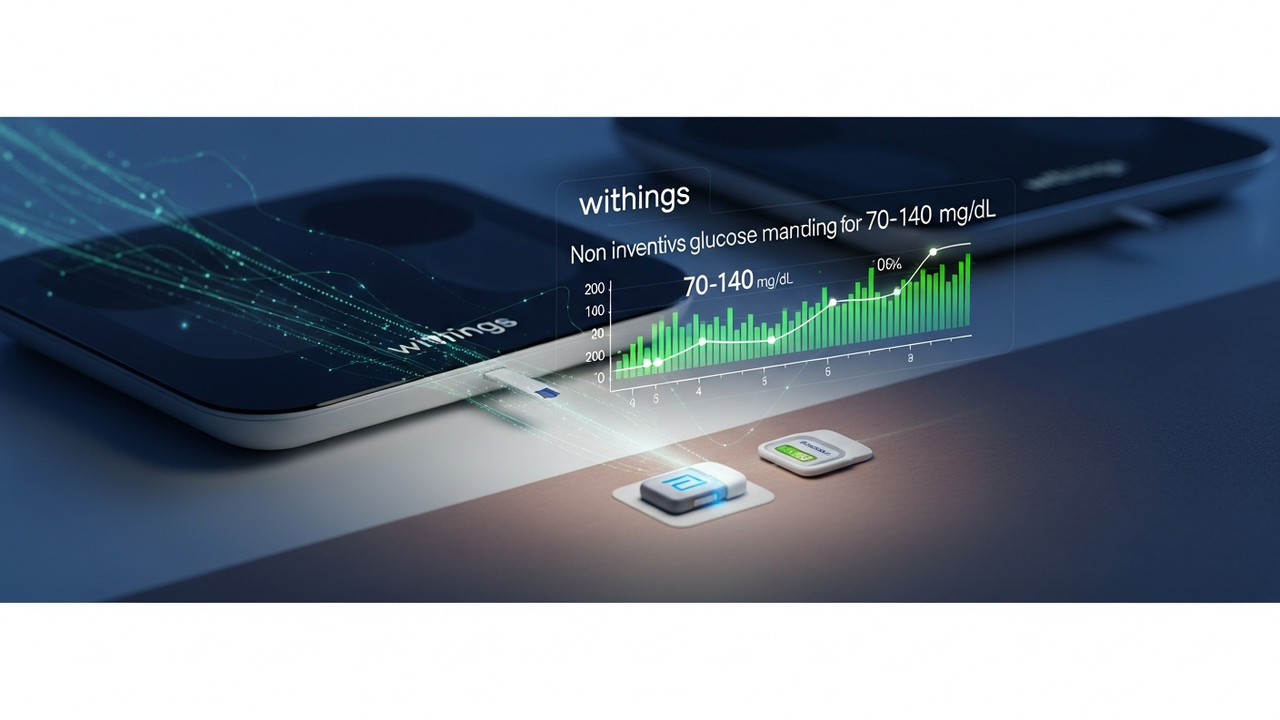
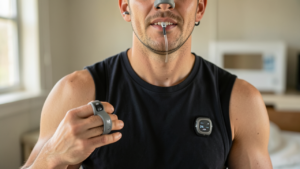
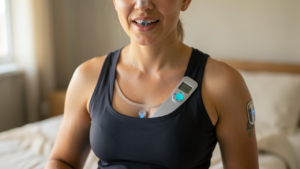
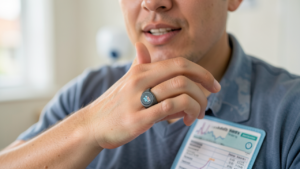
Withings is featuring Abbott’s Lingo, a non-invasive continuous glucose monitor (CGM) biosensor, designed to provide users with real-time glucose data without pain, thereby enabling a comprehensive understanding of metabolic health. Worn on the upper arm, Lingo aims to help users maintain glucose levels within a healthy range of 70-140 mg/dL, contributing to improved fuel management, focus, and cardiovascular health.
Technical and Clinical Details
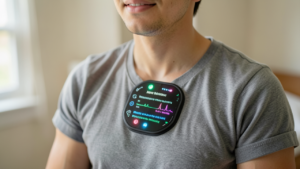
The Lingo biosensor employs proprietary non-invasive technology to measure glucose levels at the skin surface, wirelessly streaming this data to the dedicated Lingo app. Unlike traditional CGMs that require subcutaneous insertion, Lingo eliminates the need for needles, significantly reducing discomfort upon wear. Beyond real-time glucose display, the app analyzes correlations between lifestyle factors such as diet, exercise, sleep, and stress with blood glucose fluctuations, providing personalized insights. For instance, users can visually understand glucose spikes after specific carbohydrate intake or the stabilizing effects of exercise. This empowers users to implement concrete behavioral changes and gain the knowledge and tools necessary for optimal metabolic self-management.
Background and Industry Context
Continuous glucose monitoring is increasingly recognized as a powerful tool not only for individuals with diabetes but also for health-conscious individuals seeking to understand and improve their metabolic health. Abbott’s Lingo, notably, is indicated for over-the-counter (OTC) use (FDA-approved in 2024 according to CNET), expanding access to CGM without requiring medical intervention. The endorsement of Lingo by digital health companies like Withings reflects the broader industry trend of integrating wearable technology and biosensors into mainstream preventive care and health management. Non-invasiveness and ease of use are paramount factors for wider adoption in this sector.
Strategic Significance and Outlook
The proliferation of non-invasive CGM devices like the Lingo biosensor has the potential to profoundly transform health management. In the future, these multi-functional sensors are expected to evolve to non-invasively and simultaneously measure other crucial biomarkers beyond glucose, such as ketone bodies, lactate, and electrolytes. Furthermore, integration with AI is anticipated to provide advanced personalized health predictions and interventions based on individual biometric data, lifestyle, and even genetic information. This evolution will establish powerful tools for individuals to more actively manage their health across a wide range of applications, including diabetes prevention, weight management, and athletic performance enhancement.
Source: https://www.withings.com/en-in/products/lingo
Get our weekly technology intelligence — free
Receive an infographic that lets you judge at a glance whether each field’s analysis report is worth reading.
Subscribe Free — Weekly Tech Intelligence
By subscribing, you’ll receive Troy-Technical’s weekly technology intelligence newsletter.
- Your email and selected fields are used only to deliver the newsletter.
- We never share your information with third parties.
- You can unsubscribe anytime via the link in each email.
See our Privacy Policy for details.
Takes about a minute · Unsubscribe anytime


Comments